Michael Saylor Predicts Stronger Crypto Security After $6.3B Binance Breach
Michael Saylor expects the crypto industry to overhaul security standards following a $6.3 billion hack at Binance, backing the exchange's pledge to tap its balance sheet to make customers whole.
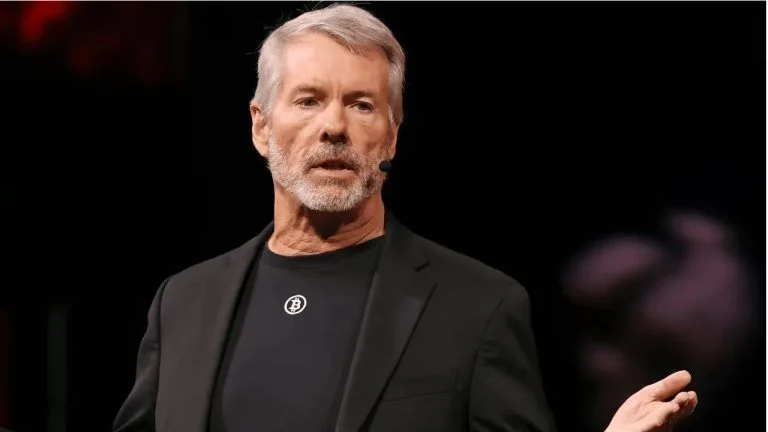
Michael Saylor, executive chairman of Strategy Inc., expects the cryptocurrency industry to significantly tighten its security standards following a reported $6.3 billion hack targeting digital asset exchange Binance. Speaking on Oct. 30, the prominent corporate leader pointed to the massive incident as a pivotal moment for digital asset platforms to confront systemic vulnerabilities. Saylor emphasized that enduring industry growth depends directly on establishing stronger defenses against increasingly complex cybersecurity threats.
In addition to advocating for heightened defenses, Saylor backed Binance's public commitment to utilize its own balance sheet to ensure affected customers are made whole. The pledge provides a critical financial cushion for account holders following the staggering multi-billion-dollar breach. Observers view such corporate commitments as essential for preventing widespread panic and preserving liquidity during major security emergencies.
Saylor indicated that the cryptocurrency sector must extract meaningful operational lessons from the security failures that enabled the exploit. According to coverage by Bitcoin.com News, the Strategy executive framed the episode as a painful but instructive catalyst for fundamental improvements in exchange governance. Rather than signaling irreparable weakness, large-scale challenges often compel technology sectors to overhaul flawed infrastructure, he suggested.
Major security breaches have historically posed existential hurdles for centralized cryptocurrency exchanges, testing both user loyalty and platform solvency. When security perimeters are breached at this magnitude, operators face urgent scrutiny regarding asset storage architecture and internal risk controls. Maintaining continuous operational integrity while investigating technical gaps remains one of the most demanding tasks facing exchange leadership.
Binance's stated plan to absorb losses directly from its corporate reserves highlights the evolving role of treasury management in the cryptocurrency marketplace. In earlier chapters of digital asset history, comparable financial shocks frequently led to insolvency and protracted legal battles for trapped depositors. Demonstrating the capacity to cover billions in losses internally signals a level of institutional scale that was previously rare among digital asset firms.
As the executive chairman of Nasdaq-listed Strategy Inc., Saylor has long served as one of the corporate world's most visible advocates for digital assets. His perspective carries weight among institutional investors who closely track custodial risk and market stability before committing substantial capital. A focus on resilient architecture aligns with the broader push toward integrating cryptocurrency operations into mainstream corporate balance sheets.
The reported $6.3 billion hack is also likely to reshape expectations for third-party auditing, real-time threat monitoring, and operational compliance across rival exchanges. Centralized platforms are under mounting pressure from both institutional clients and regulatory authorities to prove that client deposits are isolated from platform liabilities. Heightened standards across the ecosystem could accelerate the phaseout of outdated custodial models in favor of verifiable security architectures.
Why this matters extends beyond immediate asset recovery to the long-term credibility of digital financial networks. Centralized exchanges process a vast majority of retail and institutional crypto trading volume, making their security perimeters vital to market stability. If major platforms can withstand multi-billion-dollar shocks and implement verifiable reforms, the broader asset class could emerge with greater systemic resilience.
What happens next will depend heavily on the verification of Binance's restitution efforts and the technical adjustments adopted in the hack's aftermath. Market participants and industry analysts will closely track whether the exchange fulfills its balance-sheet guarantees while upgrading its core infrastructure. In Saylor's view, navigating the fallout with transparency and stronger defenses could ultimately solidify trust across the digital finance ecosystem.
Primary source: Bitcoin.com News. Newzly rewrites and structures source reporting for clarity; verify critical details at the original.