Microsoft 'Deeply Sorry' After Global Outage Sparks 24 Hours of Disruption
Microsoft issued an apology after a global outage caused nearly 24 hours of widespread disruption, highlighting deep systemic dependencies on a handful of dominant tech giants.
In this piece
Microsoft has apologized following an extensive global outage that disrupted digital services for nearly 24 hours worldwide. The widespread disruption prompted…
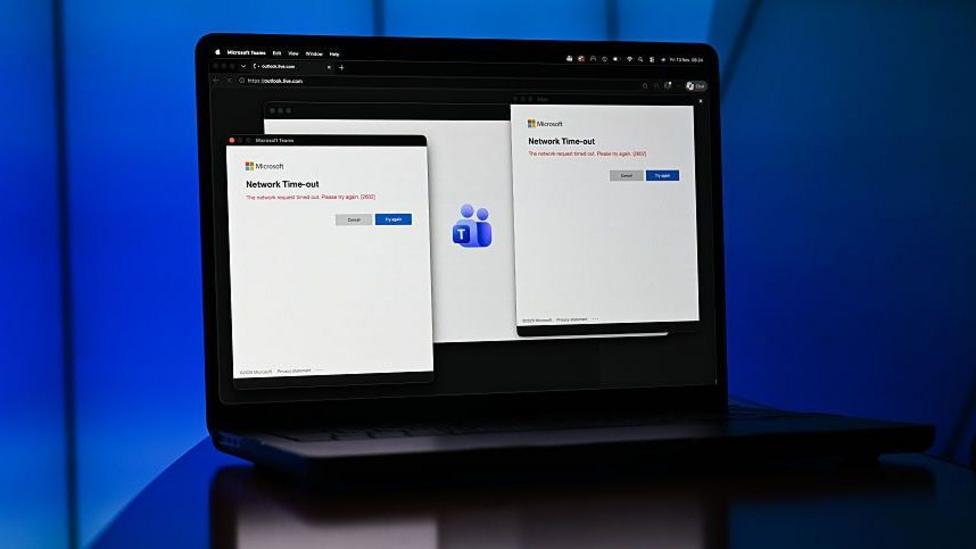
Microsoft has formally apologized, stating it is "deeply sorry" after a major global outage triggered nearly twenty-four hours of widespread technical disruption. The prolonged service breakdown affected organizations, commercial enterprises, and individual users across multiple regions who depend daily on the vendor's cloud ecosystem. Technical teams worked through extended recovery cycles to stabilize operations and mitigate cascading downstream connectivity failures.
Industry analysts and market observers noted that the extensive downtime serves as a "stark reminder" of how heavily modern society relies on a concentrated group of major technology providers. The public expression of regret followed hours of mounting frustration from IT administrators attempting to diagnose intermittent outages. The event quickly intensified discussions surrounding global infrastructure vulnerabilities and vendor accountability.
The technical incident unfolded over almost an entire day, leaving corporate networks facing intermittent access blocks and degraded performance across critical systems. For nearly twenty-four hours, standard digital communications and enterprise workflows experienced significant interruptions as services fluctuated between recovery and instability. Customers struggled to execute regular digital tasks while waiting for vendor engineers to isolate the fault.
The episode brings renewed attention to the structural concentration defining modern enterprise computing. Over the past decade, businesses worldwide have consolidated their operational backbone onto a small roster of hyperscale cloud and software providers. While centralized platforms deliver substantial scale and efficiency, any systemic disruption inherently ripples across thousands of independent entities simultaneously.
Enterprises spanning commerce, public administration, and digital communications maintain deep structural dependencies on these core hosting environments. When an essential provider encounters an unpredicted system failure, downstream clients frequently discover they have few immediate fallback mechanisms available. Such bottlenecks reveal how external technical faults can abruptly paralyze internal operations without warning.
Resilience experts emphasize that single-point-of-failure vulnerabilities remain a persistent risk across complex technical environments. Even with substantial investments in high-availability systems and geographically distributed servers, unforeseen configuration anomalies can overwhelm standard safeguard mechanisms. The incident demonstrates the inherent difficulty of isolating widespread faults once they propagate across shared foundational infrastructure.
Throughout the nearly twenty-four hours of disruption, internal IT departments worldwide were forced to activate contingency plans and manual workarounds. The operational lag generated friction across workplace collaboration, customer service pipelines, and time-sensitive transaction processing. The financial and productivity toll of the disruption underscored the tangible cost of prolonged downtime in mission-critical software.
In the aftermath of the event, corporate clients and industry watchdogs are expected to demand detailed post-incident disclosures outlining the technical timeline and prevention safeguards. Enterprise risk managers will likely review their business continuity frameworks to evaluate whether multicloud architectures or secondary failovers could offer greater protection against future provider-level outages.
As service functionality returns to baseline levels, the disruption reinforces ongoing international conversations regarding digital sovereignty and cloud market diversification. Regulatory bodies and commercial leaders are expected to maintain heightened oversight regarding how foundational technology platforms ensure continuous operational resilience. The long-term impact of the event will likely shape future procurement strategies as organizations seek to insulate themselves from centralized points of failure.
Primary source: BBC Business. Newzly rewrites and structures source reporting for clarity; verify critical details at the original.