Midterm Voters Break Long-Running Republican Control in State Legislatures
Democratic victories in the midterm elections have broken years of Republican dominance in several state legislatures. The power shift clears the path for debates over expanded health care access and new restrictions on private school vouchers.
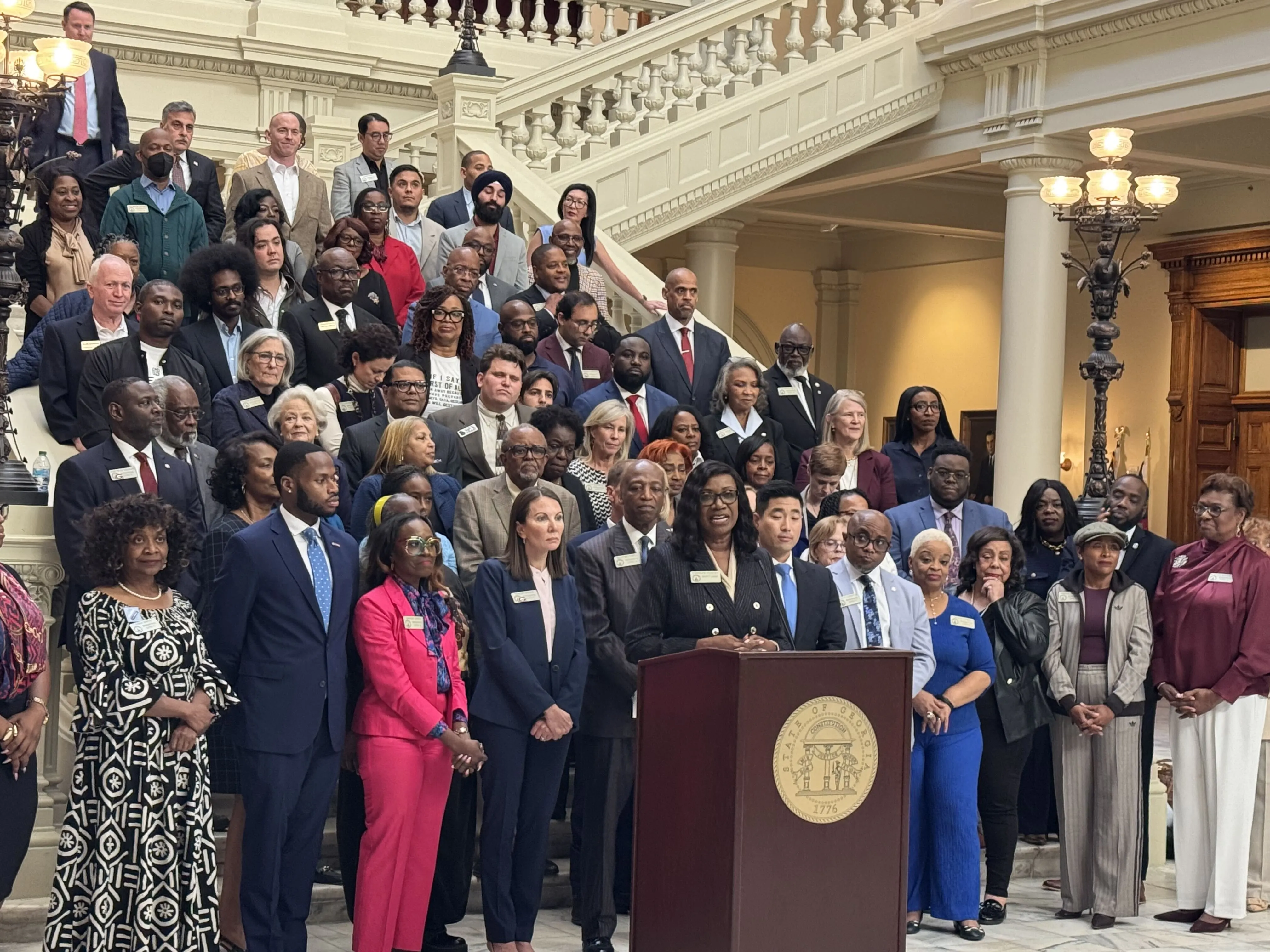
In this piece
Midterm election results have disrupted long-running Republican control across several state legislatures, handing Democrats control of previously divided…
Voters across the country have disrupted a long-running era of Republican dominance in state legislatures following the latest midterm elections. According to reporting from NPR News, Democratic candidates flipped chambers in several previously divided statehouses while eroding established Republican majorities in others. The shifting balances of power mark a notable transition in state-level governance after years of steady conservative control over state capitols.
The shifts in state legislative assemblies carry immediate operational consequences for statehouse leadership and legislative calendars. In chambers where control changed hands, incoming majorities will now oversee committee chairmanships, determine which bills reach the floor, and direct fiscal agendas. Even where Republicans managed to hold their majorities, narrower margins are expected to complicate the passage of party-line initiatives.
For over a decade, Republican lawmakers have maintained an expansive footprint across statehouses nationwide, shaping policy on taxation, education, regulation, and social issues. The recent election results signal a break in that uninterrupted trajectory, giving Democrats renewed influence over statutory debates. The recalibration reflects targeted efforts to contest districts that had previously seen little electoral competition.
Among the primary issues poised to move to the forefront under these altered legislative dynamics is access to health care. Lawmakers aligned with the incoming Democratic majorities have signaled an intent to introduce or expand measures aimed at broadening coverage and lowering out-of-pocket costs. In states where healthcare initiatives previously stalled under conservative leadership, advocates anticipate renewed legislative hearings.
Another major policy front set for intense reconsideration involves school voucher programs and state-funded education savings accounts. Republican-led legislatures had spent recent sessions aggressively expanding voucher access, allowing public funds to cover private school tuition. With Democrats gaining control or substantial leverage, limits on school vouchers and increased scrutiny over private school subsidies are expected to top upcoming legislative agendas.
Beyond education and healthcare, shifting legislative composition often alters the broader balance of power between governors and their legislatures. In states with Democratic governors, winning legislative chambers resolves years of divided government, streamlining executive priorities that had previously faced legislative gridlock. Conversely, where Republican governors remain in office, newly empowered legislative majorities create fresh hurdles for executive appointments and conservative budget packages.
The narrower legislative margins across several states also change internal chamber negotiations, empowering centrist lawmakers and complicating caucus management. Floor leaders who previously governed with comfortable majorities will have less leeway to lose members on contentious votes. Legislative analysts note that tighter legislative tallies often force party leaders to build broader coalitions or moderate their platform proposals.
State legislatures have increasingly become central battlegrounds for national policy debates, with decisions on funding formulas and regulatory frameworks setting precedents nationwide. Observers emphasize that when chamber gavels switch hands, state agencies and judicial bodies often see substantial shifts in statutory mandates and oversight hearings. The new legislative landscape is therefore expected to reverberate across municipal budgets, public school districts, and state health systems.
As newly elected lawmakers prepare to take their oaths of office ahead of the upcoming legislative sessions, transitional teams are beginning to draft preliminary bill packages. While the full extent of the policy turnaround will depend on procedural dynamics and budget constraints in individual capitols, the midterm results have formally closed a decade-long chapter of unchallenged statehouse dominance.
Primary source: NPR News. Newzly rewrites and structures source reporting for clarity; verify critical details at the original.