Minnesota whitefish roe finds demand abroad, MPR News reports
Overseas demand for Minnesota whitefish roe is the focus of an MPR News report that frames the trade as a climate solution, though the supplied excerpt does not explain its environmental benefits.
In this piece
Minnesota whitefish roe is meeting demand abroad, according to an MPR News headline that presents the trade as a climate solution. The supplied material does…
Minnesota whitefish roe is finding demand abroad, according to an MPR News report that presents the trade as a climate solution. The available headline connects a fish product from the state with overseas buyers, but the supplied material does not explain how that commerce delivers an environmental benefit.
The report, titled “Minnesota's climate solution: Whitefish roe satisfies fishy demand abroad,” places international demand at the center of its account. The material provided contains a link to the story rather than the article itself, so it offers no supporting figures, interviews or description of the operation behind the headline.
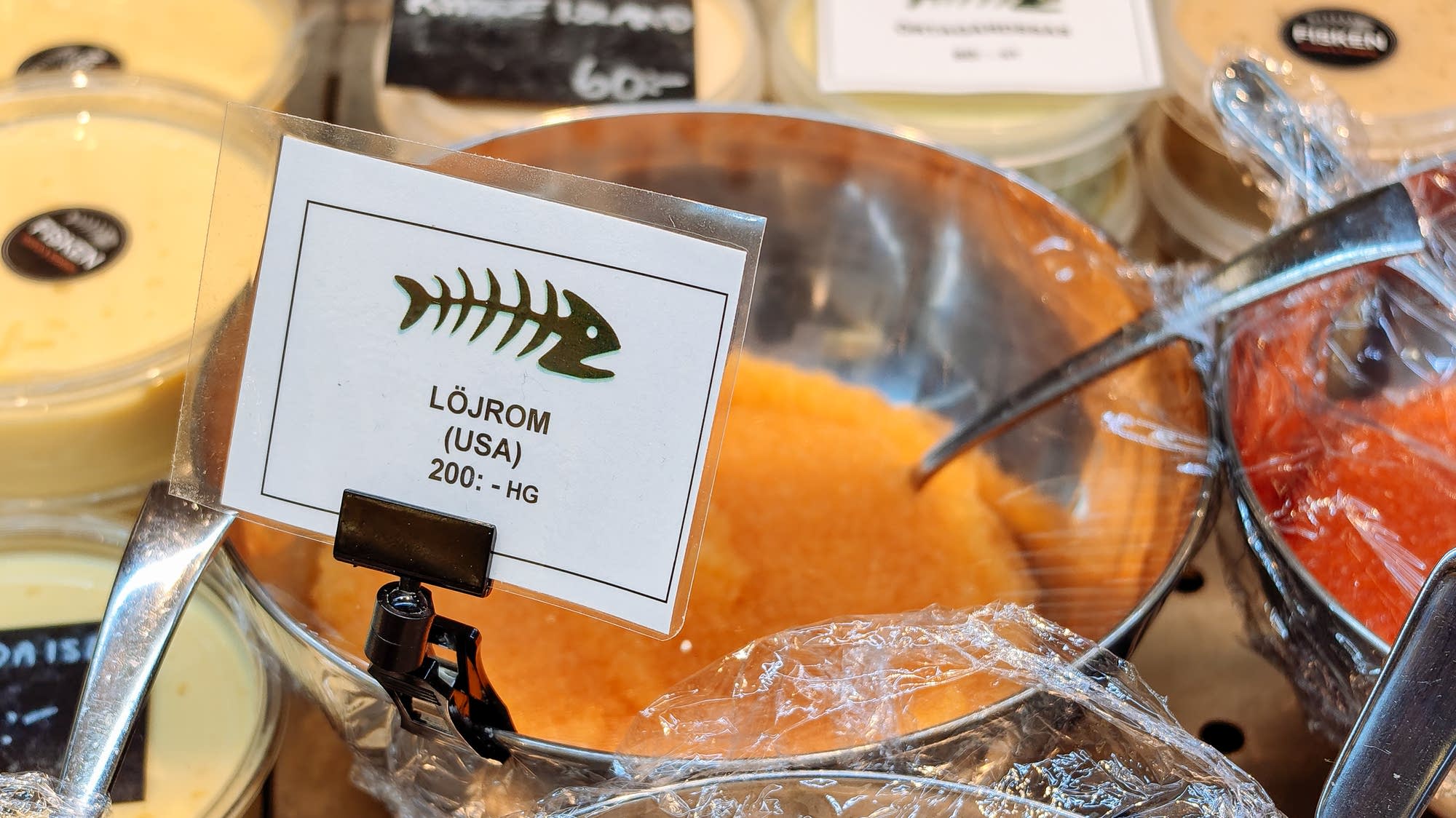
Roe refers to fish eggs, making it a distinct product rather than another name for whitefish meat. That distinction matters when assessing the report's premise: demand for one part of a fish does not, on its own, establish how the whole catch is used or what environmental consequences follow from harvesting it.
The central question is what the report means by a climate solution. The headline does not identify whether the claimed benefit concerns production, processing, the use of an existing catch or a comparison with another food product. Without that explanation, it is not possible to describe a specific mechanism or quantify an emissions benefit.
The overseas market is similarly unspecified in the supplied excerpt. No destination countries, buyers, sales totals or export volumes are identified, and the material does not establish whether demand is growing or simply represents an existing outlet. Those details would be necessary to distinguish a developing commercial opportunity from a long-established trade.
For Minnesota, the subject brings together questions about the value of fish products and the environmental claims attached to food production. A fuller assessment would need to distinguish commercial success from climate performance: evidence that a product attracts buyers would not, by itself, demonstrate that producing and transporting it reduces environmental harm.
The geographic detail also remains limited to Minnesota. The supplied material names no lake, fishing community, county, processor or individual involved in the trade, preventing a more local account of who participates or benefits. It also provides no information about harvest practices or the condition of the fish population supporting the business.
MPR News' headline therefore identifies a Minnesota export story with a climate-related premise, rather than supplying enough evidence here to evaluate that premise independently. The next step in understanding its significance is the underlying reporting: specifically, how the roe reaches overseas markets and what evidence supports describing that trade as a climate solution.
Primary source: Google News Minnesota. Newzly rewrites and structures source reporting for clarity; verify critical details at the original.