Missouri Turns Federal Gambling Law on Novig as Polymarket Sues State AG
Missouri has invoked a 2006 federal anti-gambling statute against prediction platform Novig, as Polymarket U.S. simultaneously sued state officials in a high-stakes battle over sports-themed event contracts.
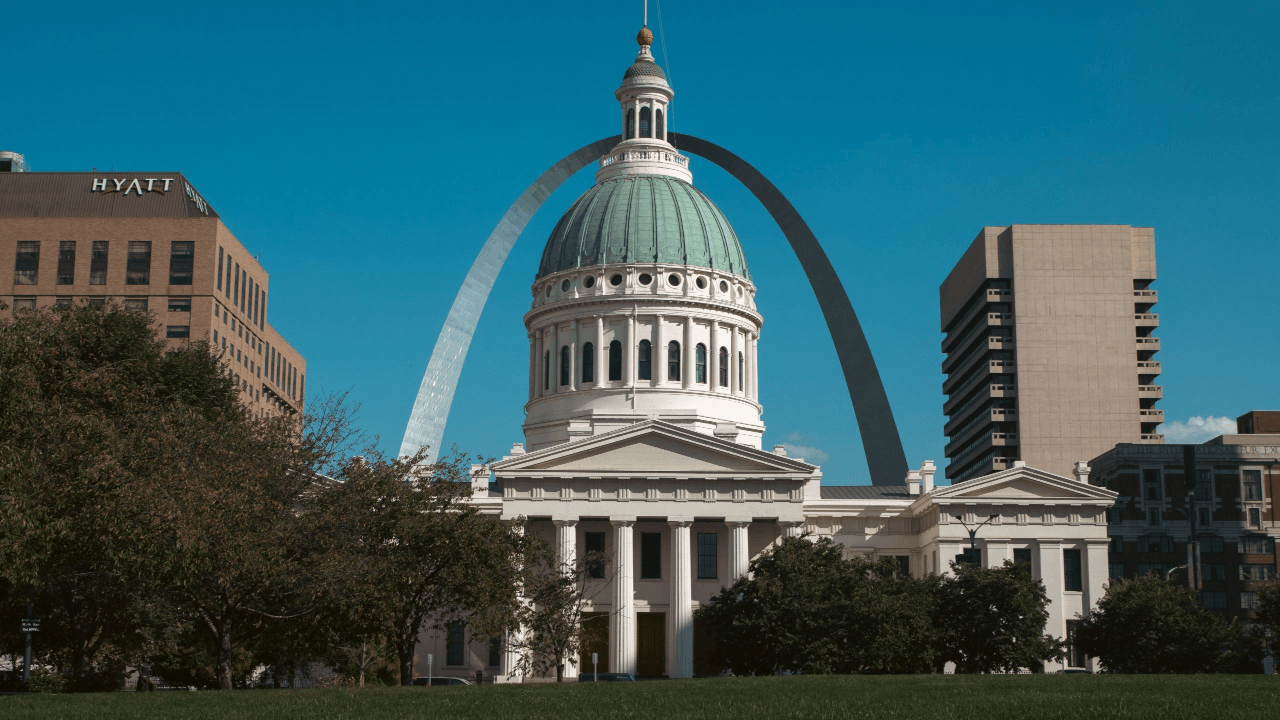
Missouri Attorney General Catherine Hanaway has asked a federal court in St. Louis to bar sports-centric prediction market platform Novig from processing financial transactions for state residents under a 2006 federal anti-gambling statute. The move came on the same day Polymarket U.S. filed its own lawsuit against the state's top legal officer to halt an escalating crackdown on event-contract trading platforms. Both legal maneuvers landed in the U.S. District Court for the Eastern District of Missouri, intensifying a high-stakes clash between state gambling regulators and digital trading operators.
In its counterclaims against Novig, the attorney general's office invoked the federal Unlawful Internet Gambling Enforcement Act alongside the Missouri Merchandising Practices Act. The state argued that Novig operates an unlicensed sports gambling business that unlawfully accepts payments, deposits, and financial instruments connected to sporting event outcomes. By deploying federal anti-gambling statutes rather than relying solely on state-level rules, Missouri authorities are seeking a definitive court order to cut off the platform's financial conduits within the state.
Simultaneously, Polymarket U.S. launched an affirmative challenge against Hanaway and state gaming officials, seeking declaratory and injunctive relief to protect its operations. The company contends that its event contracts represent federally regulated financial derivatives that lie well outside the reach of Missouri's gambling enforcers. Polymarket argued that the state's enforcement threats violate the Commerce Clause of the U.S. Constitution and intrude upon regulatory territory reserved exclusively for federal agencies.
The dual court filings follow a sweeping enforcement sweep initiated in September, when the Missouri Attorney General's office issued formal cease-and-desist directives to six prediction market platforms. Regulators targeted operators including Novig, Polymarket, Kalshi, Robinhood, Crypto.com, and Underdog, ordering them to stop offering sports-tied contracts to Missouri residents. State officials warned that continued operations without a valid sports wagering license would trigger formal enforcement actions and financial penalties.
At the heart of the state's legal offensive is Missouri's recently voter-approved legal sports betting framework, which established clear statutory boundaries for sports wagers. Regulators insist that prediction platforms are offering functionally identical products to traditional sportsbooks while bypassing mandatory state licensing, player protection rules, and strict age verifications requiring participants to be at least 21 years old. Furthermore, the state argued that allowing unregulated event contracts deprives public coffers of the statutory 10 percent tax levied on gross sports wagering receipts.
Prediction market operators have strongly rejected the gambling classification, countering that their platforms offer binary financial contracts governed by federal commodities legislation. The companies maintain that the Commodity Exchange Act grants exclusive oversight of exchange-traded derivatives and event contracts to the Commodity Futures Trading Commission. Under this framework, platforms contend that state attorneys general lack the legal authority to impose local gaming restrictions or licensing requirements onto federally authorized derivatives markets.
The collision in St. Louis mirrors a growing national conflict as prediction markets rapidly expand their footprints into political and athletic event trading. State gaming regulators across the country have expressed growing alarm that binary contracts mimic conventional betting markets without adhering to localized responsible gaming frameworks. The dispute has effectively created a jurisdictional tug-of-war between traditional state-level gaming oversight and modern fintech platforms operating across state lines.
Legal observers note that the Missouri proceedings could serve as a pivotal testing ground for the limits of federal preemption in the burgeoning event-contract sector. If federal judges validate the state's deployment of the Unlawful Internet Gambling Enforcement Act against prediction markets, state officials nationwide could gain a powerful blueprint to restrict unlicensed platforms. Conversely, a ruling upholding federal preemption would shield trading platforms from state gaming oversight and reshape the legal landscape for online wagering.
The U.S. District Court in St. Louis is expected to hear arguments on preliminary injunction requests in the coming weeks as both sides seek immediate clarity. With Novig, Polymarket, and other operators pressing forward, the proceedings are positioned to deliver one of the first major judicial interpretations addressing whether sports-focused prediction contracts constitute illegal gambling or protected federal derivatives.
Primary source: Bitcoin.com News. Newzly rewrites and structures source reporting for clarity; verify critical details at the original.