Mistborn Tabletop RPG Takes a Generations-Spanning Approach
Polygon’s impressions highlight an ambitious Mistborn tabletop role-playing campaign that unfolds across generations, presenting that scope as an answer to a challenge facing games adapted from established fictional worlds.
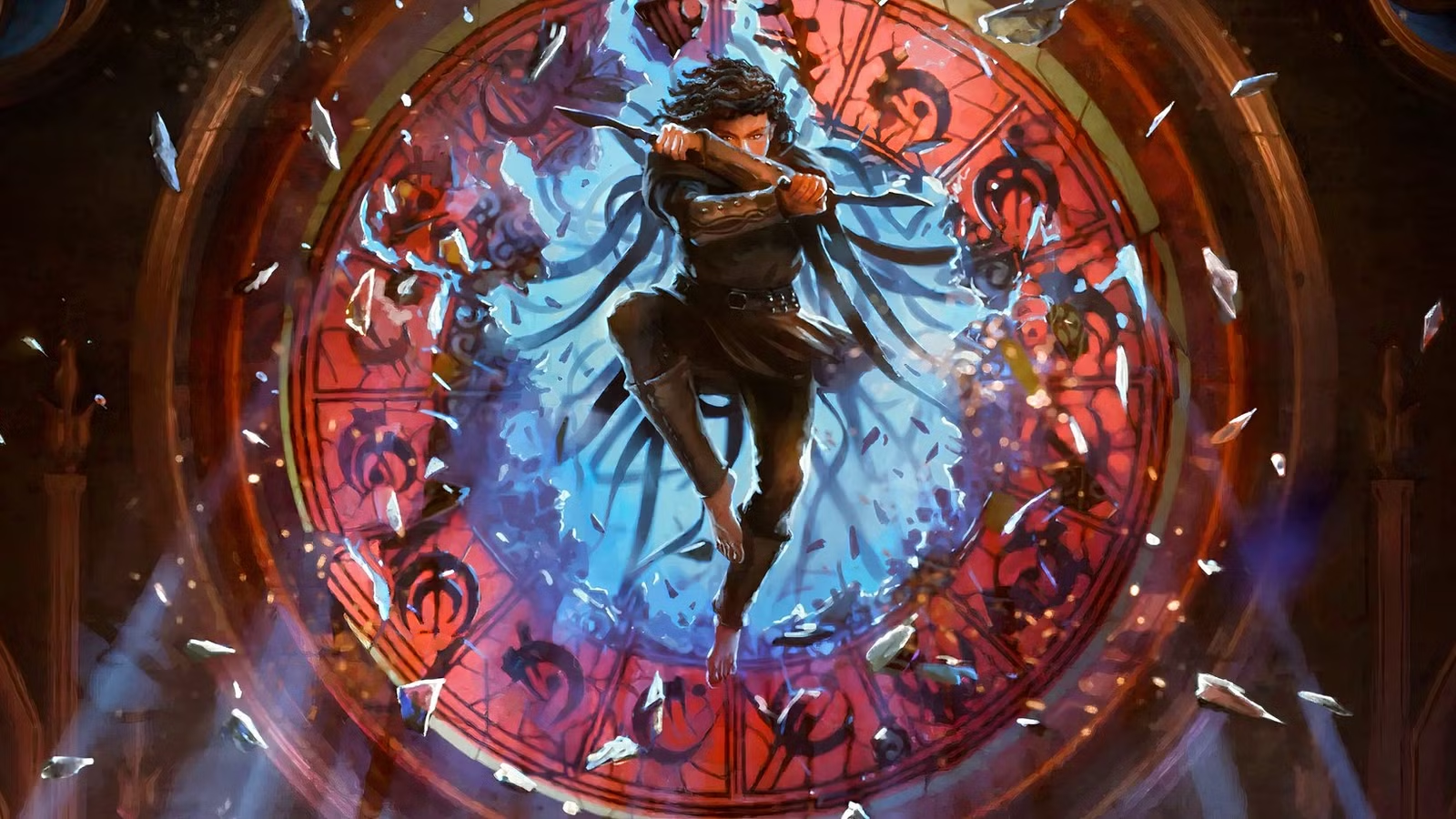
In this piece
A Mistborn tabletop role-playing campaign spans generations, according to Polygon’s impressions. The publication frames that ambitious structure as a solution…
A tabletop role-playing game based on Brandon Sanderson’s Mistborn puts a generations-spanning campaign at the center of its ambitions, according to Polygon’s impressions. The publication presents that approach as a solution to what its headline calls the biggest problem with licensed games: a strong endorsement of the adaptation’s underlying concept.
The central detail in the supplied preview is its timescale. Rather than describing only an individual adventure, Polygon characterizes the campaign as unfolding across generations. That establishes the breadth of its premise, although the excerpt does not explain how the game handles the passage of time or transitions between generations.
That distinction matters when assessing the coverage. Polygon’s headline offers an editorial judgment about the game’s success, while the accompanying description identifies the feature behind that judgment. The material provided supports reporting that the publication is enthusiastic about the campaign’s ambition, but not a detailed assessment of its rules or execution.
The broader design question is how a licensed role-playing game gives participants meaningful ownership of a story. An established fictional setting supplies an identity that players may already recognize. The creative challenge is making that familiarity a starting point for their decisions rather than a boundary that leaves them merely observing someone else’s narrative.
A campaign measured in generations offers a potential way to approach that tension. As a storytelling concept, it invites attention to what lasts beyond any one character: decisions, consequences and the world inherited by those who follow. Those are implications of the premise, however, rather than confirmed descriptions of specific Mistborn game mechanics.
The appeal also comes with questions that a short description cannot resolve. A long narrative timescale does not, by itself, establish how much freedom participants have or how the campaign maintains continuity. Understanding those elements would require the fuller account of play, rather than treating the campaign’s stated ambition as proof of every aspect of its design.
For readers considering the adaptation, the clearest takeaway is therefore its focus on generational scope. Polygon’s framing suggests that this is more than a background detail in its assessment: it is central to why the publication finds the project noteworthy. The supplied excerpt does not include examples of play that would allow that assessment to be independently examined.
What remains to be established is how the generations-spanning premise works at the table. The supplied material provides no release information, rules explanation or practical account of running the campaign. For now, Polygon’s impressions identify an ambitious direction for the Mistborn adaptation, with its execution requiring a fuller look than the brief excerpt allows.
Primary source: Polygon. Newzly rewrites and structures source reporting for clarity; verify critical details at the original.