Modi questions companies over wages and jobs after tax relief
Prime Minister Narendra Modi questioned whether companies had translated tax relief into higher wages and more jobs, according to Divya Bhaskar, putting corporate contributions to employment and household incomes under scrutiny.
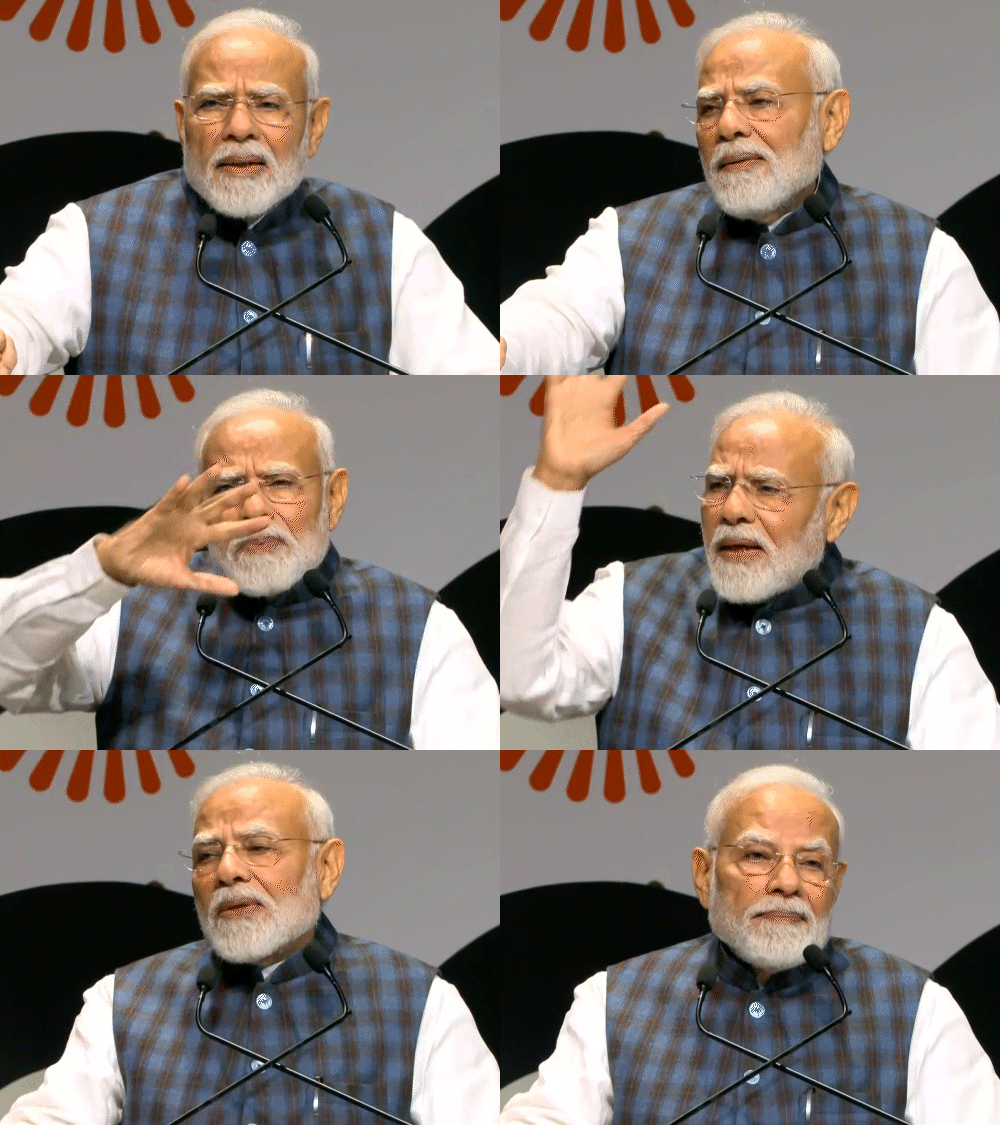
In this piece
Modi challenged companies over their response to tax concessions, asking what they had delivered on wages and employment, according to a Divya Bhaskar headline.…
Prime Minister Narendra Modi questioned companies over whether tax relief had led them to raise salaries or create jobs, according to a headline published by Divya Bhaskar. The report’s headline presented his remarks as a challenge to businesses to explain what they had delivered in return for government concessions.
The Gujarati-language headline attributed a blunt criticism to Modi: companies had received tax relief but had neither increased pay nor provided jobs. It also conveyed his dissatisfaction through a metaphor suggesting that businesses remained unsatisfied regardless of how much they received, although the accompanying article text was not supplied.
The remarks, as presented by the publication, put the relationship between corporate benefits and worker outcomes at the centre of the criticism. Rather than focusing only on what companies receive from the government, the headline framed the issue around whether those benefits reach employees and people seeking work.
Tax relief can give businesses greater room to make spending decisions, but it does not by itself establish how that money will be used. Higher wages and additional hiring are possible outcomes; assessing whether either occurred requires information about the measures involved, the businesses affected and the period being examined.
Those details are absent from the supplied material, which contains a headline but no article body or supporting figures. It therefore does not establish whether Modi was referring to a particular tax decision, a defined group of companies or a broader pattern of corporate behaviour, and it provides no basis for measuring the employment or wage outcomes described.
The distinction matters because a political criticism and an assessment of company performance are not the same thing. The headline establishes how Divya Bhaskar characterised Modi’s message, but it does not independently demonstrate that companies across the economy failed to increase salaries or add jobs after receiving tax relief.
For workers and jobseekers, the issue raised is whether policies benefiting businesses also improve opportunities and incomes. For companies, the criticism places attention on how they explain the use of financial benefits, though the supplied material includes no corporate response and identifies no individual business as the target of Modi’s remarks.
A fuller assessment would require the complete remarks, details of the tax concessions under discussion and evidence on subsequent hiring and pay decisions. Until that context is available, the report supports a narrower conclusion: Modi was portrayed as pressing companies to account for their contribution to wages and employment after receiving tax relief, rather than announcing a new policy.
Primary source: Divya Bhaskar National. Newzly rewrites and structures source reporting for clarity; verify critical details at the original.