Mohammed Siraj Playing XI Exclusion Triggers Political Clash Between Congress and BJP
A political dispute erupted after a Congress lawmaker claimed pacer Mohammed Siraj was omitted from India's Test lineup due to his name, drawing sharp condemnation from the BJP and surprising cricket commentators.
In this piece
The exclusion of fast bowler Mohammed Siraj from India's playing XI against New Zealand sparked a political exchange between Congress and the BJP. While…
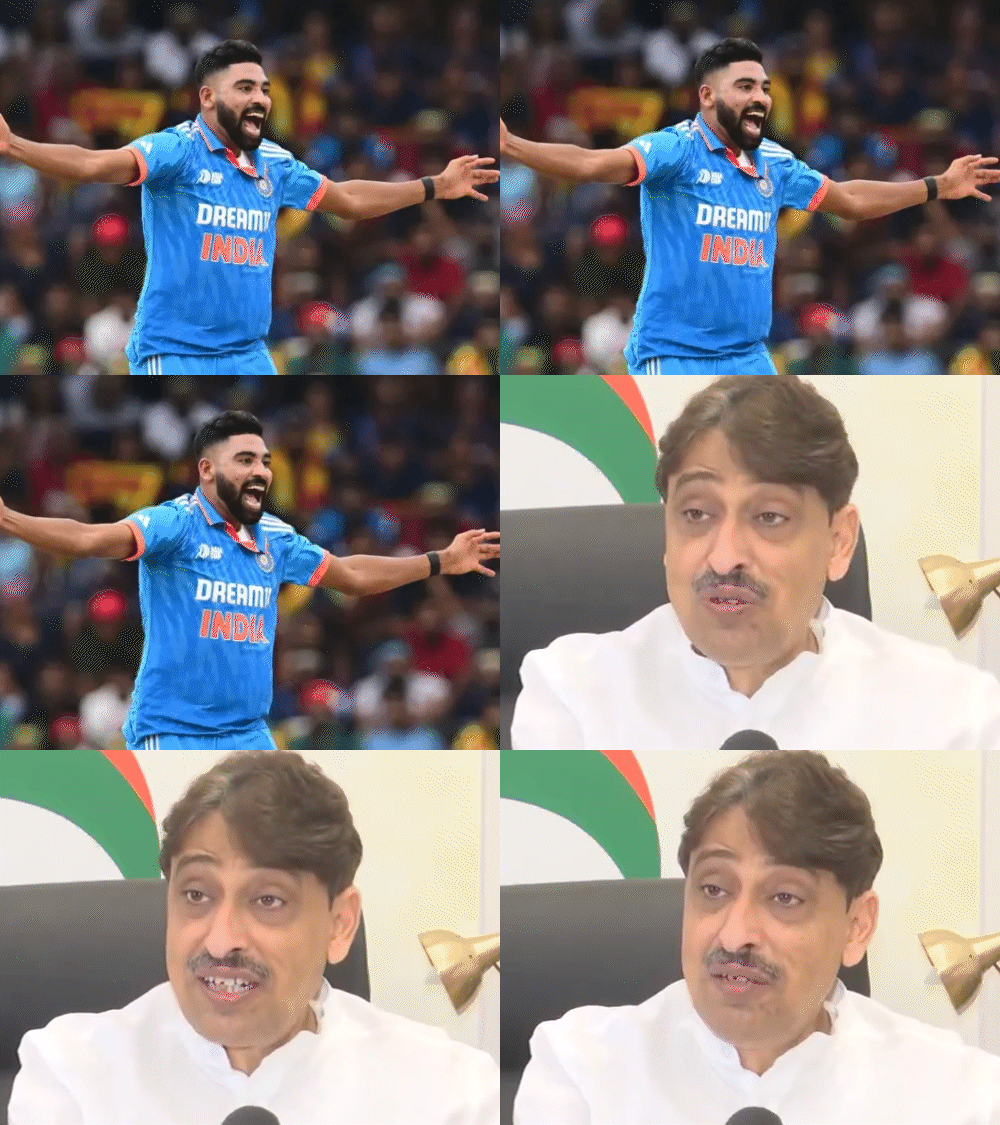
A sharp political controversy erupted over the selection of the Indian cricket team after Congress Member of Parliament Imran Masood questioned the exclusion of fast bowler Mohammed Siraj from the playing eleven against New Zealand. Masood alleged that Siraj was omitted from the squad because of his religious identity and name, igniting intense debate across sporting and political circles.
The Bharatiya Janata Party swiftly countered Masood's remarks, accusing the opposition of attempting to communalize cricket and fracture national unity. BJP leaders stated that sports selections in India are conducted purely on merit, performance, and pitch conditions, urging political parties to refrain from dividing athletes along communal lines.
The political dispute followed surprise voiced by prominent cricketing voices regarding the tactical decision to bench Siraj. Former Indian captains and veteran commentators Sunil Gavaskar and Ravi Shastri had both noted during broadcast discussions that omitting the seasoned fast bowler from the lineup was unexpected given his recent contributions.
The selection dilemma arose during India's Test series against New Zealand, where team management opted for tactical adjustments based on local surface conditions. With spin bowling anticipated to play a dominant role on turning tracks, the team management rotated seamers and introduced alternative bowling combinations to exploit ground conditions.
Siraj has served as a cornerstone of India's multi-format bowling attack over recent years, delivering standout match-winning spells both at home and overseas. His consistent pace, discipline, and energy with the new ball have made him a regular feature in the national red-ball lineup, making any omission a point of public discussion.
In his public statements, Masood contended that Siraj had performed admirably and that dropping him raised uncomfortable questions about fairness in selection. The parliamentarian insisted that public representatives have a duty to highlight what he characterized as discriminatory decisions, despite team officials maintaining that tactical rotation drove the roster choices.
Rebutting the allegations, BJP representatives described the opposition's claims as irresponsible and damaging to the integrity of Indian athletics. Ruling party spokespersons emphasized that Indian cricketers represent the tricolor regardless of faith or background, warning that injecting identity politics into the locker room undermines team morale.
The exchange reflects an increasing tendency for mainstream sporting decisions to become flashpoints for broader ideological debates in India. Cricket selections, captaincy changes, and player omissions have frequently drawn commentary from political leaders looking to influence public sentiment through the country's most closely watched sport.
Cricket analysts and team officials reiterated that modern sports science, relentless scheduling, and pitch assessments dictate frequent squad rotations. With extensive international tours and workload management protocols in place, resting premier fast bowlers remains standard operating procedure across contemporary international cricket.
As the series progresses, the Indian team management is expected to keep its focus firmly on on-field performance and qualification scenarios for the World Test Championship. Observers noted that while political rhetoric may persist in public forums, on-field strategy and player rotations will continue to be governed strictly by team requirements and coaching staff evaluations.
Primary source: Divya Bhaskar National. Newzly rewrites and structures source reporting for clarity; verify critical details at the original.