world·Delhi·New Delhi District
Monsoon Session Crosses 100 Days Without Prorogation, Breaking 2008 Record
India’s Monsoon Session has remained unprorogued for more than 100 days, breaking the previous 87-day record amid political speculation over a potential special sitting on a delimitation bill.
In this piece
Parliament's Monsoon Session has reached an unprecedented milestone, remaining formally unprorogued more than 100 days after being adjourned sine die. The delay…
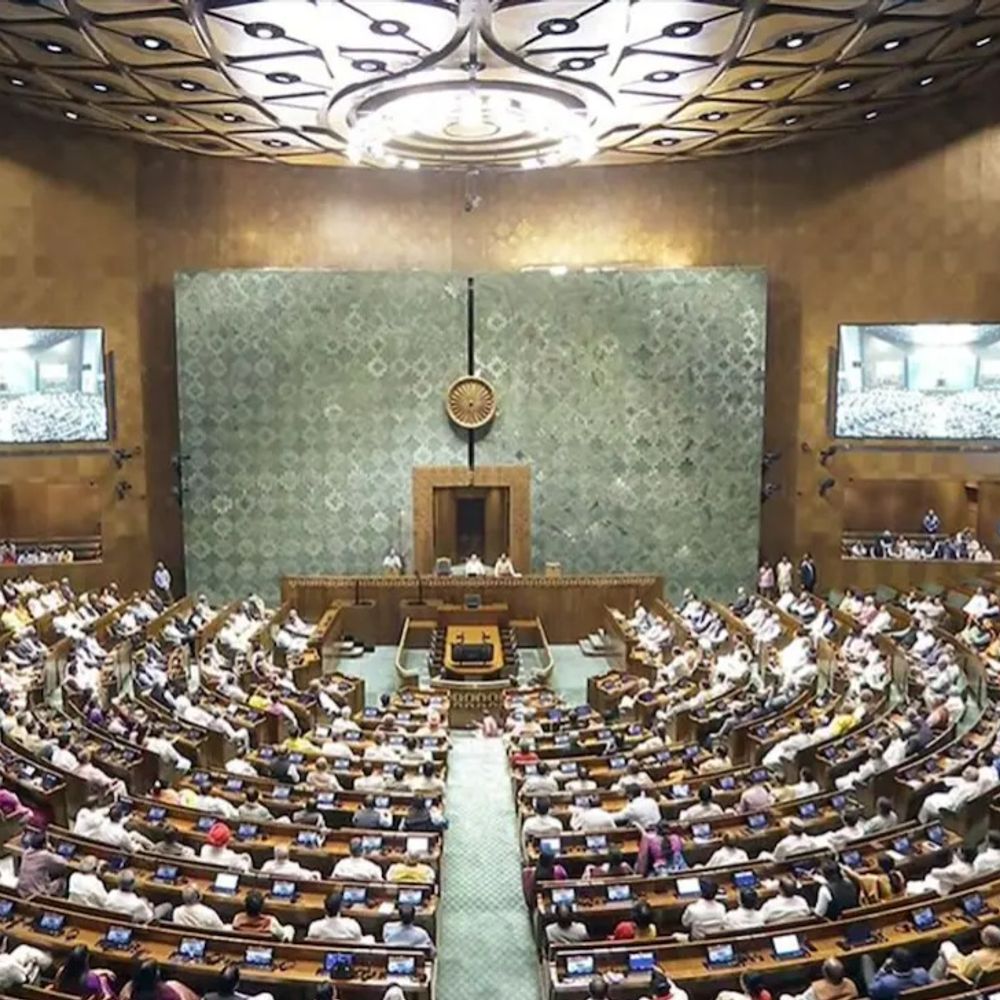
India's Parliament has set an unusual constitutional record as the Monsoon Session remained officially unprorogued more than 100 days after sittings were adjourned sine die. The extended gap without formal closure has surpassed the previous historic record of 87 days established in 2008, bringing renewed focus to the procedural timeline of parliamentary proceedings.
While the presiding officers of both the Lok Sabha and the Rajya Sabha adjourned their respective chambers sine die in mid-August, the President has not yet issued the formal notification to prorogue the session. In Indian parliamentary procedure, an adjournment sine die terminates daily sittings indefinitely, whereas prorogation formally terminates the entire session under presidential orders.
By maintaining the session in an unprorogued state, the Union government retains the technical flexibility to reconvene lawmakers on short notice without needing to issue a fresh presidential summons. This procedural mechanism avoids the constitutional protocol required to initiate an entirely new session, permitting pending legislative work or emergency sittings to resume immediately.
The prolonged delay has intensified political debate in New Delhi regarding the government's legislative intentions, with speculation centering on a potential special sitting. Media reports and political observers have linked the unprorogued status to possible deliberations on a delimitation bill, an issue intertwined with the implementation framework of women's reservation in legislative bodies.
Discussions surrounding delimitation involve constitutional adjustments to parliamentary constituency boundaries based on demographic shifts. Reports suggest that any forthcoming legislative package could examine expanding the total strength of the Lok Sabha beyond its current 543 seats, potentially reaching up to 850 seats under comprehensive boundary revisions.
Enacting significant boundary revisions alongside electoral quotas requires constitutional amendments that necessitate a two-thirds majority in both houses of Parliament. Analysts note that advancing such structural reforms demands careful legislative arithmetic, which may explain why authorities are keeping procedural pathways accessible while building parliamentary consensus.
Opposition parties have voiced sharp criticism over the continued absence of a prorogation order, demanding transparency regarding the administration's parliamentary calendar. Senior Congress leaders, including Jairam Ramesh, have publicly questioned the prolonged procedural limbo, arguing that major constitutional moves such as delimitation must not be introduced abruptly without prior consultation.
Opposition figures have emphasized that redrawing electoral boundaries carries profound implications for federal representation, particularly between northern and southern states. As a result, non-government blocs are urging the Centre to convene an all-party meeting before presenting any formal legislation related to constituency restructuring to lawmakers.
The current 100-day duration comfortably exceeds the previous benchmark set in 2008, when the Monsoon Session remained unprorogued for 87 days before concluding. During that period, the government similarly utilized procedural spacing to navigate critical legislative business and parliamentary trust votes, demonstrating how technical mechanisms have historically been deployed during delicate political junctures.
With the calendar advancing toward the traditional Winter Session timeframe, the government will soon need to clarify its operational strategy. Whether officials decide to formally reconvene the extended Monsoon Session for targeted legislation or finally advise the President to prorogue Parliament ahead of a conventional winter sitting remains the critical question confronting both the treasury and opposition benches.
Primary source: Divya Bhaskar National. Newzly rewrites and structures source reporting for clarity; verify critical details at the original.