Moscow Exchange Confirms Dec. 1 Crypto Trading Launch With Bitcoin, Ether, and USDT
Russia’s Moscow Exchange announced it will begin cryptocurrency trading on Dec. 1, launching an organized market for bitcoin, ether, and USDT accompanied by dedicated infrastructure and investor restrictions.
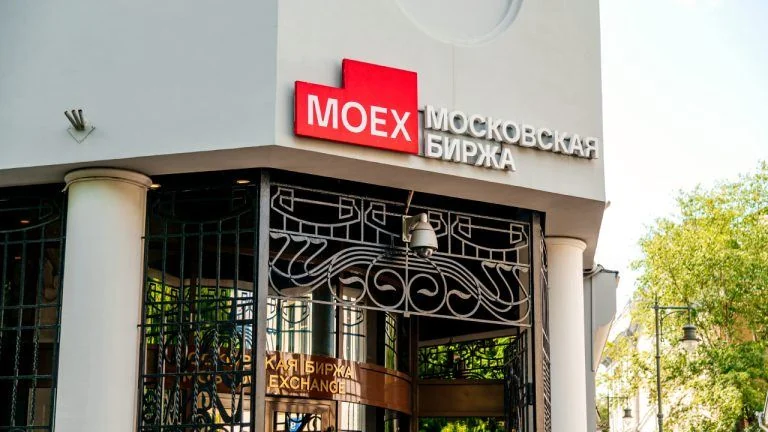
Russia’s Moscow Exchange has confirmed that it will launch cryptocurrency trading on Dec. 1, introducing access to major digital assets through what it characterizes as the country’s first organized digital currency market. The plan, outlined in a Nov. 2 announcement by the exchange, marks a significant shift in domestic financial market infrastructure by establishing a regulated platform for crypto transactions. Under the initial rollout, market participants will be able to trade bitcoin, ether, and the tether stablecoin, USDT.
According to the exchange's announcement, the upcoming rollout will establish a formalized trading framework that includes dedicated infrastructure, specialized settlement options, and specific investor restrictions. The initiative represents an effort to bring digital asset transactions onto a centralized, institutional trading venue rather than relying on decentralized or offshore services. By incorporating digital currencies directly into its market systems, the exchange aims to provide an orderly mechanism for handling virtual assets.
The introduction of trading for bitcoin, ether, and USDT focuses on the three largest and most widely circulated digital tokens in the global market. Bitcoin and ether have long served as the primary benchmarks for decentralized digital assets, while USDT functions as a fiat-pegged stablecoin heavily utilized for liquidity and settlement. By concentrating initial activity on these established tokens, the platform targets the core liquidity pools that drive modern cryptocurrency trading.
Trading infrastructure and settlement mechanics formed a central element of the platform’s Nov. 2 disclosure. Bringing digital tokens onto a traditional exchange architecture typically requires specialized custody arrangements, trade clearing processes, and safeguards designed to mitigate the volatility inherent in virtual currency markets. The Moscow Exchange indicated that its framework will integrate distinct settlement options tailored to bridge conventional market operations with digital assets.
The planned rollout also comes with specific investor restrictions, highlighting a controlled approach to market entry. Formalized digital currency markets frequently establish tiered access parameters, limiting complex or high-risk instruments to qualified institutions or experienced market participants. While the full operational parameters continue to develop ahead of the launch, the inclusion of eligibility criteria reflects an ongoing regulatory emphasis on risk mitigation and investor safeguards.
The establishment of an organized domestic market reflects evolving attitudes toward cryptocurrency operations within national financial systems. For years, financial authorities and central institutions in various jurisdictions have weighed the risks of capital volatility against the reality of widespread digital asset adoption. Creating a domestic, exchange-managed channel allows authorities to maintain visibility over transaction flows and enforce compliance standards that offshore venues often circumvent.
Market analysts note that integrating major cryptocurrencies into a national exchange framework addresses a persistent domestic demand for accessible digital asset exposure. By providing an onshore alternative to foreign exchanges and peer-to-peer channels, an institutional platform can offer greater operational transparency and legal certainty. However, the success of such an initiative relies heavily on market liquidity, counterparty trust, and how smoothly the settlement processes perform under real-world conditions.
The presence of USDT alongside bitcoin and ether underscores the growing importance of stablecoins in facilitating cross-asset settlement and liquidity management. Stablecoins provide traders with a relatively stable store of value to enter and exit volatile positions without necessarily converting back into fiat currency immediately. The exchange’s accommodation of stablecoin settlement indicates a recognition of standard crypto market dynamics within its planned trading environment.
With the Dec. 1 launch date approaching, financial institutions and potential market participants are awaiting further guidance regarding platform onboarding, interface integration, and technical specifications. The implementation of clear custody protocols and user safeguards will be critical factors as the exchange finalizes its operational framework. Observers will be monitoring how market participants respond to the new venue and whether trading volumes align with institutional expectations once doors open.
As the launch date nears, attention will focus on how effectively the Moscow Exchange executes its infrastructure plans and navigates the accompanying investor rules. If the rollout proceeds according to the Nov. 2 announcement, it could establish a blueprint for how organized national bourses incorporate digital assets under tight oversight. For now, the exchange's Dec. 1 debut stands as a closely watched development for the domestic financial sector and the broader digital asset landscape.
Primary source: Bitcoin.com News. Newzly rewrites and structures source reporting for clarity; verify critical details at the original.