MSF warns of Ebola response failures as Congo aid funds face scrutiny
Unpaid staff, inadequate training and supply shortages are undermining Congo’s Ebola response, MSF warns, as authorities seek financial reporting on hundreds of millions of dollars provided to aid organisations.
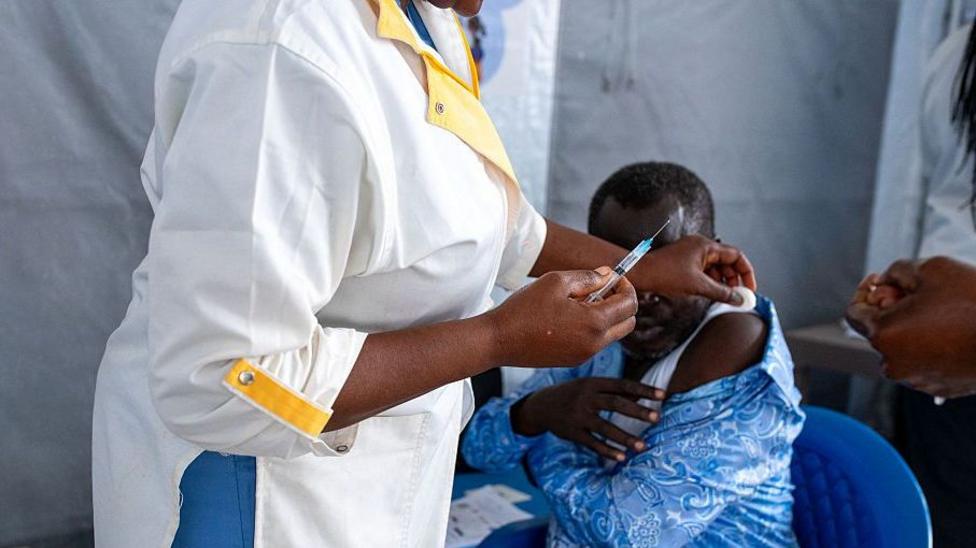
Unpaid health workers and shortages of essential supplies are undermining efforts to contain Ebola in the Democratic Republic of Congo, Médecins Sans Frontières warned on November 12. The warning comes amid scrutiny of hundreds of millions of dollars in response funding that authorities say has not been adequately accounted for.
Six months after the outbreak was declared, the medical charity said help was still failing to reach frontline responders. Staff lacked training and payment, ambulances lacked fuel, and surveillance teams lacked resources to identify and safely manage suspected infections, according to Reuters’ reporting of MSF’s assessment.
The financial concerns centre on reporting by organisations receiving donor funds, not a finding that money has been stolen. In an October 15 statement, the Africa Centres for Disease Control and Prevention said international donors had disbursed nearly $962 million directly to international organisations and nongovernmental groups implementing the response.
Africa CDC explicitly said those funds had not been paid to the Congolese government. It reported that only about 30% of the organisations concerned had attended a financial verification meeting and shared information, leaving national authorities without a comprehensive picture of available resources and their use.
Participating organisations reported receiving approximately $220 million, with about $120 million spent and $100 million remaining, the agency said. More than $700 million was therefore still unknown to national authorities. Africa CDC characterised this as a major shortfall in transparency and financial communication, rather than proof of embezzlement.
On the ground, MSF described weaknesses extending beyond financing. In Ituri province, just 9% of Ebola patients treated by its teams had previously been identified as contacts, according to Bloomberg’s reporting. That finding points to gaps in surveillance intended to locate people at risk before further transmission occurs.
Health facilities themselves were also contributing to infections, the charity warned. In the Beni health zone in North Kivu, almost three-quarters of Ebola patients were believed to have contracted the disease in healthcare settings. MSF identified shortages of basics including water and chlorine as risks to infection control.
The World Health Organization described the outbreak as the largest recorded in Congo. Its November 12 briefing material cited 10,467 confirmed cases and 5,103 deaths as of October 31, spread across 67 health zones in eight provinces. WHO said transmission was slowing in some places while new hotspots continued to emerge.
Those uneven trends complicate efforts to bring the emergency under control, particularly where insecurity and displacement disrupt access to care. The contrast between substantial donor disbursements and shortages reported by responders also makes financial visibility important for understanding which needs remain unmet and where resources are available.
WHO says clinical trials of treatments and candidate vaccines are advancing alongside the emergency response. Its stated priorities include coordinated preparedness, community engagement and cross-border collaboration. MSF’s warning underscores the immediate operational challenge: ensuring that workers tasked with containing the outbreak have the pay, training and supplies needed to do their jobs.
Primary source: BBC World. Newzly rewrites and structures source reporting for clarity; verify critical details at the original.