Myanmar committed genocide against Rohingya, BBC reports UN court ruled
The International Court of Justice has ruled that Myanmar committed genocide against the Rohingya minority, according to BBC Asia. The reported verdict concerns a 2017 military crackdown that killed thousands.
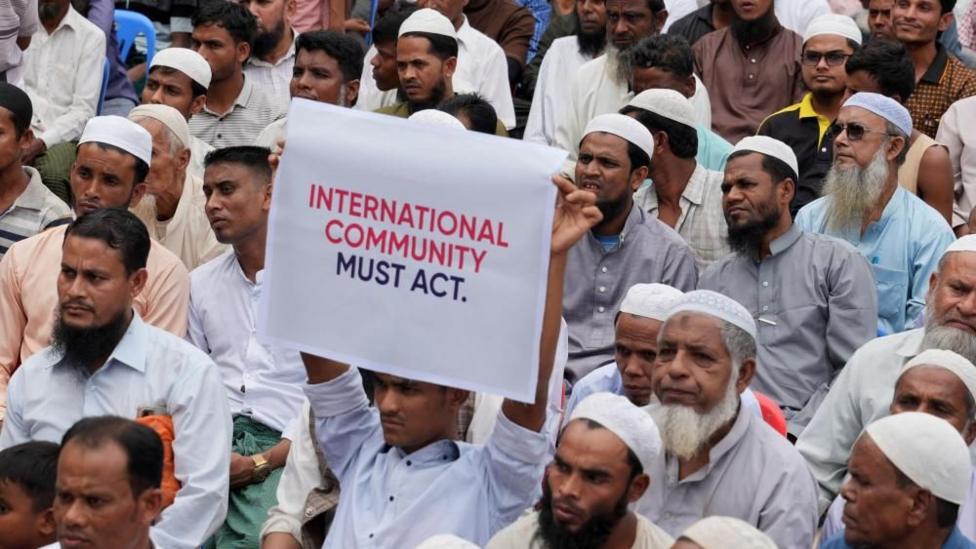
In this piece
BBC Asia reports that the International Court of Justice has found Myanmar committed genocide against the Rohingya minority. The supplied report describes the…
The International Court of Justice has ruled that Myanmar committed genocide against the Rohingya minority, according to a BBC Asia report. The reported judgment concerns a 2017 military crackdown that killed thousands, marking what the broadcaster describes as an unprecedented verdict.
The account supplied for this article consists of a headline and a brief description, rather than the court’s judgment or a detailed report of its findings. It does not give the date of the decision, the judges’ reasoning or the precise terms of the ruling, limiting what can be established from that material alone.
The 2017 crackdown is the central event identified in the report, connecting the reported legal finding to the deaths of thousands of people. The supplied account does not provide a more precise death toll or describe the individual incidents considered by the court, so those details cannot be set out here.
At the heart of the reported decision is the distinction between describing a deadly military operation and finding that a state committed genocide. Genocide is a specific legal category, not simply another term for mass killing, making the court’s explanation of how it reached its conclusion essential to understanding the judgment.
The International Court of Justice addresses questions of state responsibility, which are distinct from criminal proceedings against individual defendants. Accordingly, a finding against Myanmar should not be read as an announcement that particular military personnel or political figures have been criminally convicted; the supplied report identifies no such individual convictions.
For the Rohingya, the significance of the reported verdict lies in a court’s legal assessment of actions directed against their minority community. However, the brief account does not describe any remedies, compensation arrangements or protective measures, and it offers no basis for saying that the decision will produce immediate changes in their circumstances.
The BBC description calls the verdict unprecedented but does not explain the scope of that characterization. Without the full ruling or a fuller account, it is not possible to specify which aspect of the decision establishes a first, or to assess the breadth of its implications for other proceedings involving allegations of genocide.
The next questions concern the judgment’s exact findings, any obligations it imposes and how those obligations might be implemented. The supplied material includes no response from Myanmar or representatives of the Rohingya, leaving the reported genocide finding as the central development while the decision’s practical consequences remain unspecified in the available account.
Primary source: BBC Asia. Newzly rewrites and structures source reporting for clarity; verify critical details at the original.