NABARD Projects ₹17,343 Crore Credit Potential for Goa Rural Development
NABARD has projected a credit potential of 17,343 crore rupees for Goa in 2027–28, urging banks and state agencies at a rural development conference to align lending with the Viksit Goa 2037 roadmap.
In this piece
NABARD has estimated Goa's priority sector credit potential at 17,343 crore rupees for the 2027–28 financial year. Announced at the State Rural Development…
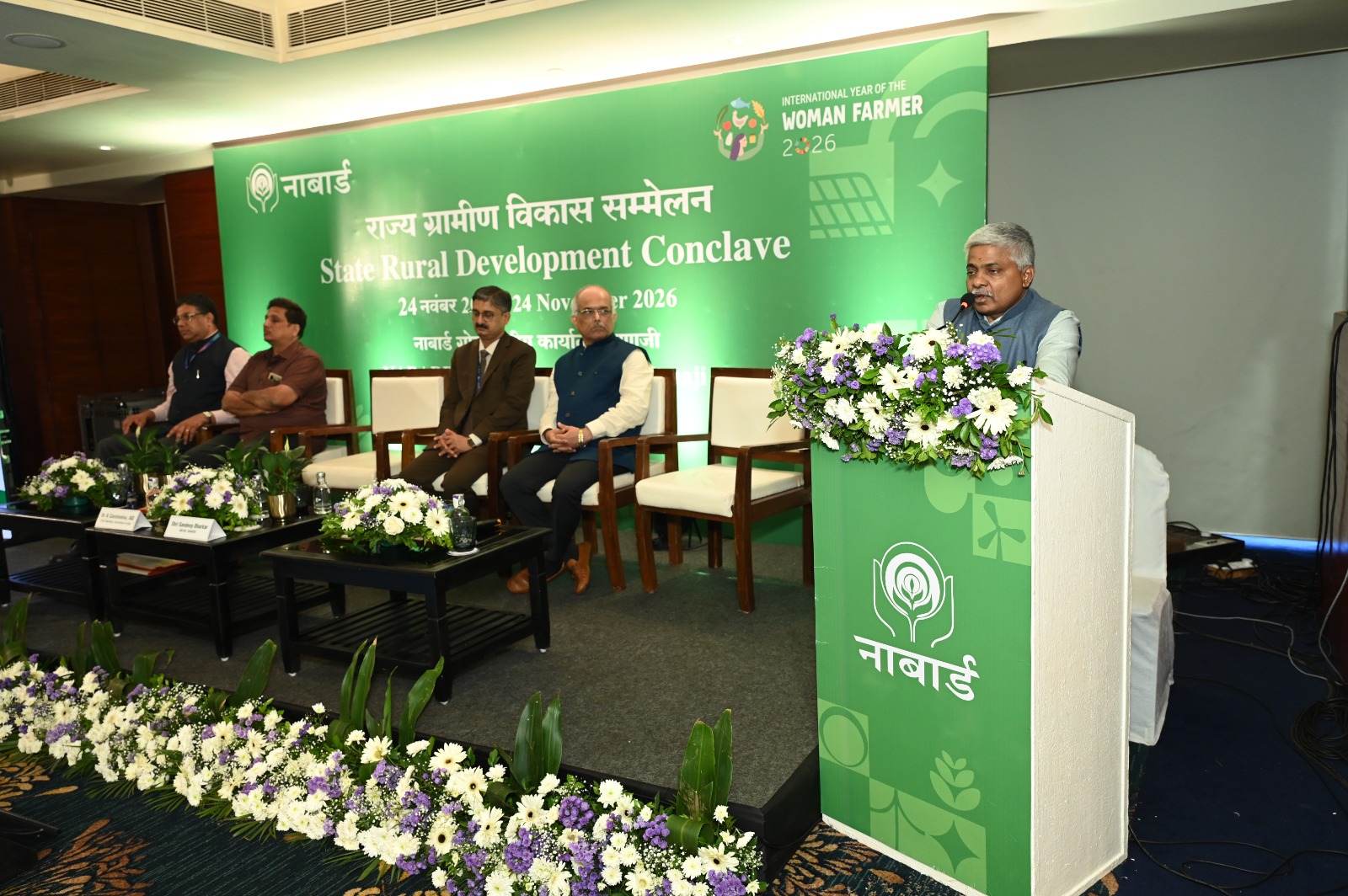
The National Bank for Agriculture and Rural Development has projected Goa's total priority sector credit potential at 17,343 crore rupees for the 2027–28 financial year. The credit assessment was unveiled during the State Rural Development Conference organised by the development bank in Goa to establish a comprehensive roadmap for sustainable rural livelihoods. Senior policymakers and financial sector leaders gathered to outline coordinated financing mechanisms across agriculture, rural enterprises, and community infrastructure.
The comprehensive credit projection draws directly from the Potential Linked Credit Plans formulated across North Goa, South Goa, and the Kushavati region. These assessments evaluate block-level economic potential, credit absorption capabilities, and physical infrastructure deficits to guide commercial, cooperative, and regional rural banks. The resulting aggregate estimates serve as an authoritative benchmark for priority sector lending allocations across the state.
Goa Chief Secretary Dr. V. Candavelou chaired the conference, steering discussions among key administrative and economic authorities. The high-level gathering convened senior officials from state government departments, the Reserve Bank of India, the State Level Bankers' Committee, and the ICAR-Central Coastal Agricultural Research Institute. Specialized financial institutions and agricultural research bodies joined the sessions to align policy incentives with formal credit delivery channels.
Addressing the delegates, Dr. Candavelou stressed the necessity of aligning banking and administrative initiatives with the state's long-term Viksit Goa 2037 economic framework. He highlighted that bridging credit gaps across rural pockets is critical to driving inclusive growth and diversifying the coastal state's economy beyond conventional tourism. Development agencies were urged to ensure timely, adequate financing reached smallholders, micro-entrepreneurs, and rural cooperative ventures.
Sectoral discussions focused on constructing resilient value chains for key agrarian industries, including extensive cashew plantation rejuvenation, commercial horticulture, and local dairy farming. Financial representatives also reviewed targeted interventions for inland aquaculture and marine fisheries, which support thousands of coastal families. Strengthening credit access for modernized boats, harvesting gear, and fingerling nurseries was highlighted as essential for sectoral productivity.
Delegates examined strategies to expand Micro, Small and Medium Enterprises, with targeted credit windows designed for products holding Geographical Indication tags. Stakeholders noted that Goa's unique GI-certified offerings and traditional village crafts possess substantial export and domestic premium potential when backed by structured marketing support. Expanding rural homestays and community-led ecotourism initiatives was likewise framed as an effective pathway to generate local livelihoods.
On the infrastructure front, the conference placed special emphasis on rehabilitating Goa's traditional Khazan agro-ecological systems and coastal bunds. These historic earthen embankments, which regulate saline water intrusion across coastal estuaries and low-lying agricultural fields, require sustained capital investment to preserve arable soil and protect estuarine fisheries. State officials and bankers explored infrastructure financing lines to restore damaged sluice gates and protective bund networks.
The assembly also addressed post-harvest bottlenecks, advocating for accelerated financing toward decentralized cold chains, packhouses, and agro-processing hubs. Integrating dependable rural renewable energy setups into processing units was identified as a key step to lower operating overheads for rural entrepreneurs. By curtailing post-harvest wastage of perishable horticultural produce, planners aim to stabilize farmgate prices and improve producer returns.
Financial institutions underscored the role of grassroots community collectives in widening credit delivery, emphasizing Farmer Producer Organisations, Primary Agricultural Credit Societies, and Self-Help Groups. Enhancing institutional credit flow through these cooperative platforms is expected to empower women, marginalized populations, and remote forest-dwelling communities. Panelists highlighted that integrating indigenous knowledge with organized institutional finance creates viable, self-sustaining community enterprises.
Following the state conference, banking institutions and government agencies will translate the 17,343 crore rupee credit blueprint into actionable annual district credit plans. The State Level Bankers' Committee and district consultative panels are scheduled to monitor quarterly disbursement targets across priority sectors. Continued collaboration among state departments, technical research bodies, and lending institutions will govern implementation as Goa advances toward its rural development milestones.
Primary source: Google News Goa. Newzly rewrites and structures source reporting for clarity; verify critical details at the original.