NASA APOD Listing Pairs Comet PanSTARRs With a Rainbow Meteor
A NASA Astronomy Picture of the Day listing dated November 3, 2026, is titled “Comet PanSTARRs and Rainbow Meteor,” but the supplied excerpt omits the photograph and its scientific explanation.
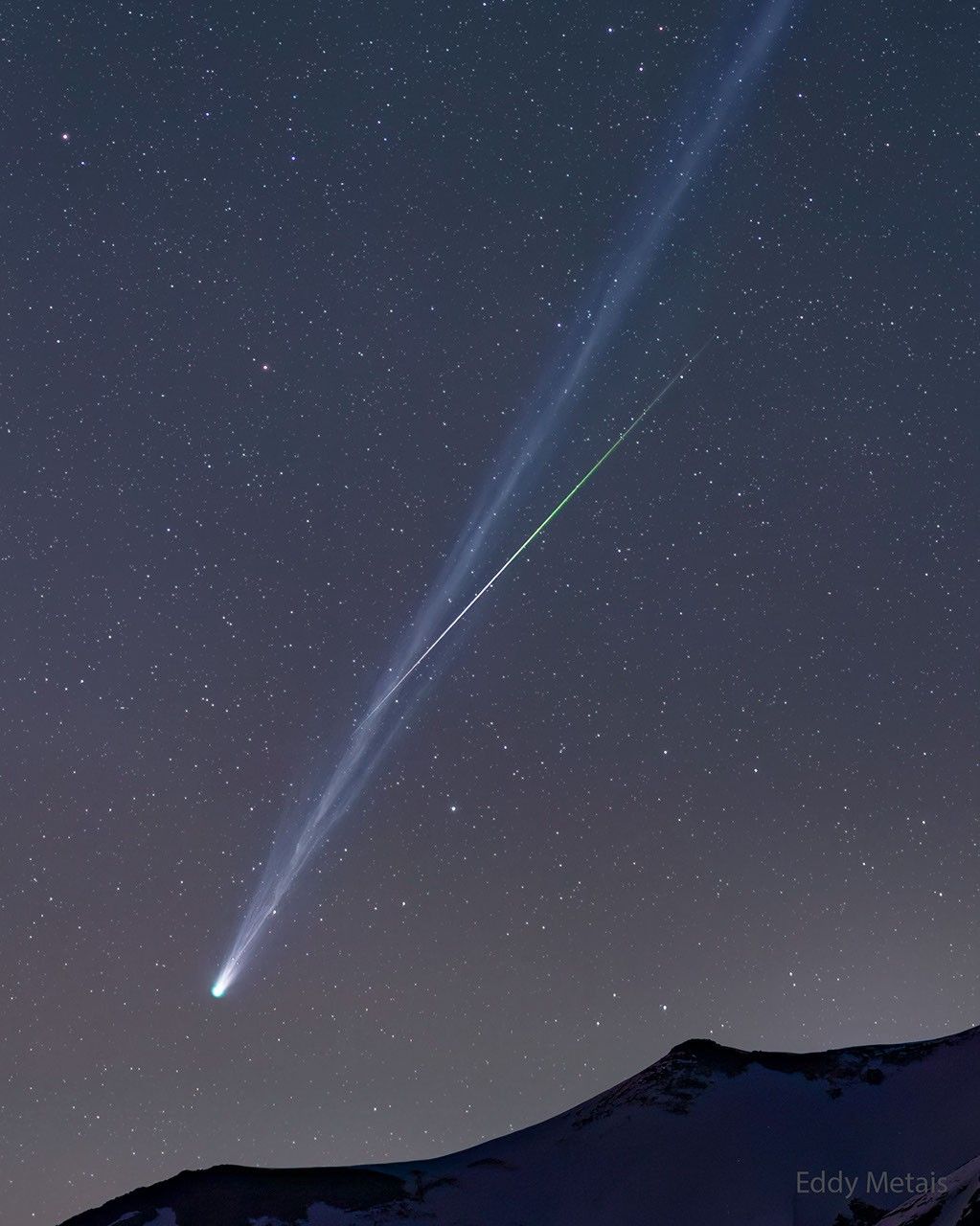
A NASA Astronomy Picture of the Day listing dated November 3, 2026, pairs Comet PanSTARRs with what its title calls a “Rainbow Meteor.” The supplied excerpt identifies the subject of the feature but does not include the photograph or the accompanying explanation needed to establish what the image shows.
The entry belongs to Astronomy Picture of the Day, known as APOD, which presents a different astronomical image or photograph each day. Its introduction describes the project as an invitation to discover the cosmos, with each selection accompanied by a brief explanation written by a professional astronomer.
In this case, the available material consists largely of that standard introduction and navigation text, followed by a truncated reference to the featured subject. It therefore supports identifying the listing and its title, but not a detailed account of the scene, the observation or the circumstances in which the photograph was made.
The title places two named subjects together: Comet PanSTARRs and a meteor described as rainbow-colored. It does not establish their apparent positions, their relative brightness or whether the photograph captures a single exposure. Those distinctions would matter to any account of the image, and none can be resolved from the supplied text alone.
The word “rainbow” is also left unexplained in the excerpt. Without the full caption, it would be premature to attribute the appearance to a particular physical process, observing condition or photographic technique. The available material provides no description of the colors themselves and no explanation of how they were recorded.
Likewise, the excerpt does not supply a fuller designation for the comet, an observing location, a photographer’s credit or an exposure date. The November 3, 2026, date identifies the APOD entry in the supplied title; it should not be treated as confirmation of when the photograph was taken. Separating those dates avoids assigning an unsupported timeline to the observation.
APOD’s stated format makes the missing explanation especially important: the project combines an image with an astronomer’s account rather than presenting a title alone. For readers, that accompanying text is the necessary basis for understanding the featured scene. The introductory material describes the educational purpose of the series but cannot substitute for the entry’s specific scientific context.
A fuller report would require the complete APOD image and caption, including any attribution and observing information provided there. Until those details are available, the supported account remains limited to the listing’s date, its title and its place in NASA’s daily astronomy feature; the image’s appearance and scientific interpretation remain unverified.
Primary source: NASA Breaking News. Newzly rewrites and structures source reporting for clarity; verify critical details at the original.