NASA APOD Lists ‘Enceladus in Silhouette’ for November 5, 2026
A NASA Astronomy Picture of the Day entry titled “Enceladus in Silhouette” carries a November 5, 2026, date, but the supplied excerpt omits the image and its scientific explanation.
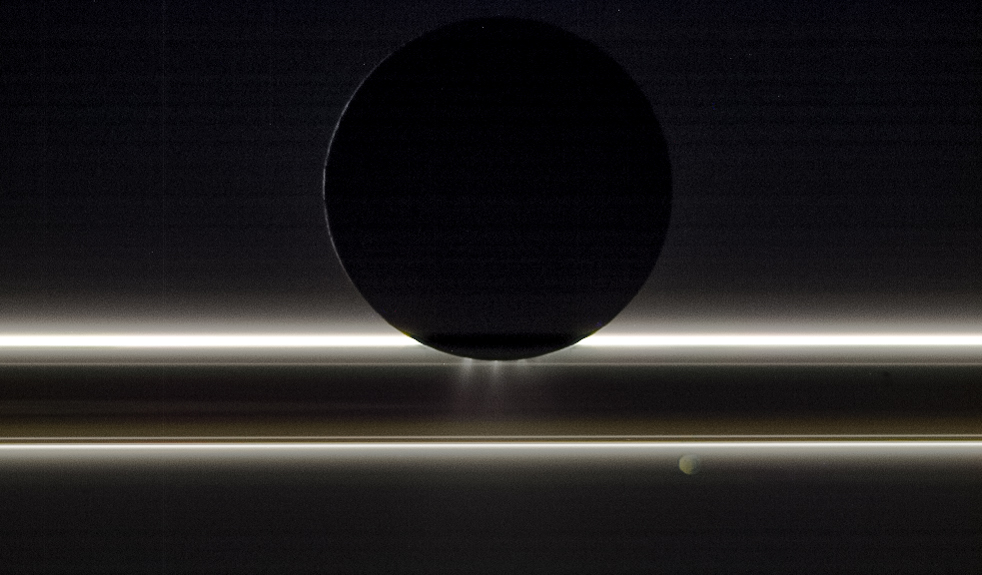
A NASA Astronomy Picture of the Day entry titled “Enceladus in Silhouette” is dated November 5, 2026, according to the supplied NASA Science listing. The available text identifies the subject and feature but stops before the image’s explanatory material, limiting what can be established about the scene it presents.
Astronomy Picture of the Day, commonly called APOD, introduces a different astronomical image or photograph each day. Its stated format pairs that visual with a brief explanation written by a professional astronomer, giving readers both a view of the universe and context for understanding what they are seeing.
For this entry, the headline is the only supplied description specific to the image. Although “in silhouette” indicates how the subject is presented, the excerpt does not identify the background, the direction of illumination or the circumstances of the observation, all of which would be necessary to explain the view accurately.
The supplied material largely consists of APOD’s standard introduction and site navigation, including references to its archive, calendar and educational pages. It does not reproduce the substantive caption that would normally distinguish this particular selection from other entries in the daily astronomy feature.
That distinction matters because an astronomical image’s appearance alone does not establish its scientific significance. A silhouette can emphasize an object’s outline, but interpreting any particular view requires information about the observation; the available excerpt does not support conclusions about what features are visible or why this image was selected.
The material also provides no image credit, acquisition date or identification of an observing instrument or mission. Consequently, the date attached to the APOD entry should not be treated as the date the image was captured, and the supplied text offers no basis for attributing it to a particular source.
Nor does the excerpt describe a new discovery, a research finding or a change in scientific understanding about Enceladus. The supported account is narrower: NASA’s astronomy-image feature lists a selection under this title, while the information needed to report its detailed scientific explanation is absent from the material provided.
The full image and accompanying astronomer’s explanation would be needed to take the story beyond that listing. Those materials could establish the observational context and the specific point the feature is intended to illustrate; until they are available, the title and dated APOD entry remain the only confirmed details specific to this selection.
Primary source: NASA Breaking News. Newzly rewrites and structures source reporting for clarity; verify critical details at the original.