NASA Picture of the Day Features Barnard 68, a Dark Molecular Cloud
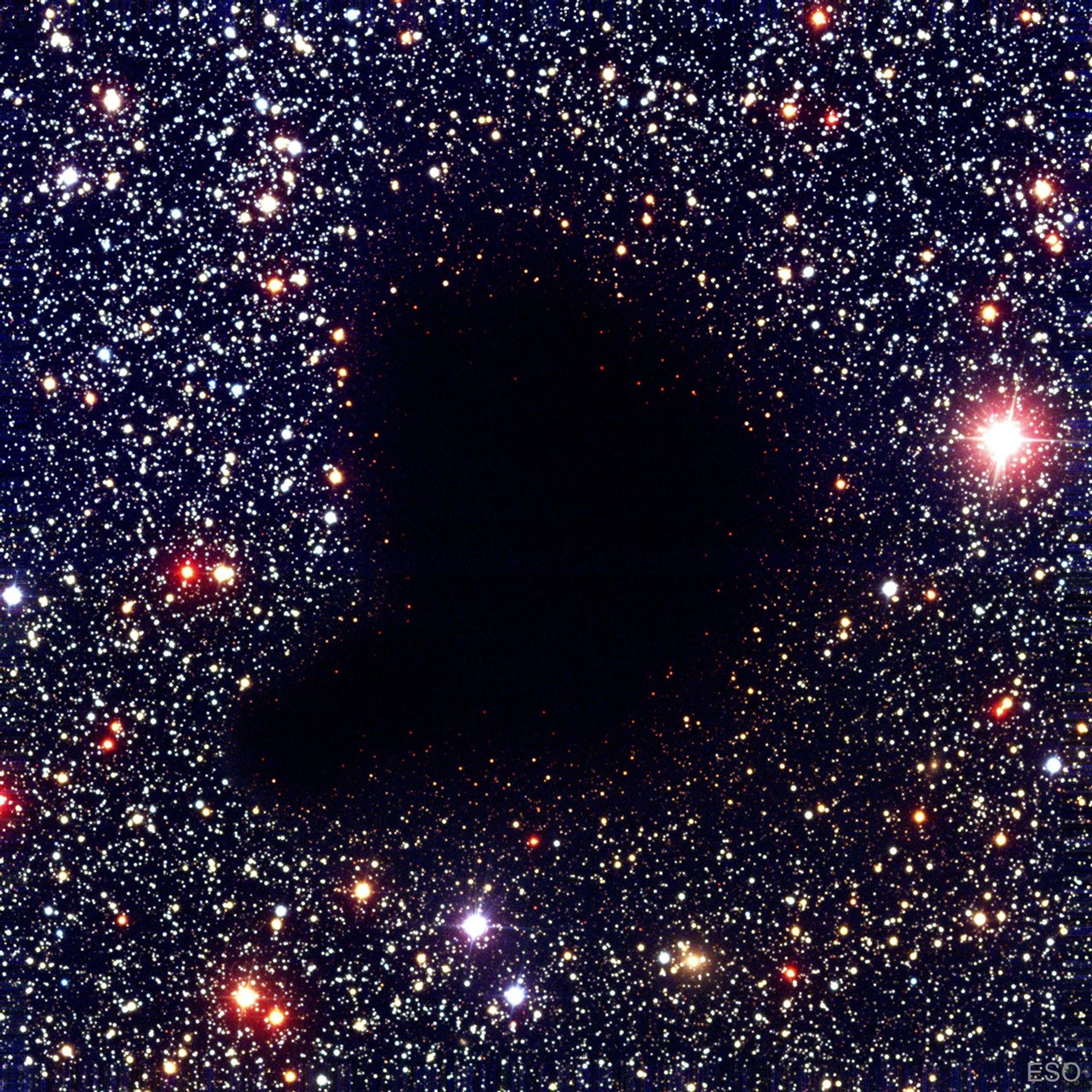
NASA’s Astronomy Picture of the Day for November 29, 2026, highlights Barnard 68, described as a dark molecular cloud, with a short explanation by a professional astronomer.
In this piece
NASA’s Astronomy Picture of the Day for November 29, 2026, features Barnard 68, identified as a dark molecular cloud. The entry follows APOD’s usual form: a…
NASA’s Astronomy Picture of the Day for November 29, 2026, features Barnard 68 and identifies it as a dark molecular cloud. The item appears on NASA’s science site in the APOD series, which presents a different image or photograph of the universe each day.
The page follows the long-running APOD format. Each daily feature is accompanied by a brief explanation written by a professional astronomer. The material available for this report is the listing and series description, which does not reproduce the full caption or technical notes that normally sit with the picture.
Barnard 68 is presented under that name as a dark molecular cloud. In astronomy, that phrase refers to a concentration of cold gas and dust dense enough that background starlight does not pass through it freely. On the sky, such regions often look like dark patches against a field of stars, even though they are made of matter rather than empty space.
The designation itself belongs to a catalog tradition of dark clouds associated with the astronomer Edward Emerson Barnard. This report does not add measurements, a distance, or a description of how this particular frame was made, because those details are not in the source text provided.
Molecular clouds matter because they are among the places where stars can form. Dust grains and molecules inside them hide the interior from ordinary visible light, so astronomers often turn to infrared or radio observations to study what lies within. A single APOD image is an introduction to that idea, not a full research paper on Barnard 68.
NASA describes APOD as a way to discover the cosmos through a daily picture and a short professional explanation. The November 29 entry sits in that public archive alongside earlier daily features, submissions information, a calendar, and related education and discussion pages listed on the series site.
For readers, the value of the feature is visual and explanatory. A dark cloud can look like a hole in the star field, and the accompanying astronomer’s note is meant to say what the darkness actually is. Without the full note in hand, this account stays with the title NASA published: Barnard 68 as a dark molecular cloud.
The image is framed as part of routine science communication rather than as a newly announced discovery. Nothing in the listing states that Barnard 68 was found on this date, that its status has changed, or that a mission released new data tied to the picture. The news is the choice of subject for that day’s APOD.
People who want the astronomer’s wording, credits, and any scale or wavelength information should read the November 29 page on NASA’s science site. Archive, calendar, and RSS options on the APOD section are the routes NASA lists for following later daily images.
What comes next is the series’ usual rhythm. APOD is built to feature a different view of the universe each day, with a fresh explanation. Barnard 68 remains in the public archive as the November 29, 2026, selection, labeled a dark molecular cloud.
Primary source: NASA Breaking News. Newzly rewrites and structures source reporting for clarity; verify critical details at the original.