entertainment·California·Los Angeles County
Nathan Fielder and Lance Oppenheim's Elizabeth Holmes Doc 'You Can See Everything' Hits Streaming
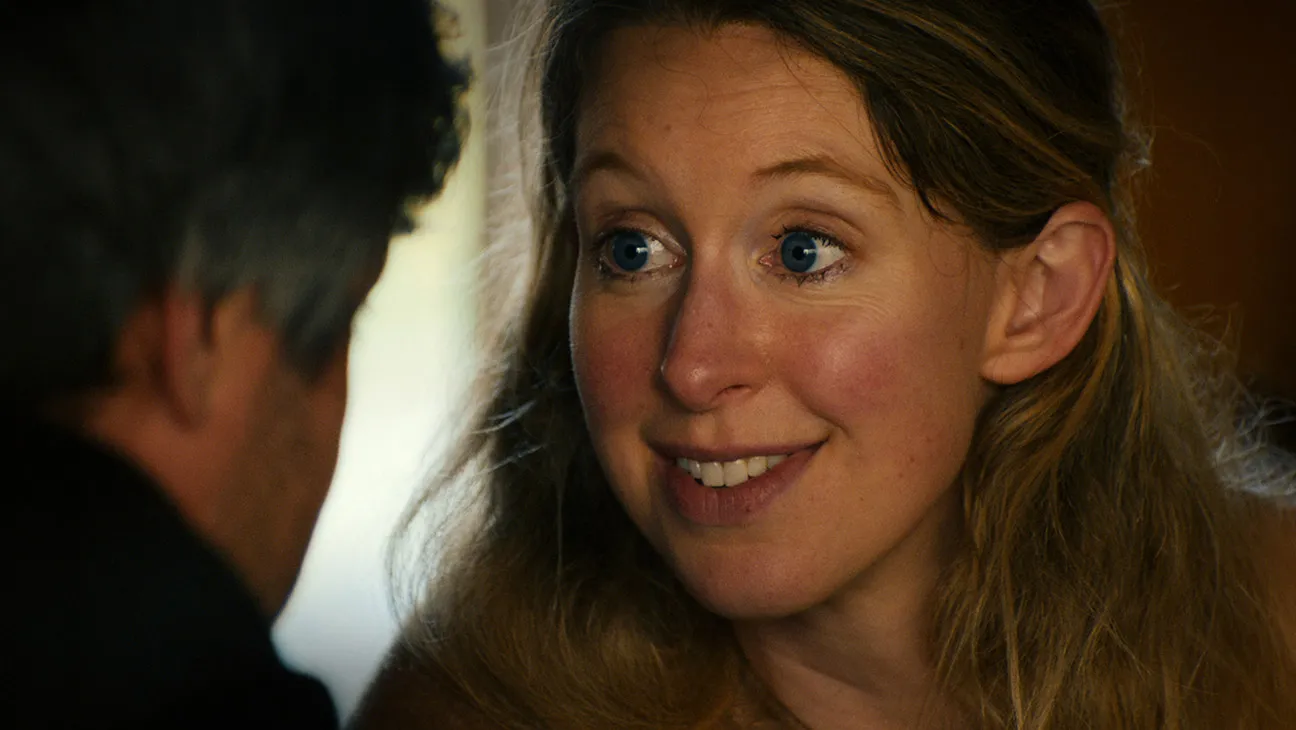
Nathan Fielder and Lance Oppenheim's Elizabeth Holmes documentary You Can See Everything has launched on digital streaming platforms, offering home audiences an intimate look into the controversial figure's domestic life.
In this piece
The documentary You Can See Everything, directed by Nathan Fielder and Lance Oppenheim, is now available to stream online. The film brings audiences inside the…
The documentary film You Can See Everything has officially arrived on streaming platforms, making the collaborative project widely accessible to home audiences. Directed by Nathan Fielder and Lance Oppenheim, the feature offers an unusually intimate look inside the personal residence of Elizabeth Holmes. According to reporting from The Hollywood Reporter, the digital release provides viewers with direct online access to the high-profile non-fiction project.
The release marks a significant transition for the film, moving the directors' distinctive visual study from industry showcases straight into living rooms. The central premise revolves around observing Holmes within her domestic environment, exploring her demeanor and daily routines away from traditional public appearances. Industry observers have noted that this shift to streaming invites broader scrutiny of how the filmmakers chose to document her private setting.
Both Fielder and Oppenheim bring established reputations for unconventional non-fiction filmmaking to the collaboration. Oppenheim is recognized for stylized examinations of subcultures and complex personalities, while Fielder has earned widespread acclaim for projects that test social boundaries and blend reality with performance. Their combined involvement immediately drew attention when the project was first conceived, setting high expectations for the tone of the documentary.
The focus on Holmes places the film squarely within ongoing interest in her life and public persona. Rather than focusing strictly on boardroom drama or courtroom proceedings, the project centers on the private spaces she occupied. By bringing recording equipment into her home, the directors sought to capture moments and interactions rarely glimpsed during previous media coverage.
The documentary format allows audiences to observe how Holmes navigates her home environment alongside the filmmakers. Reports highlight that the project emphasizes domestic observation, allowing viewers to evaluate her actions and conversations without heavy external narration. This deliberate stylistic choice places substantial interpretative weight on the audience as they watch the scenes unfold.
The arrival of the film on streaming services reflects the broader popularity of character-driven documentary features that examine controversial public figures. Digital platforms have increasingly become primary destinations for non-fiction films that challenge traditional biographical structures. The release allows subscribers to engage with the material on demand, likely fueling widespread discussion across social and digital media.
The creative partnership between Fielder and Oppenheim represents a unique meeting of documentary sensibilities. By merging Oppenheim's visual precision with Fielder's distinctively dry and destabilizing perspective, the film creates an atmosphere that departs from standard documentary conventions. Critics and cultural commentators have pointed to this stylistic fusion as one of the central attractions of the production.
Distributing the documentary via digital streaming ensures that it reaches viewers beyond specialized festival circuits and major theatrical markets. The Hollywood Reporter noted that prospective viewers can now stream the title across major home platforms, lowering the barrier for general audiences interested in the directors' work. The availability of the film online also enables closer analytical viewing of specific exchanges and scenes.
As streaming viewership grows, discussion surrounding You Can See Everything is expected to focus on the ethics and artistic choices inherent in documenting a figure like Holmes at home. Audiences and critics alike will continue to debate what the film reveals about its subject and whether the domestic setting offers genuine insight or another layer of performance. The broader cultural impact of the release will become clearer as more viewers experience the film in their own homes.
Primary source: The Hollywood Reporter. Newzly rewrites and structures source reporting for clarity; verify critical details at the original.