'NAZA' Filmmakers Prioritize Real-World Impact Over Awards Circuit Glamour at IDFA
While Amsterdam's IDFA documentary festival serves as a prime stop on the international awards trail, the team behind 'NAZA' is using the heightened visibility to champion accountability rather than chase traditional campaign prestige.
In this piece
The creative team behind the acclaimed documentary 'NAZA' has embraced international awards recognition primarily as a means to amplify their investigation into…
Over the past several years, the International Documentary Film Festival Amsterdam has transformed into an indispensable stop along the international awards circuit. Major streaming platforms and independent studios regularly flock to Amsterdam's historic seventeenth-century canalside venues and screening rooms, actively courting festivalgoers and academy voters. Yet amid the customary rounds of celebratory receptions and promotional receptions, the team behind one of the season's most prominent contenders has adopted an entirely different posture.
The creators of the investigative documentary "NAZA" have opted to bypass high-profile cocktail parties in favor of directing public attention toward their subject matter. While acknowledging the value of the broader awards race, the filmmakers have emphasized that commercial prestige and personal accolades remain secondary to tangible real-world awareness. According to the team, the intense media scrutiny surrounding the festival circuit is primarily an instrument to broaden the reach of their reporting.
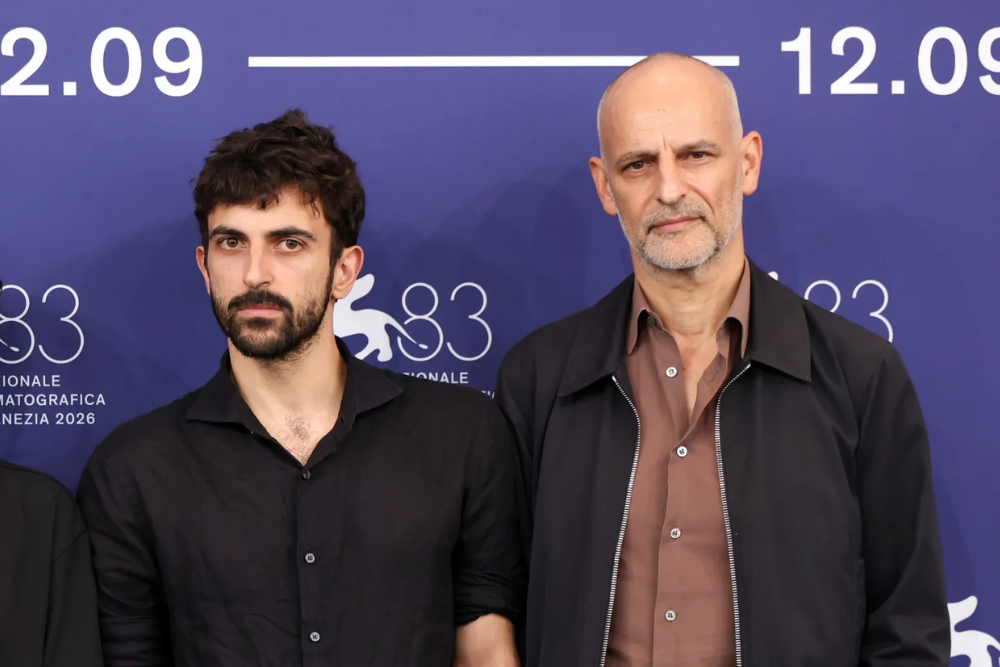
Speaking during festival engagements reported by Variety, director Yuval Abraham and producer James Wilson reflected on navigating the high-stakes awards season landscape. The filmmakers expressed gratitude for the rare spotlight being shone on their project through industry discussions, noting that such conversations introduce difficult topics to audiences that might otherwise remain unaware. However, they firmly characterized their film as merely a small cog in a machine of resistance, asserting that cinema alone cannot substitute for broader structural reckoning.
The documentary, co-directed by Abraham alongside Rachel Szor, provides an in-depth examination of the deployment of artificial intelligence and automated systems in military targeting operations in Gaza. Taking its title from a military acronym euphemistically denoting collateral civilian damage, the film traces how algorithmic mechanisms determine potential strikes. Its stark technical focus has ignited intense international debate regarding accountability, modern warfare, and the ethics of autonomous defense technology.
The Amsterdam screenings follow an already tumultuous journey across major global film platforms since the project made its international debut. After premiering in competition and securing honors at the Venice International Film Festival, the documentary rapidly emerged as a focal point for critics and human rights observers alike. The subsequent festival rollout across European capitals has drawn packed theaters and heated panel discussions, underscoring the appetite for investigative nonfiction work addressing ongoing conflicts.
For Wilson, an experienced producer known for challenging cinema including "The Zone of Interest," the documentary represents a direct extension of rigorous public-interest storytelling. The creative team has consistently maintained that films documenting human catastrophe should resist becoming self-congratulatory marketing vehicles. Instead, their promotional strategy has deliberately centered discussions on institutional culpability and the verified experiences of civilians caught within automated target matrices.
The filmmakers' resolute approach highlights an ongoing tension within the documentary industry at large, especially at premier gatherings such as IDFA. As nonfiction festivals increasingly mirror the glamorous campaigning traditionally associated with fiction feature films, some documentarians worry that pressing geopolitical crises are treated merely as awards season fodder. By turning festival panels into rigorous forums on state accountability, the "NAZA" team has challenged fellow creators and voters to reevaluate the purpose of cinematic honors.
Audience reactions in Amsterdam and across previous festival stops demonstrate that the filmmakers' sober messaging has resonated powerfully with international viewers. Industry delegates have praised the production's willingness to confront uncomfortable realities without softening its findings for awards-voting sensibilities. The film's reception also reflects how grassroots organizers, journalists, and cultural institutions are increasingly coordinating to ensure that investigative documentaries maintain relevance far beyond festival calendars.
As voting deadlines for major year-end film honors approach, "NAZA" is poised to remain at the center of critical and industry assessments. The creative partners plan to continue participating in curated post-screening discussions and educational forums, maintaining their focus on algorithmic surveillance and human rights protections. While trophies and nominations may follow, the team insists the true measure of their success will be whether their work contributes to meaningful legal, political, and public scrutiny worldwide.
Primary source: Variety. Newzly rewrites and structures source reporting for clarity; verify critical details at the original.