Nebraska can draft residents to fill election poll worker jobs
Nebraska Public Media reports that the state can draft residents to staff polling places when volunteer poll workers fall short, describing the compulsory approach as unlike typical recruitment.
In this piece
Nebraska can require residents to serve as election poll workers when voluntary recruitment does not fill the jobs, Nebraska Public Media reports. The…
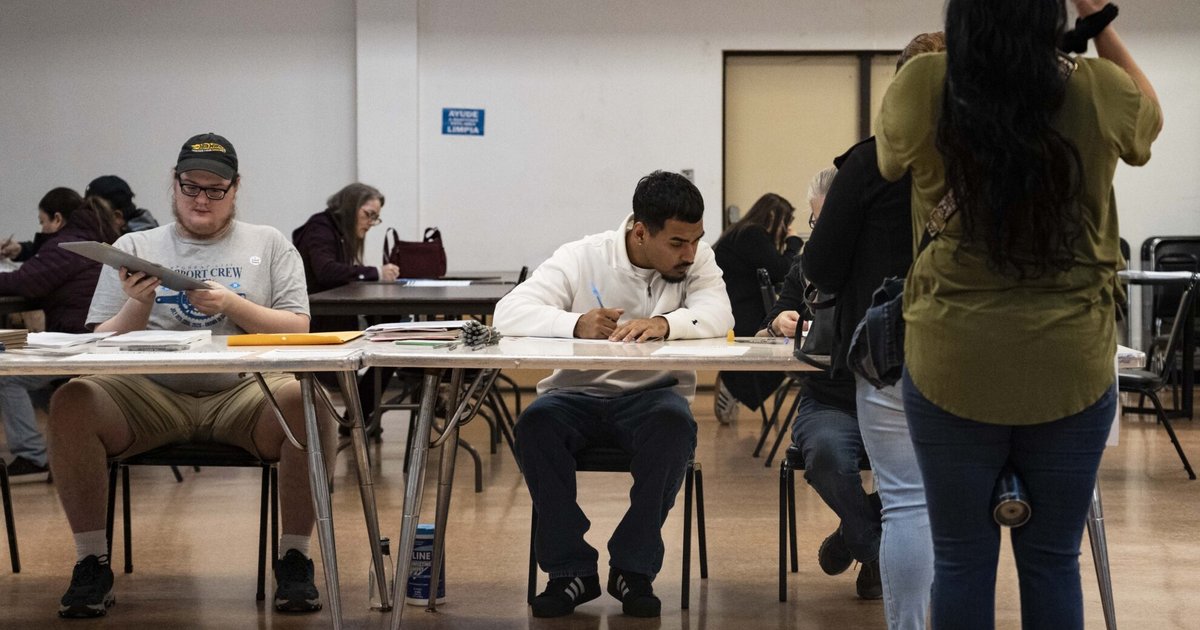
Nebraska fills election poll worker jobs in a way many voters may not expect: it can draft people into the role, Nebraska Public Media reports. The public broadcaster says the state turns to that compulsory system to staff polling places when ordinary recruitment is not enough.
The report describes a backstop rather than a first choice. Election offices still need people to check in voters, issue ballots, and keep a polling place orderly from the time doors open until ballots are secured. When too few residents volunteer, Nebraska's approach allows officials to assign the work.
That assignment is what the headline calls a draft. It resembles jury service in one important respect: a public duty tied to a fixed date can fall on someone who did not raise a hand. Nebraska Public Media presents the practice as distinctive. The material available here does not include a statute number, a pay scale, or a roster of counties that have used the power.
Poll workers are temporary election staff, not candidates and not permanent government employees. Their tasks typically include greeting voters, confirming eligibility under the rules they are given, directing people to the correct ballot, and helping close the site at the end of the day. Training is supposed to make those steps consistent from one polling place to another.
Staffing those tables has been a recurring strain for local election offices in the United States. High-turnout elections need more workers. Elections held on weekdays compete with job schedules. Rural precincts draw from smaller pools of adults, while busier sites need larger crews. The Nebraska Public Media story treats a legal draft as the state's answer when those pressures leave holes in the roster.
The method matters because a polling place that opens short-handed can mean longer waits, less help for voters with questions, and more fatigue for the people who do appear. Reliable staffing does not decide who wins, but it shapes whether people can cast a ballot without unnecessary delay. A draft is meant to reduce the chance that a precinct is left uncovered.
Compulsion also carries burdens that any such system has to manage. People called up may have work, school, health limits, or caregiving duties. Fair administration usually depends on clear notice, a way to explain a conflict, and enough training that an assigned worker can still do the job correctly. The material available here does not describe Nebraska's exemptions, penalties, or how much notice residents receive, so those points remain outside what this account can establish.
The report likewise does not quote election officials or workers, and it does not give counts of how many people have been drafted in a given year. The central fact Nebraska Public Media states is that jobs can be filled by draft, not only by volunteers. Broader claims about frequency or public reaction would need the full story or records from local election offices.
Ahead of the next election, county offices will still recruit volunteers, set training dates, and match workers to precincts. Where sign-ups fall short, the draft described by Nebraska Public Media is the tool officials may use to finish the roster. Residents who are contacted would need instructions from their local election office on when and where to report.
The outlook is practical. Nebraska's system, as reported, keeps a legal path open to fully staffed polls even when volunteer numbers dip. How often that path is taken, and in which communities, is a question for election officials and for the Nebraska Public Media reporting behind the headline.
Primary source: Google News Nebraska. Newzly rewrites and structures source reporting for clarity; verify critical details at the original.