New European Films Cast Nazi Collaborators in a Chilling Light
A wave of European cinema led by Venice Golden Lion winner Woman Unknown is challenging traditional wartime narratives by exploring the chilling moral dilemmas and compromises of Nazi collaborators.
In this piece
Venice Golden Lion winner Woman Unknown is leading a new wave of European historical films examining Nazi collaboration with unprecedented psychological depth.…
A new wave of European cinema is revisiting the darker corridors of the Second World War through an unsettling moral lens, challenging decades of storytelling that strictly celebrated resistance movements. Leading this reappraisal is Woman Unknown, a Danish historical drama that secured the prestigious Golden Lion at the Venice Film Festival this year. The production marks a notable cinematic departure from standard narratives of wartime occupation and immediate postwar retribution.
Directed by filmmaker May el-Toukhy, the film exemplifies an emerging trend of movies exploring the harrowing compromises made by ordinary citizens living under occupation. For decades, popular screen representations of Nazi-occupied Europe relied on clear-cut divides, pitting heroic resistance fighters against villainous collaborators who received unequivocal condemnation. This recent cinematic shift, however, deliberately complicates those long-standing boundaries by examining the psychological ambiguities of survival.
The story in Woman Unknown unfolds during the immediate aftermath of Denmark’s liberation from Nazi rule, yet its visual environment defies familiar historical portrayals of postwar devastation. The narrative introduces a young maid quietly attending to her daily tasks inside a vast, high-ceilinged Danish apartment. She serves steaming coffee in delicate china and polishes heavy family silver, moving across checkerboard parquet floors illuminated by classic Poul Henningsen lamps.
In these opening moments, the domestic comfort of the Danish bourgeoisie appears remarkably untouched by the five brutal years of foreign occupation, martial law, and strict civilian rationing. This pronounced contrast between physical luxury and the surrounding historical crisis immediately establishes a sense of unresolved moral tension. The pristine domestic setting suggests that wealth and social status offered a degree of isolation from the direct ravages experienced by the wider public.
Yet the calm surface of the household cannot completely obscure the deep psychological scars of the conflict. The trauma of wartime violence repeatedly breaches the domestic serenity through abrupt, disorienting flashbacks. Blurry, fragmented memories show shadowy armed figures aiming handguns at human temples and bodies falling abruptly to the floor, exposing the violent reality that underpinned the nation's transition out of German occupation.
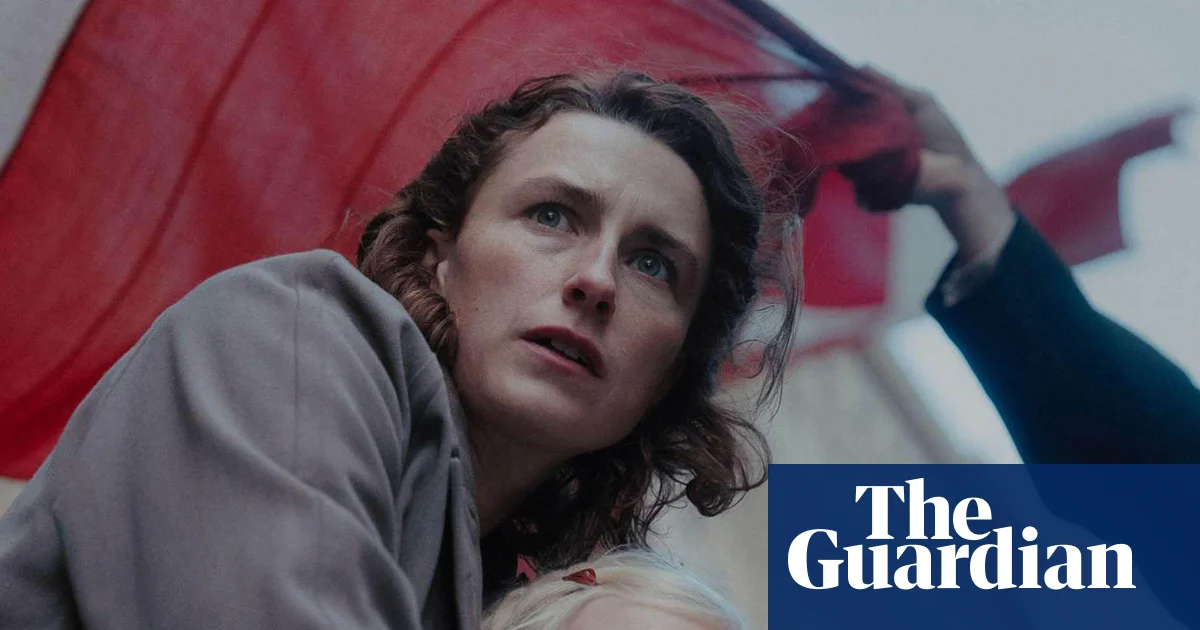
What makes these traumatic intrusions particularly chilling is how they overturn traditional visual expectations of World War II cinema. The red fabric billowing through the fog of the maid's troubled memory is not the swastika banner of the Third Reich, but liberated Denmark’s own white-crossed Dannebrog. Furthermore, the black-clad executioners haunting these recollections are not German SS officers, but domestic resistance fighters carrying out brutal reckonings against suspected collaborators.
By reversing these traditional heroic tropes, the film questions how societies navigate the chaotic aftermath of liberation when national justice turns retributive. The depiction of resistance members executing turncoats brings to light the murky, vengeful period that followed the end of formal hostilities. In doing so, the drama foregrounds the moral dilemma of whether post-liberation vengeance merely repeated the violence it sought to punish.
This emerging thematic focus forces contemporary audiences to confront the impossible choices faced by individuals living under authoritarian rule. When active resistance inevitably brought harsh retaliation and collective punishment, survival often required difficult compromises that history later judged harshly. Rather than treating collaboration as an inexplicable moral failing, these new films interrogate what happens when ordinary people prioritize self-preservation or the safety of loved ones over defiance.
The success of Woman Unknown at the Venice Film Festival indicates a growing cultural willingness to reconsider national wartime myths with greater nuance and psychological complexity. By setting aside comfortable binaries of pure virtue and villainy, the current crop of European films offers a more sober assessment of human vulnerability under pressure. As these stories reach wider international audiences, they invite a more thoughtful reflection on the lasting scars and moral grey zones of occupied Europe.
Primary source: The Guardian Culture. Newzly rewrites and structures source reporting for clarity; verify critical details at the original.