New Hampshire Argues Voters Lack Fundamental Right to Cast Mail Ballots
State attorneys told the New Hampshire Supreme Court that voters lack a fundamental right to cast mail ballots, defending stringent identity-verification rules against a challenge brought by disabled and visually impaired residents.
In this piece
New Hampshire state attorneys have argued before the state Supreme Court that voters possess no fundamental constitutional right to cast absentee ballots by…
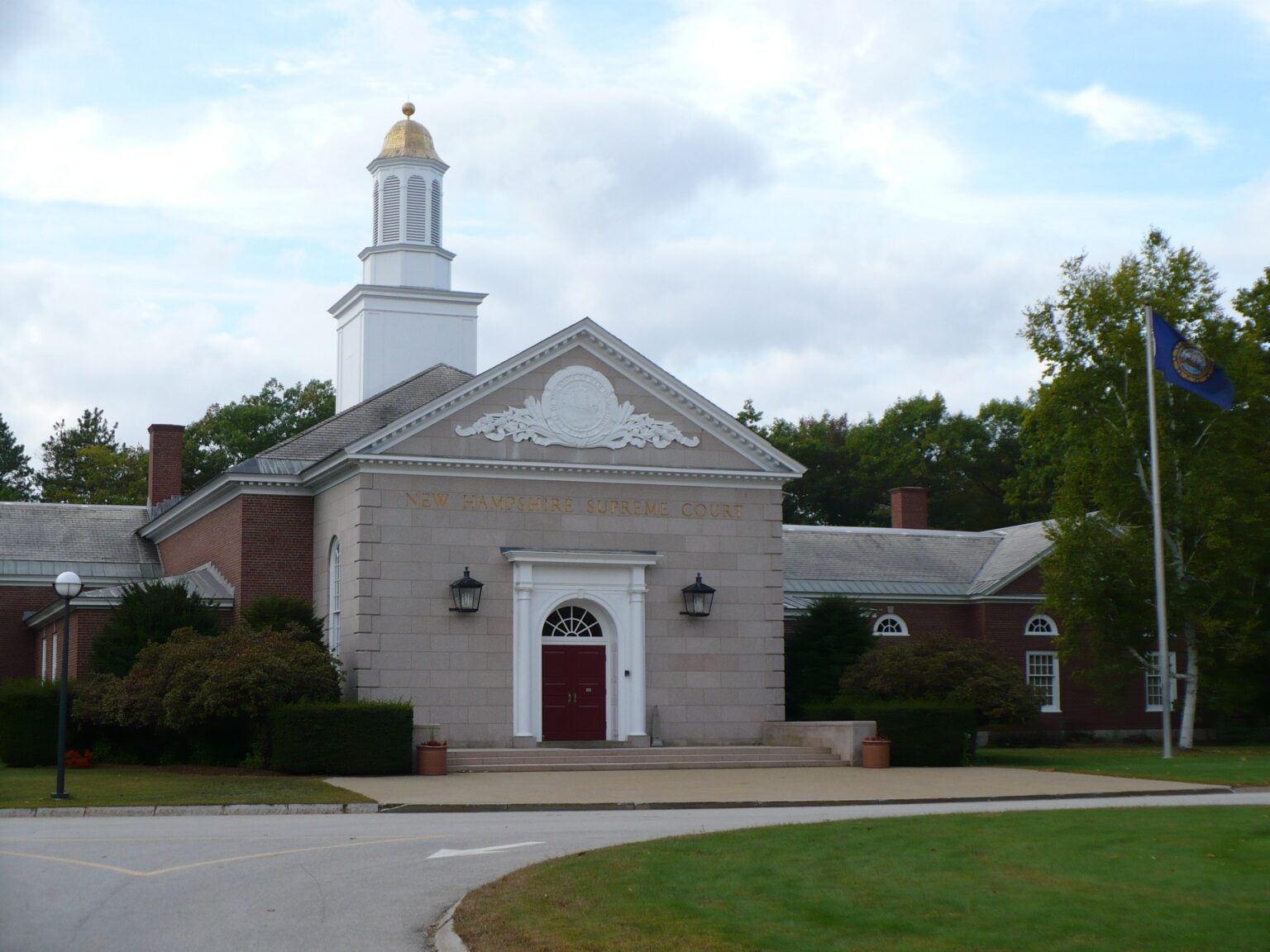
State attorneys representing New Hampshire election officials have argued before the state Supreme Court that citizens do not possess a fundamental constitutional right to vote by mail. The position was articulated during oral arguments in a high-stakes challenge to state voting restrictions, where government counsel asserted that the state constitution protects in-person balloting rather than unrestricted access to absentee voting.
The argument arose in the ongoing legal battle Robertson v. Scanlan, which challenges state statute SB 287, also codified in part under RSA 657:17-c. Representing the New Hampshire Department of Justice on behalf of Secretary of State David Scanlan and Attorney General John Formella, state attorneys maintained that regulations governing mail balloting are standard administrative procedures rather than constitutional infringements.
The underlying lawsuit was initiated by voters with disabilities, including visually impaired residents Adele Robertson, Daniel Frye, and Regina Wilson. The plaintiffs filed the action in Rockingham County Superior Court, asserting that the state's absentee voting identification mandates impose severe and discriminatory hurdles on people who cannot readily travel or obtain physical documentation.
Under the contested statute, voters seeking an absentee ballot must present a valid government-issued photo identification in person, submit a physical photocopy of their ID with their application, or provide a notarized signature. These requirements apply repeatedly across elections, replacing simpler application avenues that previously accommodated voters facing mobility or vision impairments.
Attorneys representing the plaintiffs, including counsel from Elias Law Group and McLane Middleton, contended that the strictures violate protections guaranteed under the New Hampshire Constitution. They argued that requiring individuals who are blind or severely disabled to locate copiers, travel to municipal offices, or hire notaries creates an unconstitutional barrier to exercising their franchise.
State officials countered that the identification provisions serve compelling public interests in preserving election security, preventing voter fraud, and bolstering public confidence in ballot processing. In late 2025, the Rockingham County Superior Court ruled in favor of the state, concluding that the rules constituted reasonable, nondiscriminatory regulations that align mail-in voting requirements with in-person standards.
During oral arguments on appeal, state attorneys conceded that the general right to vote is fundamental, but insisted that mail-in voting remains an accommodation granted by the legislature rather than an inherent constitutional guarantee. Under that interpretation, lawmakers retain broad latitude to restrict or condition mail-in voting without triggering strict judicial scrutiny from state courts.
Voting rights advocates warn that stripping absentee voting of constitutional protection could pave the way for even tighter voting restrictions in future legislative sessions. They emphasize that thousands of senior citizens, rural voters, and residents with chronic health conditions rely exclusively on mail-in ballots to participate in municipal, state, and federal elections.
The dispute highlights a growing national divide over whether mail balloting is a fundamental facet of the modern franchise or merely a legislative privilege subject to state discretion. While several states have expanded no-excuse mail voting and permanent absentee lists in recent years, others have enacted tighter verification rules, signature matches, and criminal penalties for ballot delivery assistance.
The New Hampshire Supreme Court has taken the case under advisement and is expected to issue a binding ruling in the coming months. The forthcoming decision will determine whether the state's strict absentee verification rules remain in effect and will set a lasting legal precedent defining the scope of voting protections under New Hampshire law.
Primary source: Google News New Hampshire. Newzly rewrites and structures source reporting for clarity; verify critical details at the original.