New York City Advances Plan to Close Rikers Island Jails
New York City officials are moving forward with a bold plan to shutter the troubled Rikers Island jail complex and relocate detainees, aiming to end decades of violence and operational crises.
In this piece
New York City officials are advancing plans to close the Rikers Island jail complex following years of debate over violence and inmate deaths. The ambitious…
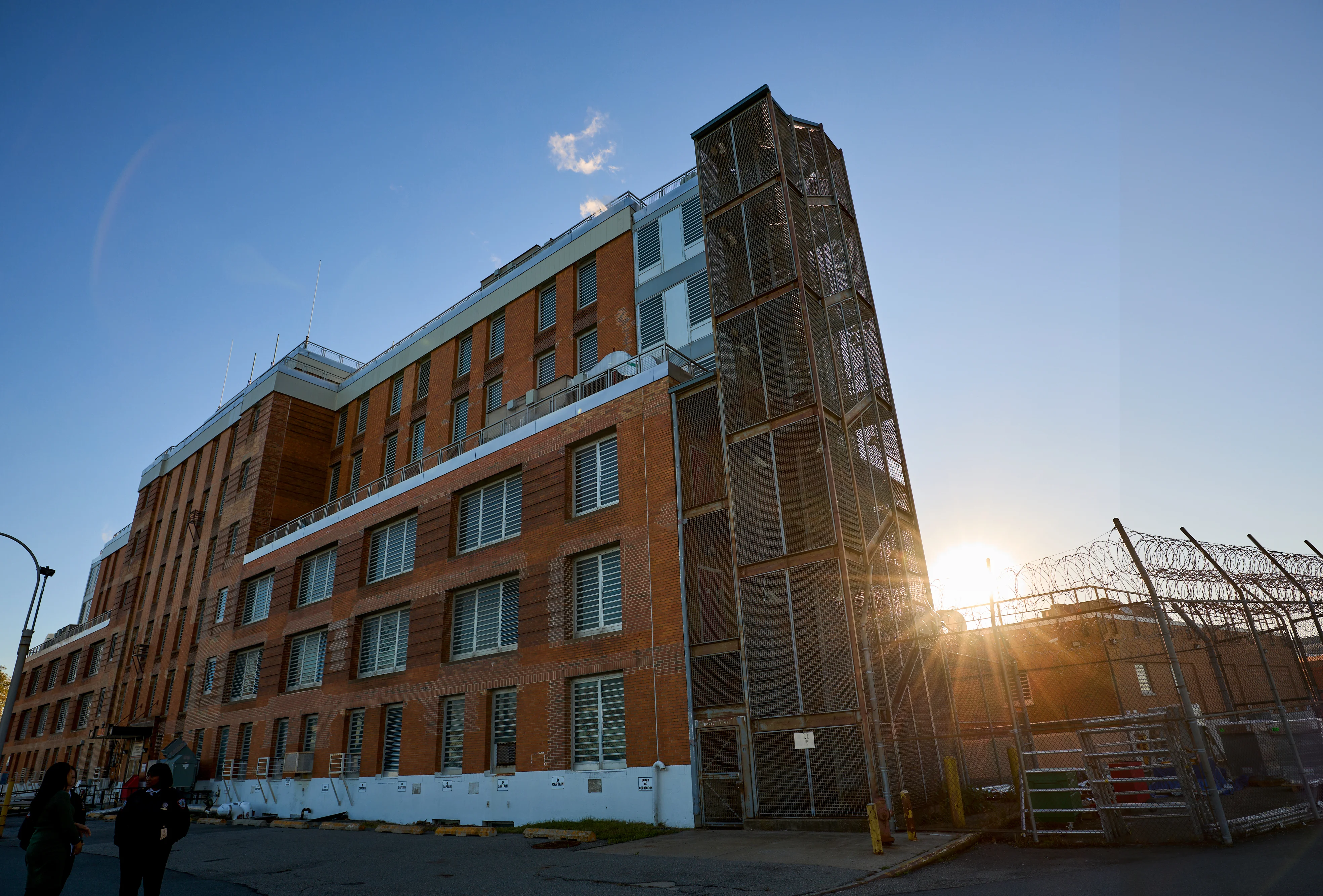
New York City officials are advancing an ambitious plan to shutter the Rikers Island jail complex and transition detainees to new facilities, signaling a major turning point after years of debate. The initiative aims to formally move municipal corrections away from the isolated island, which has served as the city's primary detention facility for generations. The announcement reflects growing determination among city leaders to overhaul a municipal jail network long burdened by operational crises.
The complex has faced unrelenting scrutiny from reform advocates, oversight boards, and legal monitors following years of pervasive turmoil behind its walls. Reports of frequent violent assaults, crumbling infrastructure, and a rising toll of inmate deaths have intensified demands for permanent closure. The acute crisis inside the facilities has made Rikers Island a focal point of nationwide discussions regarding correctional standards and human dignity in municipal detention.
Discussions surrounding the decommissioning of the jail complex have spanned multiple years, characterized by contentious debates over alternative sites, funding allocations, and operational capacity. The island currently houses thousands of individuals, predominantly defendants awaiting court dates as well as those serving short municipal sentences. Over several decades, previous reform programs failed to resolve systemic management failures, leading city leaders to conclude that the existing facility is structurally incapable of modern rehabilitation.
To replace the aging compound, municipal planners are focusing on decentralized, modern detention centers designed to replace centralized isolation with structured community-based custody. These evolving frameworks draw upon contemporary institutional models that prioritize humane living conditions, mental health support, and active violence prevention. By redesigning the physical layout and institutional philosophy of local custody, officials hope to dismantle the punitive patterns that have dominated the city's penal apparatus.
The planned relocation carries substantial implications for the broader administration of justice across New York City. Housing detainees closer to local municipal courthouses is expected to streamline court appearances, reduce cumbersome transportation logistics, and facilitate frequent access to defense counsel. In addition, advocates underscore that more accessible neighborhood facilities will allow families to maintain vital connections with incarcerated relatives, an essential factor in reducing recidivism.
Despite the momentum behind the new blueprint, the logistical and financial undertakings required to abandon the island remain formidable. Transitioning operations away from a massive municipal jail complex demands extensive coordination among correction unions, city agencies, and neighborhood representatives. Planners must also manage complex construction schedules while ensuring that overall detainee counts remain low enough to be safely accommodated in smaller replacement facilities.
Oversight organizations and civil rights watchdogs have responded to the announcement with cautious vigilance, pointing out that earlier closure timetables repeatedly suffered from delays. Sceptics emphasize that physical relocation alone cannot resolve deep-seated cultural and disciplinary problems within the department without sweeping administrative changes. Independent monitors continue to track day-to-day conditions inside the existing facilities, urging authorities to protect current detainees while long-range alternatives are constructed.
As the plan moves forward, city leadership will face close scrutiny over its execution strategy, budget commitments, and measurable safety milestones. Municipal officials are expected to present detailed implementation phases to oversight bodies and the public as preparatory work progresses. The success of the project will ultimately depend on the city's ability to navigate political resistance, maintain operational stability, and deliver a humane detention system that definitively replaces Rikers Island.
Primary source: NPR News. Newzly rewrites and structures source reporting for clarity; verify critical details at the original.