Nintendo Switch 2 sales fall 41% as price hikes weigh
Nintendo’s flagship Switch 2 posted a 41% sales decline in its fiscal second quarter, according to CNBC, as price increases and rising memory costs put pressure on the gaming business.
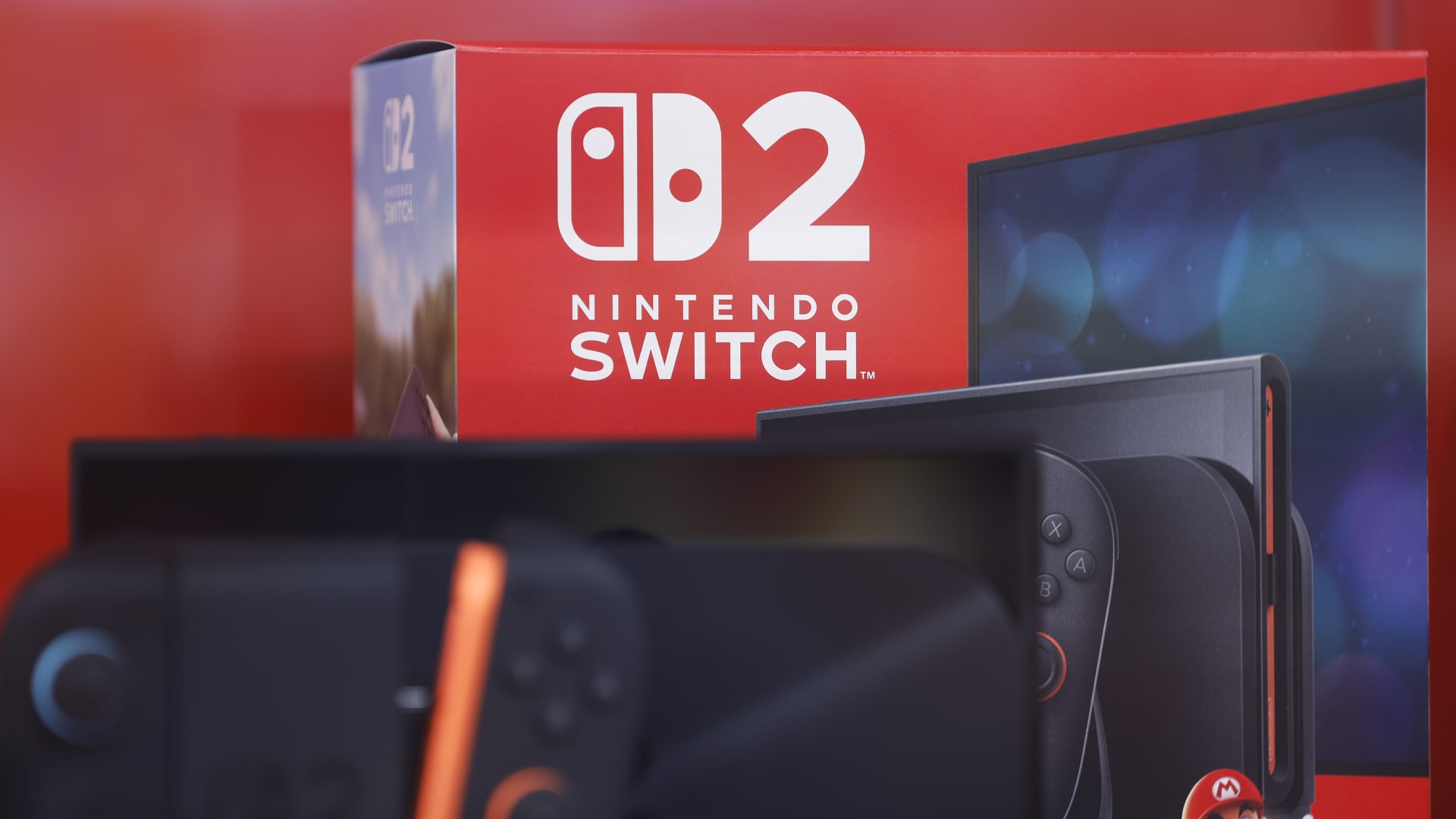
Sales of Nintendo’s flagship Switch 2 fell 41% in its fiscal second quarter, according to CNBC Markets, as the Japanese gaming company faced rising memory costs and implemented price increases. The report places the sales decline against a backdrop of pressure on both the cost of producing the console and the price consumers pay.
The supplied account says the sales drop followed Nintendo’s price hikes, but it does not identify the comparison period used for the 41% figure. It also does not specify whether that percentage measures units sold or sales revenue, a distinction that limits how precisely the decline can be interpreted.
The report identifies soaring memory costs as part of the backdrop to Nintendo’s pricing decisions. It provides no component-cost figures, however, and does not establish how much of those increases Nintendo passed on to customers or how much the company absorbed. That leaves the scale of the underlying cost pressure unclear.
For Nintendo, the situation highlights the tension between protecting earnings on each console and keeping the system affordable enough to attract buyers. Higher prices can help offset more expensive components, but they can also make a purchase less appealing. The supplied account does not quantify either effect on the Switch 2’s quarterly performance.
The timing of the decline raises questions about consumers’ willingness to buy the console at higher prices, without establishing that pricing alone caused the drop. The brief report does not separate the influence of price changes from other potential factors affecting purchases. It therefore offers a narrower picture than a full assessment of demand would require.
The distinction matters because a single quarterly sales change does not, by itself, explain the longer-term trajectory of a gaming platform. Understanding that trajectory would require a clear comparison base and more detail about the sales measure. Neither appears in the supplied material, so the 41% figure should be read with those limitations in mind.
The financial consequences are similarly difficult to assess from the sales decline alone. The account does not include profit figures, margins or an updated sales forecast, leaving open how higher prices and component expenses affected Nintendo’s overall results. A drop in sales and a rise in production costs can create different pressures that require separate examination.
The next question is whether Nintendo can sustain demand while managing the memory-cost squeeze described in the report. Further company disclosures on unit sales, pricing and profitability would help clarify whether the quarter reflects a temporary slowdown or a more persistent challenge. For now, the reported decline signals pressure without establishing its duration or full financial impact.
Primary source: CNBC Markets. Newzly rewrites and structures source reporting for clarity; verify critical details at the original.