No 10 clarifies Burnham’s position after EU free movement comments
Downing Street has sought to clarify Andy Burnham’s position on EU freedom of movement after weekend interviews raised questions about how far he wants to reshape Britain’s relationship with Brussels.
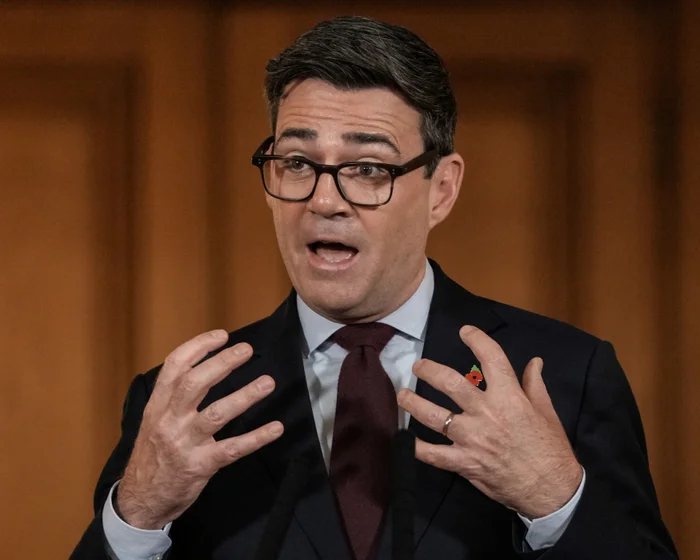
Downing Street has sought to clarify Andy Burnham’s stance on freedom of movement with the European Union after comments by the prime minister triggered speculation about Britain’s future relationship with Brussels. The intervention followed weekend interviews in which Burnham called for an “honest discussion” about the issue.
According to the Guardian, a Downing Street spokesperson said Burnham was not proposing a return to freedom of movement or endorsing another option. That clarification distinguishes his invitation to debate the relationship from an announcement that the government intends to change the rules governing movement between Britain and the EU.
The immediate political question is how much should be read into Burnham’s willingness to discuss the subject. His remarks brought renewed attention to the potential scope of closer relations with Brussels, but an expression of openness to discussion does not, by itself, establish which arrangements a government would ultimately pursue.
Freedom of movement sits at the intersection of the two issues raised by the controversy: Britain’s relationship with the EU and the conditions under which people can move between them. As a result, language about reconsidering that relationship can generate questions extending beyond the specific words used in an interview, particularly when no detailed proposal accompanies them.
The episode also illustrates the importance of distinguishing political signals from policy commitments. A prime minister’s call for a discussion can suggest that a subject is open for consideration, while leaving unresolved whether any change is desired, what form it might take and how it would be put into practice.
For those following the UK-EU relationship, the clarification therefore narrows the immediate conclusion that can be drawn from the interviews. Burnham’s comments have prompted debate about closer ties, but the reported response from Downing Street does not support treating those comments as a decision to restore freedom of movement.
The uncertainty concerns the destination of the discussion rather than simply whether it should take place. Any assessment of a future shift would need to distinguish between an invitation to consider alternatives, a stated government preference and a concrete proposal; the material supplied establishes the first, not a completed progression through all three.
Attention now turns to whether Burnham provides a more detailed explanation of the relationship he wants Britain to have with the EU. Until further proposals emerge, the central point remains limited but politically significant: his interviews have opened questions about the possible direction of policy, while Downing Street has sought to prevent that debate from being mistaken for an announced change.
Primary source: The Guardian Business. Newzly rewrites and structures source reporting for clarity; verify critical details at the original.