No Clear Winner Emerges from Tightly Contested New Zealand Election
Preliminary results in New Zealand's general election have left parliament tightly divided with no clear winner, paving the way for weeks of intensive coalition negotiations to determine the next government.
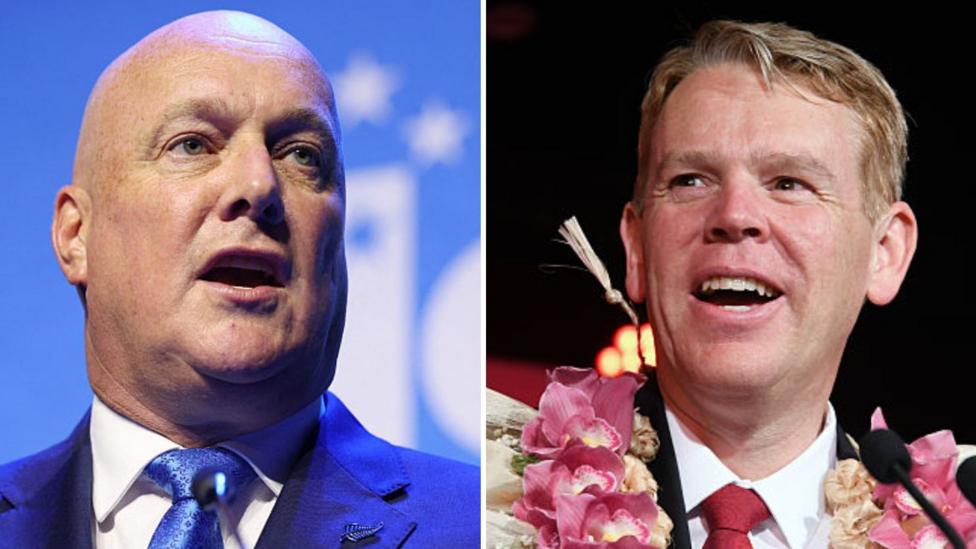
Preliminary results from New Zealand's general election have pointed to a tightly divided national parliament, leaving no political party with a clear mandate to claim victory outright. The razor-thin margins revealed on election night have left the country facing an uncertain political horizon. With neither side commanding an absolute majority, party leaders are bracing for a protracted negotiation process to determine who will govern.
According to early tallies, weeks of intense coalition talks could now follow as rival factions attempt to cobble together a workable parliamentary majority. Under the nation's mixed-member proportional voting system, split outcomes often require multi-party negotiations before any alliance can reach the necessary threshold. The immediate aftermath has placed heightened attention on minor parties whose backing could prove decisive.
The election returns underscored deep ideological and regional divisions across the electorate, reflecting widespread debate over the country's economic path and domestic priorities. Neither the incumbent governing bloc nor the primary opposition managed to win enough seats on their own to declare an immediate victory. As a consequence, both major camps must now seek external partners to satisfy the constitutional requirements for forming a cabinet.
Electoral officials caution that preliminary returns remain provisional while official counts and special ballots are processed over the coming days. In past elections, late-counted special votes have altered the final distribution of parliamentary seats, occasionally flipping tightly contested electorates or altering party vote percentages. Because the margins are exceptionally slim, party strategists are proceeding cautiously until final official figures are verified.
The prospect of a lengthy government formation process comes at a critical juncture for national policy and economic planning. Voters headed to the polls amid persistent concerns regarding the cost of living, housing affordability, and the resilience of public infrastructure. Protracted bargaining behind closed doors could delay urgent legislative action and create short-term uncertainty for markets and businesses seeking clarity on policy direction.
Any successful coalition agreement will demand substantial policy compromises between prospective governing partners. Negotiators must navigate contrasting platform commitments, reconciling divergent views on taxation, government spending, and social programs. Observers note that these discussions typically involve detailed policy trade-offs, formal coalition agreements, and the allocation of key ministerial portfolios to secure stable legislative support.
Until a coalition agreement is finalized and presented, the incumbent government will operate under established caretaker conventions. Under these established constitutional rules, the existing executive handles routine state business and unexpected emergencies but avoids making major policy or budgetary changes that could tie the hands of an incoming administration. This framework ensures administrative stability while party leaders test various alliance configurations.
The highly fragmented outcome mirrors broader trends in parliamentary democracies worldwide, where shifting voter allegiances increasingly preclude decisive single-party rule. While coalition governance is well established in the country's modern political history, negotiating terms among ideologically diverse parties can test the patience of an electorate seeking clear direction. Reaching durable agreements often requires balancing ambitious campaign promises with pragmatic governance realities.
In the days ahead, party leaders and their negotiating teams are scheduled to hold preliminary strategy sessions before formal bilateral talks begin. The political spotlight will remain firmly fixed on negotiations until a viable group can demonstrate the confidence of the house and officially form the next government. For now, the nation remains in political suspense as the arithmetic of parliament dictates the long road to a functional administration.
Primary source: BBC World. Newzly rewrites and structures source reporting for clarity; verify critical details at the original.