Nordstjernen, Northstar, Southstar: minimalist webbrowsers in C and Rust
Three new lightweight browsers written in C and Rust aim to challenge the dominance of major browser engines.
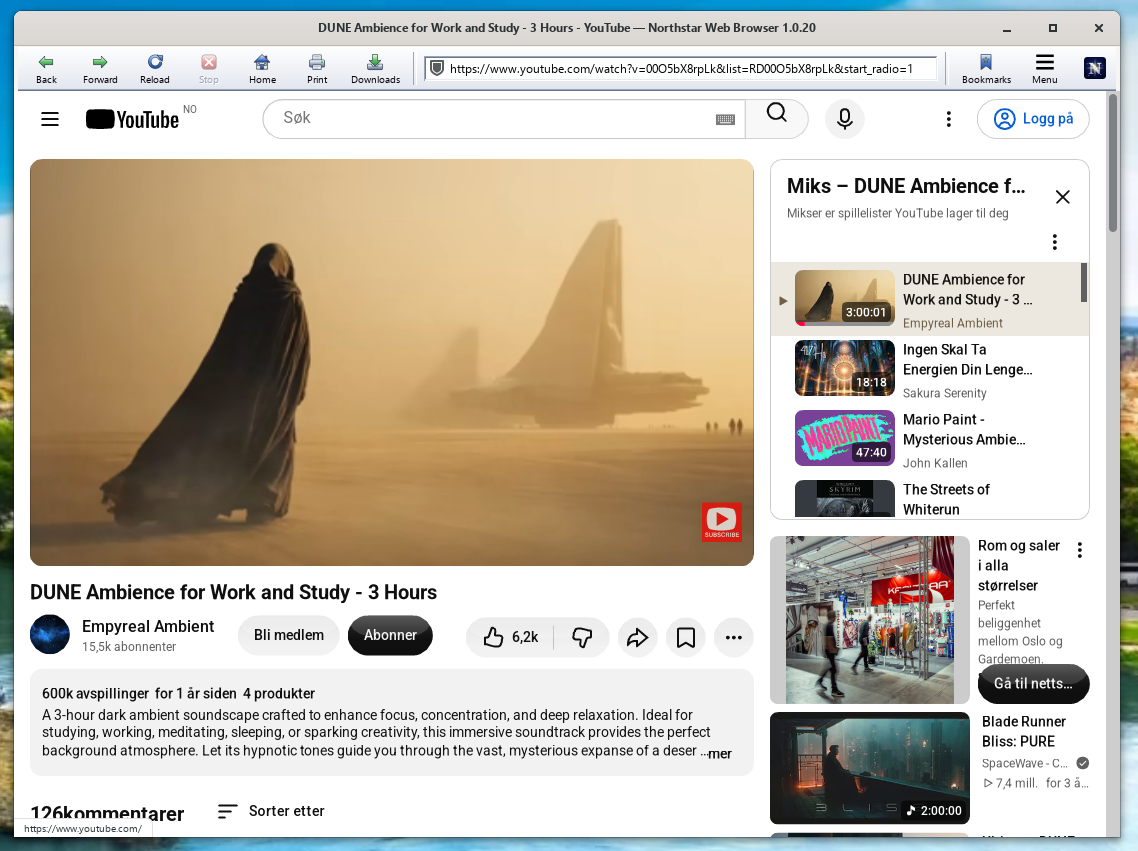
A trio of new web browsers built with minimalism and performance in mind have emerged from the developer community. Nordstjernen, Northstar, and Southstar are each written in either C or Rust, aiming to offer lightweight alternatives to established browser engines.
These projects are part of a growing trend among developers who want to rethink how browsers function. Unlike traditional browsers that include extensive features and complex architectures, these new efforts focus on core web functionality with reduced resource usage.
Nordstjernen, developed in C, is designed to be a minimal browser that prioritizes speed and simplicity over feature bloat. Northstar and Southstar take similar approaches but are built using Rust, a systems programming language known for its safety and performance characteristics.
The development of these browsers comes amid increasing scrutiny of major browser engines' resource consumption and complexity. As users become more conscious about privacy and system performance, lightweight alternatives have gained attention.
Each browser project is still in early stages, with limited functionality compared to mainstream offerings like Chrome or Firefox. However, their creators are focused on building solid foundations that could potentially evolve into more robust platforms.
The use of C and Rust in these projects reflects a desire to maintain control over performance and security aspects. These languages offer developers fine-grained control while providing memory safety features that reduce vulnerabilities.
While they currently lack the polish and compatibility of established browsers, these minimalist efforts demonstrate how open-source communities can innovate in unexpected ways. Their potential impact will depend on community adoption and continued development.
The browser landscape continues to evolve, with new entrants challenging traditional models. These projects may serve as proof that simpler approaches can still meet user needs effectively.
Whether these browsers will gain significant traction remains to be seen, but their existence highlights the ongoing innovation in web technology and the desire for more efficient solutions.
The developers behind these projects are focused on building solid foundations rather than rushing to market. Their long-term vision includes expanding functionality while maintaining performance and simplicity.
As the web continues to grow in complexity, there's a growing demand for tools that can handle modern standards without sacrificing speed or efficiency. These minimalist browsers may represent one path forward in meeting that demand.
Primary source: Hacker News. Newzly rewrites and structures source reporting for clarity; verify critical details at the original.