North Carolina Coast Grapples With Significant Flooding Following Severe Nor'easter
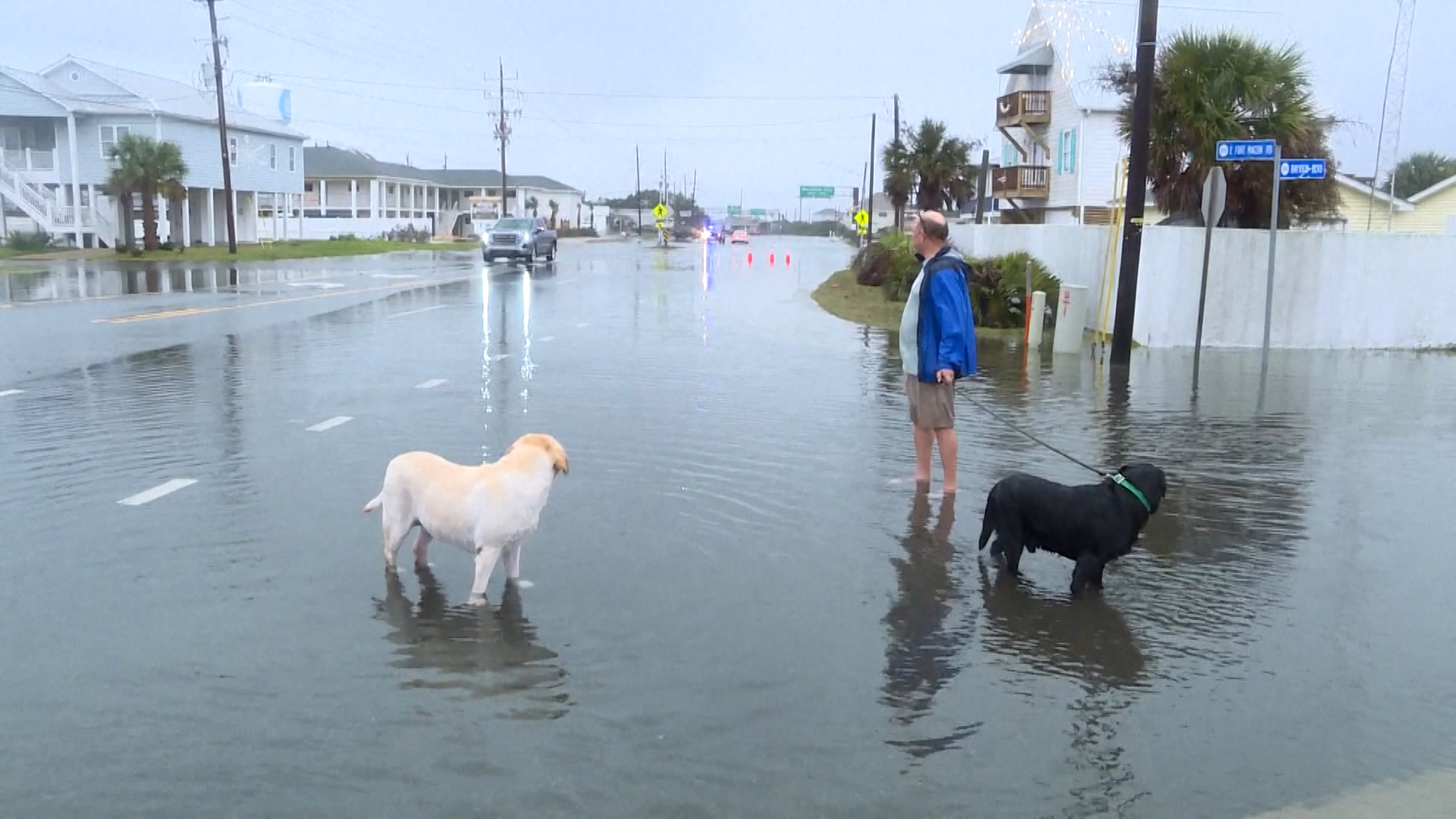
A potent nor'easter has triggered substantial coastal flooding across eastern North Carolina, inundating low-lying roadways and stranding beach communities under high surf and severe storm surge.
In this piece
A powerful nor'easter has brought severe coastal flooding and dangerous surf to eastern North Carolina, submerging vulnerable roadways and disrupting coastal…
A powerful nor'easter has driven significant coastal flooding across eastern North Carolina, sending ocean water and sound-side storm surges spilling into vulnerable shore communities. The intense low-pressure system generated heavy surf, gale-force wind gusts, and relentless rain, inundating low-lying roads and prompting hazardous travel conditions throughout the coastal zone. Local broadcasters and emergency monitors reported that water levels rapidly surged during peak astronomical tides, leaving several neighborhoods temporarily isolated.
Transportation officials and local law enforcement reported substantial disruptions along critical coastal routes, where deep standing water and ocean overwash deposited sand and debris across lanes. In several exposed sectors, maintenance crews were deployed to clear blockages and assess pavement stability once waters began receding. Motorists were advised to avoid submerged thoroughfares, as local authorities warned that salt water and hidden roadbed washouts posed severe risks to vehicles.
The damaging conditions stemmed from a classic nor'easter that intensified off the Mid-Atlantic coast, creating a prolonged fetch of strong northeast winds directly targeting the Carolina shoreline. These onshore winds effectively pinned water against barrier islands and inside shallow coastal sounds, preventing normal drainage cycles between tidal peaks. As a consequence, high tide cycles brought successive pulses of overwash that overwhelmed drainage ditches and natural dune barriers.
North Carolina's outer coastline has long been among the most storm-exposed stretches of shoreline in the United States, shaped by shifting barrier islands and narrow strips of sand. In communities where protective dunes had already been weakened by prior autumn storms, the nor'easter found little resistance. Seawater rushed through breached dune lines, pooling in low-lying properties and washing over ground-level structures in beachfront neighborhoods.
The flooding brought immediate commercial and domestic disruptions, stalling daily commerce and complicating routine travel during an active seasonal transit window. Small businesses, service establishments, and residential properties faced water intrusion, leading owners to deploy sandbags and pump equipment to mitigate damage. For regional ferry services and coastal transit networks, suspended routes and hazardous docking conditions temporarily severed key links between island enclaves and mainland terminals.
Beyond the immediate flooding of roadways, local environmental specialists and municipal planners noted the cumulative toll on regional infrastructure. Repeated overwash events accelerate coastal erosion, compromise septic systems, and undermine utility lines buried beneath sandy shoulders. Each successive storm diminishes the buffer between residential dwellings and the encroaching Atlantic surf, increasing the urgency of long-term coastal management strategies.
Emergency management agencies maintained close coordination with municipal officials to monitor water levels and assist residents in flood-prone districts. First responders reiterated safety advisories, cautioning against driving through barricaded sections or wading in contaminated floodwaters. Relief teams prioritized the preservation of critical supply corridors and monitored vulnerable structures threatened by wave action.
As the center of the low-pressure system began tracking northeastward away from the state, winds began to slowly diminish, allowing floodwaters to stabilize and gradually recede. Heavy equipment operators initiated the arduous task of pushing displaced sand off major road corridors and opening clogged drainage culverts. Local authorities emphasized that full damage assessments would take several days to complete as water slowly drained from saturated lowlands.
Regional meteorologists and local news outlets advised coastal residents to remain vigilant through subsequent high tide cycles, noting that residual sound-side flooding could persist even after the core storm moves offshore. Long-term recovery efforts are set to focus on beach nourishment needs, infrastructure reinforcement, and evaluating structural stability along the most exposed beach fronts. For now, communities along North Carolina's coast are concentrating on cleanup while keeping a cautious eye on winter weather patterns ahead.
Primary source: Google News North Carolina. Newzly rewrites and structures source reporting for clarity; verify critical details at the original.