NSS Mobilises Over 87,000 Youth in Block-Level Sports Meets to Combat Substance Abuse
The National Service Scheme organised nearly 1,000 block-level sports meets across India, mobilising over 87,000 youth volunteers and community members to champion fitness and fight substance abuse.
In this piece
Under the Union Youth Affairs Ministry's Nasha Mukt Yuva campaign, the National Service Scheme hosted 992 sports events across India to combat substance abuse.…
The National Service Scheme, functioning under the Ministry of Youth Affairs and Sports, has organised nationwide block-level sports meets aimed at mobilising young people against substance abuse. Held as part of the broader 100-week Nasha Mukt Yuva for Viksit Bharat Sankalp Abhiyan, the initiative engaged tens of thousands of participants across the country. The events sought to channel youth energy into athletics while instilling community-wide awareness about the dangers of addiction.
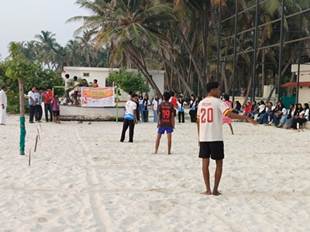
According to official figures released by the ministry, the grassroots sports drive mobilised 87,481 student volunteers, youth club members, and local community spectators. These gatherings spanned more than 130 educational institutions operating under multiple NSS Regional Directorates. Organisers coordinated nearly 992 separate sporting events, creating accessible platforms for physical competition and public outreach at the block level.
The sports meets were scheduled under Month 3 of the national campaign, which carries the dedicated theme of "Strong Communities, Healthy Youth." Program coordinators designed the monthly framework to underscore how structured physical activity, peer support, and team dynamics can build resilient local communities. By anchoring anti-substance messaging within recreational spaces, the campaign positions health and collective well-being as vital pillars of national development.
Athletic competitions featured a diverse mix of track and field events, popular team disciplines, and regional recreational traditions. Participants competed in track sprints covering 100-metre and 400-metre distances, alongside community marathons that drew wide public involvement. Standard team sports included volleyball, football, basketball, kabaddi, and kho-kho, allowing collegiate and rural youth to collaborate on the field.
In addition to formal Olympic and national sports, organisers integrated an array of traditional and indigenous games into the block-level meets. Contests featured tug of war, lemon races, rumal jhapat, and unique localized island sports adapted to specific geographic settings. Officials noted that incorporating familiar folk games helped dismantle social barriers, ensuring broader participation from diverse community groups who might not otherwise join formal athletic leagues.
A central highlight of the nationwide initiative was the substantial involvement of young women across both athletic contests and informational forums. More than 42,190 female participants actively took part in the games and corresponding anti-addiction awareness drives. Organisers emphasised that empowering young women as community ambassadors is crucial for sustaining preventive education against narcotics, tobacco, and alcohol within families and neighborhoods.
To reinforce the core message of the drive, sporting fixtures were directly paired with systematic anti-substance educational interventions. Every competition commenced with collective anti-addiction pledges administered to athletes, coaches, and spectators before matches got underway. Field coordinators led discussions detailing the physical, social, and psychological harms linked to drugs, alcohol, and tobacco use, offering students actionable guidance on resisting peer pressure.
Youth mobilisation programs have increasingly become a focal point of India's multi-pronged strategy to combat rising substance abuse risks among young demographics. Public health experts and youth development authorities emphasize that passive warning campaigns are often less effective than proactive community engagement. By connecting drug-free commitments directly with physical fitness and competitive sports, the program creates positive peer environments that discourage self-destructive habits.
As the 100-week Nasha Mukt Yuva for Viksit Bharat Sankalp Abhiyan moves forward, the Directorate of MY Bharat-NSS plans to maintain regular community touchpoints through phased monthly thematic initiatives. Forthcoming phases will continue to leverage regional institutions and volunteer networks to expand preventive outreach across underserved districts. Ministry authorities project that sustaining grassroots participation throughout the multi-year mission will foster enduring, addiction-free habits among the nation's rising generation.
Primary source: Google News Lakshadweep. Newzly rewrites and structures source reporting for clarity; verify critical details at the original.