NYC Student Research Explores Biodegradable Sporks to Cut School Plastic Waste
A research project by Bronx High School of Science student Juliet Falk, highlighted by Bluedot Living, examines how replacing disposable cafeteria cutlery with biodegradable sporks could curb plastic waste across New York City schools.
In this piece
A student sustainability project spotlighted by Bluedot Living investigates the environmental benefits of replacing single-use plastic cutlery with…
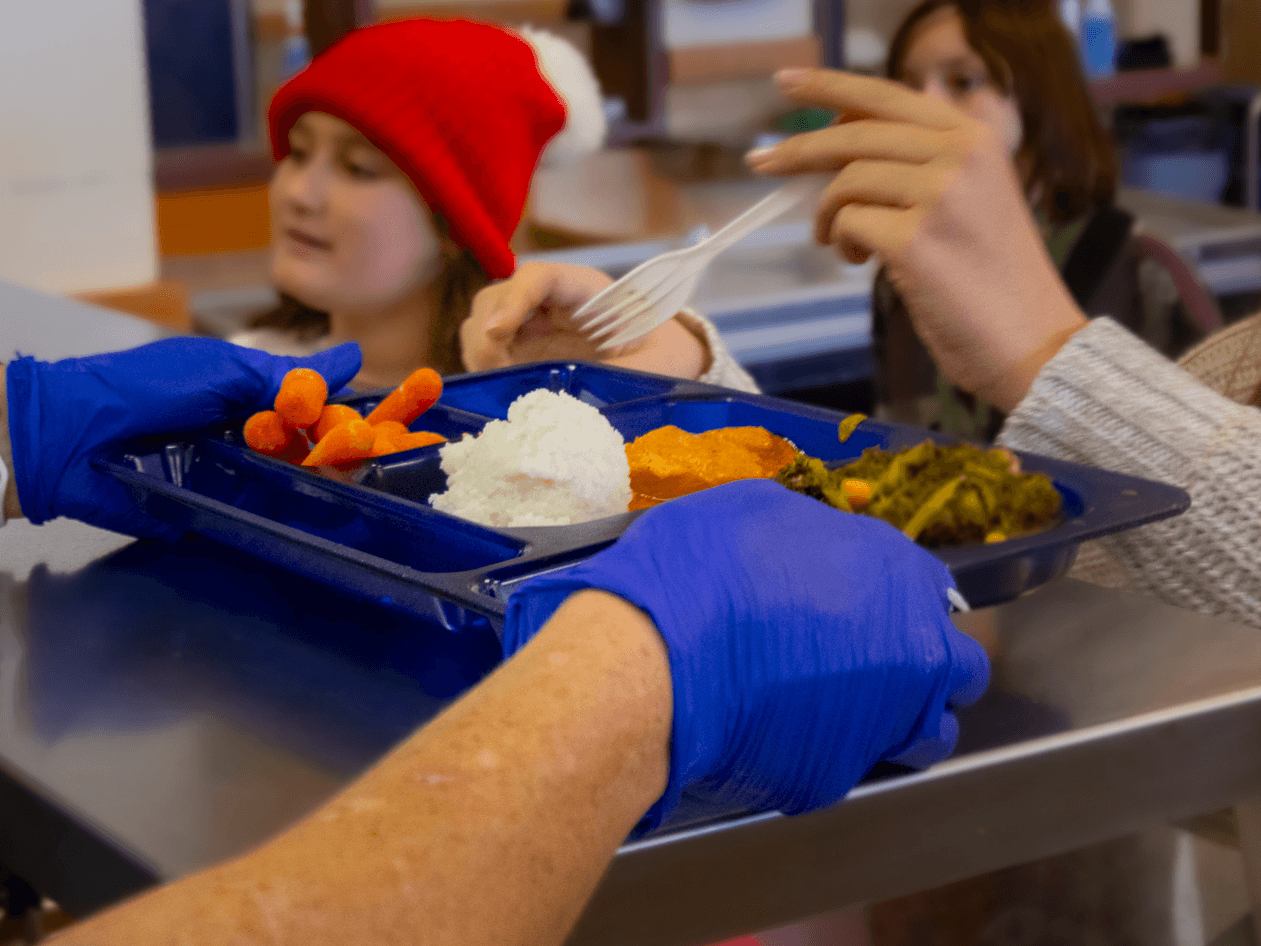
A student-led sustainability project spotlighted by Bluedot Living is examining whether switching to biodegradable sporks could significantly reduce single-use plastic waste across New York City public schools. The initiative, spearheaded by Bronx High School of Science student Juliet Falk through the Bluedot Institute, targets the high volume of disposable plastic utensils distributed daily in school cafeterias.
Falk's research focuses on replacing conventional cafeteria cutlery sets—often individually wrapped plastic forks, spoons, and knives—with a single multifunctional utensil made from biodegradable materials. By analyzing student dining habits and cafeteria operational logistics, the proposal seeks to demonstrate how a simple design substitution can cut plastic waste at the source.
As part of the research effort, Falk conducted surveys among peers and faculty to evaluate community awareness and gauge practical support for green cafeteria alternatives. The findings indicate widespread student and teacher openness to sustainable dining alternatives, though logistical efficiency and meal service speeds remain practical considerations for school administrators.
New York City operates the largest public school district in the United States, serving hundreds of thousands of meals to students every single school day. In traditional cafeteria setups, millions of plastic utensils and wrappers are discarded weekly after a single brief use, contributing to the municipality's broader solid waste and landfill burdens.
The project arrives alongside wider municipal efforts in New York to curtail single-use plastics and encourage composting and organic waste collection across public facilities. While city agencies have explored various waste diversion targets in recent years, implementing uniform material shifts across more than a thousand public school campuses presents complex procurement and operational hurdles.
A spork combines the capabilities of a spoon and a fork into one compact piece, immediately cutting utensil production volume and packaging requirements in half or more. When manufactured from certified biodegradable or compostable matter rather than petroleum-based resins, such alternatives offer the potential to break down naturally rather than lingering in municipal waste streams for decades.
Environmental researchers note that the effectiveness of biodegradable alternatives often depends on local waste processing infrastructure and commercial composting availability. Without dedicated sorting protocols and industrial composting pipelines, compostable utensils can end up mixed into regular trash streams, underscoring the necessity of comprehensive school-wide waste management systems.
Beyond potential waste reductions, grassroots initiatives like Falk's highlight the role of youth environmental education in driving institutional change. Engaging students directly in environmental research encourages civic participation and allows young advocates to identify tangible sustainability solutions within their own daily environments.
While any district-wide policy adoption would require formal evaluation, pilot testing, and coordination with city education authorities, student-driven research continues to inform local dialogues on cafeteria sustainability. Bluedot Living and similar environmental platforms emphasize that student research projects serve as valuable testing grounds, illustrating how small operational modifications might inform larger municipal sustainability strategies going forward.
Primary source: Google News New York. Newzly rewrites and structures source reporting for clarity; verify critical details at the original.