Odisha Government Awards Rs 2,000 Crore Infrastructure Projects to OBCC
The Odisha Works Department has signed an agreement tasking the Odisha Bridge and Construction Corporation with delivering Rs 2,000 crore worth of healthcare, transit, and heritage infrastructure projects for 2026–27.
In this piece
The Odisha government has entrusted the Odisha Bridge and Construction Corporation with infrastructure projects worth Rs 2,000 crore for fiscal year 2026–27.…
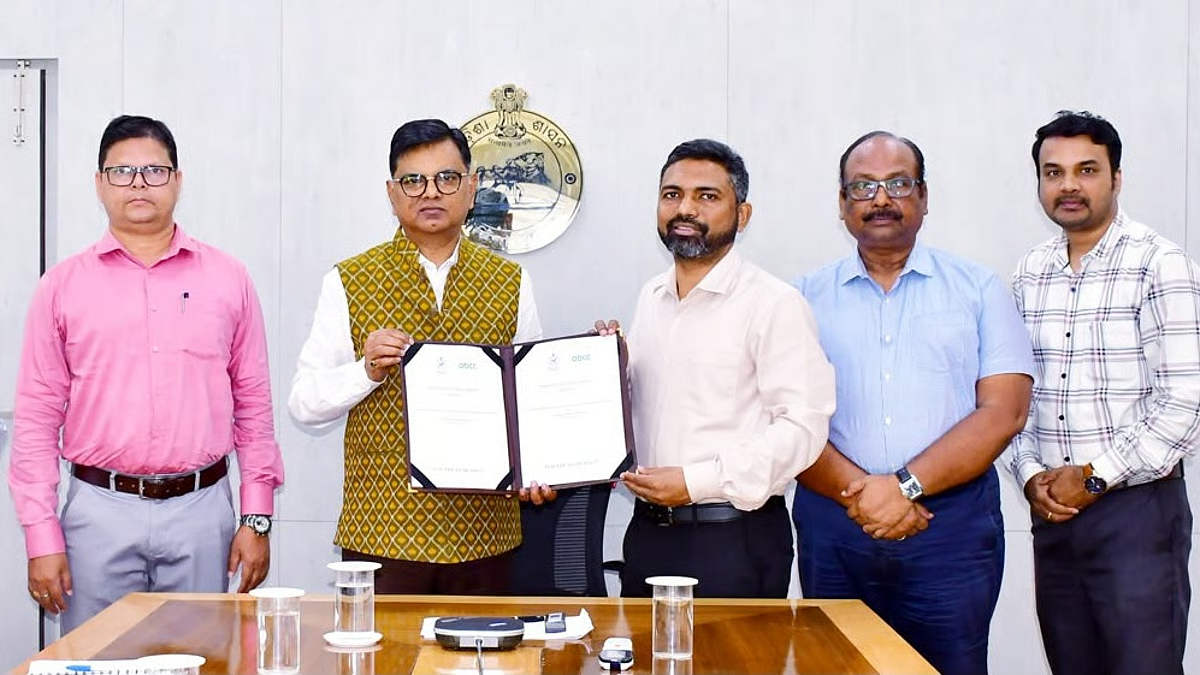
The Odisha government's Works Department has signed a Memorandum of Understanding with the Odisha Bridge and Construction Corporation Limited, entrusting the state-run agency with key infrastructure projects valued at Rs 2,000 crore for the 2026–27 fiscal year. The formal agreement sets in motion an extensive portfolio of developmental initiatives designed to upgrade public infrastructure and boost regional connectivity across multiple sectors.
Under the agreement, the corporation will oversee the planning, engineering, and execution of diverse construction ventures spanning civic amenities, cultural heritage sites, transportation links, and healthcare institutions. The initiative represents a concerted push by the state administration to centralize and expedite large-scale public engineering contracts through an experienced state enterprise.
A primary thrust of the project mandate involves comprehensive infrastructure expansion and modernization at premier medical colleges and hospitals in the state. Upgrades are slated for SCB Medical College and Hospital in Cuttack, Veer Surendra Sai Institute of Medical Sciences and Research in Burla, and MKCG Medical College and Hospital in Berhampur to enhance patient intake capacity and clinical facilities.
Significant capital will also be deployed into road connectivity, flyovers, and critical river crossings to ease urban congestion and improve inter-district freight movement. Projects include the construction of a flyover along the Jayadev Vihar–Nandankanan corridor in Bhubaneswar, another at Gate Bazar in Ganjam, and the Barbil Ring Road to support heavy vehicular transit in mineral-rich zones.
In addition to urban corridors, the agreement designates the corporation to construct several high-level bridges across major river systems, including the Kathajodi, Brahmani, Baitarani, and Kharasrota rivers. Modern bus terminals will simultaneously be erected at strategic transport nodes to improve passenger transfers and regional transit reliability.
Heritage tourism and the beautification of historic pilgrimage destinations form another cornerstone of the Rs 2,000-crore portfolio. The plan encompasses ongoing and new development at the Ekamra Kshetra Project in Bhubaneswar, alongside extensive works around Maa Tarini Temple in Ghatgaon and Maa Samaleswari Temple in Sambalpur.
Additional religious and cultural centers included in the infrastructure mandate are Maa Sarala Temple in Jagatsinghpur, Shunya Mandir in Joranda, and the Maa Ugratara and Maa Bhagabati temples in Khordha district. State planners intend these targeted interventions to balance pilgrim amenities, crowd management, and architectural conservation.
Beyond transport and heritage, the memorandum outlines key investments in grassroots civic convenience and agricultural logistics across Odisha. The corporation has been tasked with erecting model Dhan Mandis to streamline post-harvest grain procurement for farmers, as well as developing a Jan Ashraya Bhawan in Bhubaneswar and a Regional Plant Resource Centre in Keonjhar.
Assigning these massive undertakings to the specialized state corporation reflects the government’s reliance on dedicated public sector entities to deliver complex civil engineering works. By channeling major projects through an established state agency rather than fragmented departmental arms, the administration seeks greater accountability, standardized quality control, and adherence to project timelines.
Moving into the upcoming fiscal cycle, the Works Department and project engineers are expected to finalize engineering designs, float technical tenders, and establish phased monitoring mechanisms. Successful delivery of the Rs 2,000-crore pipeline is seen as pivotal to fulfilling Odisha’s broader agenda of balanced regional growth and resilient public infrastructure.
Primary source: Google News Odisha. Newzly rewrites and structures source reporting for clarity; verify critical details at the original.