Odisha Records 17,250 College Dropouts Over Three Years Despite Free Education Policy
More than 17,000 students dropped out of Odisha colleges over three academic sessions despite state tuition waivers, Assembly data revealed, highlighting deep-rooted financial hardship and migration challenges across several districts.
In this piece
Data presented in the Odisha Legislative Assembly shows that 17,250 students dropped out of higher education institutions between 2023 and 2026. Despite…
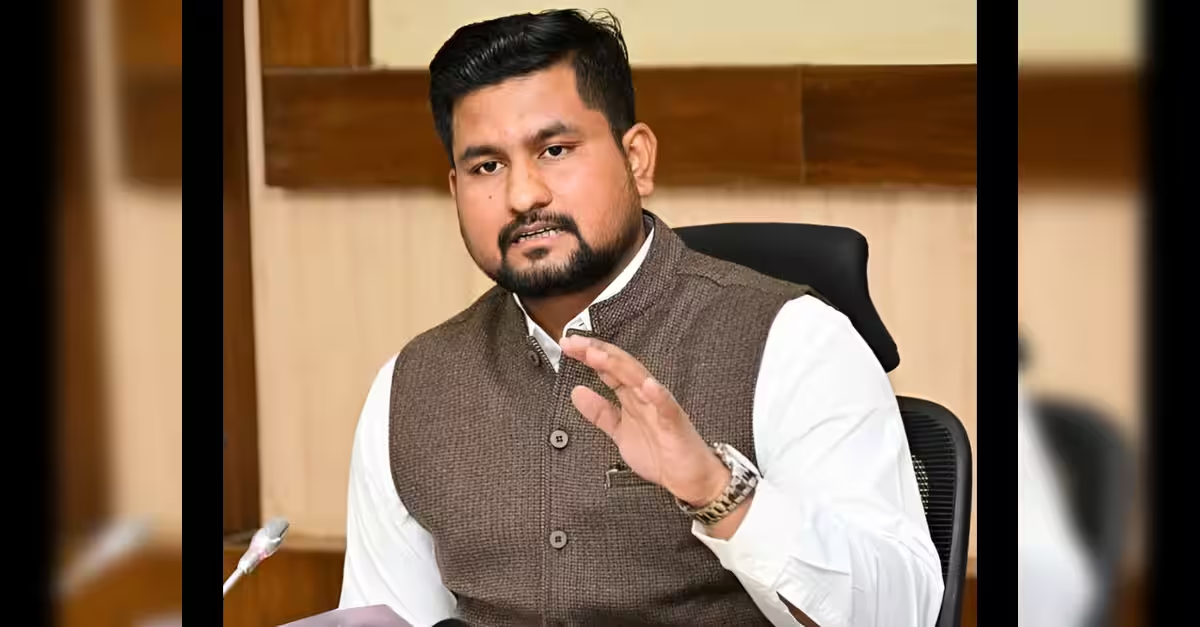
More than 17,000 students dropped out of colleges and universities across Odisha over the past three academic years, according to government records presented to the state legislature. The figures were disclosed by Higher Education Minister Suryabanshi Suraj in a written reply to the Odisha Legislative Assembly, detailing widespread attrition across degree-granting institutions.
The official records show that 17,250 undergraduates left their studies prematurely between the 2023–24 and 2025–26 academic sessions. The state recorded 5,389 college dropouts during the 2023–24 academic year, followed by an increase to 6,402 dropouts in 2024–25. In the 2025–26 academic period, departures remained elevated, with 5,459 students discontinuing their higher education.
Geographic data submitted to lawmakers revealed that student departures were particularly concentrated in several coastal and northern districts. Ganjam registered the highest cumulative attrition in the state, recording more than 2,000 dropouts across the three-year timeframe. Substantial mid-course departures were also documented in Mayurbhanj, Balasore, and Sundargarh.
State officials and education analysts have identified persistent socioeconomic barriers as primary catalysts behind the student exit trends. Acute household financial pressure, endemic rural poverty, and economic migration often force young adults to abandon collegiate studies to support their families. In many instances, weak foundational schooling and limited institutional mentoring further aggravate classroom disengagement.
The wave of student departures comes amid a parallel crisis of underenrolment in tertiary classrooms across Odisha. In the 2025–26 academic year alone, 79,961 undergraduate seats remained vacant across state institutions. This pattern follows consecutive years of massive seat vacancies, including 73,020 unfilled spots in 2024–25 and 85,535 vacancies in 2023–24.
The elevated attrition figures have raised critical questions because they coincide with aggressive state welfare initiatives aimed at eliminating the economic barriers to schooling. Under the government's Gyanodaya – Shiksha Ru Samruddhi framework, Odisha introduced comprehensive kindergarten-to-postgraduate free education policies. The flagship scheme waives admission and semester re-enrolment fees in state-run colleges to ensure tertiary access for underprivileged demographics.
However, education observers point out that fee exemptions address only direct institutional costs, leaving secondary expenses unmitigated. Rural undergraduates frequently struggle with peripheral expenditures such as accommodation, transportation, textbooks, and daily living costs far from home. When household incomes falter, the immediate necessity of earning a livelihood often outweighs the long-term prospects of completing an academic degree.
Uncertainty regarding post-graduate employment and career readiness has also dampened student enthusiasm for conventional humanities and general science degrees. Many rural colleges face ongoing challenges in faculty availability, digital connectivity, and laboratory equipment, making coursework difficult to sustain for struggling learners. Without dedicated remedial coaching or career counseling networks, students falling behind academically frequently opt out entirely.
In response to the assembly findings, the state administration is facing calls to review student support mechanisms and bolster on-campus retention strategies. Policymakers and student welfare advocates have urged targeted financial stipends, enhanced campus infrastructure, and localized career guidance to curb mid-degree departures. As Odisha continues to roll out its free education initiatives, education officials must determine whether financial relief alone can keep vulnerable youth enrolled in classrooms.
Primary source: Google News Odisha. Newzly rewrites and structures source reporting for clarity; verify critical details at the original.