Ohio Lawmakers Weigh Data Center Tax Incentives in Lame-Duck Session
As Ohio lawmakers convene for their post-election lame-duck session, mounting local pushback and infrastructure strains have intensified debate over whether to scale back lucrative tax incentives for massive data centers.
In this piece
Ohio lawmakers face tough choices during the lame-duck legislative session over whether to rein in tax incentives and impose new regulations on the booming data…
Ohio lawmakers returning to the Statehouse for the post-election lame-duck legislative session face pressing questions over whether to rein in state tax incentives and impose new regulations on the rapidly expanding data center industry. With the current two-year legislative session drawing to a close, state representatives and senators are weighing whether to advance lingering regulatory proposals or allow them to expire unresolved.
At the center of the legislative debate are proposals aimed at altering or scaling back Ohio's generous tax breaks that have helped attract billions of dollars in technology investments. Legislative efforts, including measures such as House Bill 646 and Senate Bill 374, have sought to trim sales and use tax exemptions for new data centers from 100% to 50% or eliminate specific subsidies outright. Lawmakers have also explored establishing state-level guardrails addressing local zoning authority, energy tariffs, and resource reporting standards.
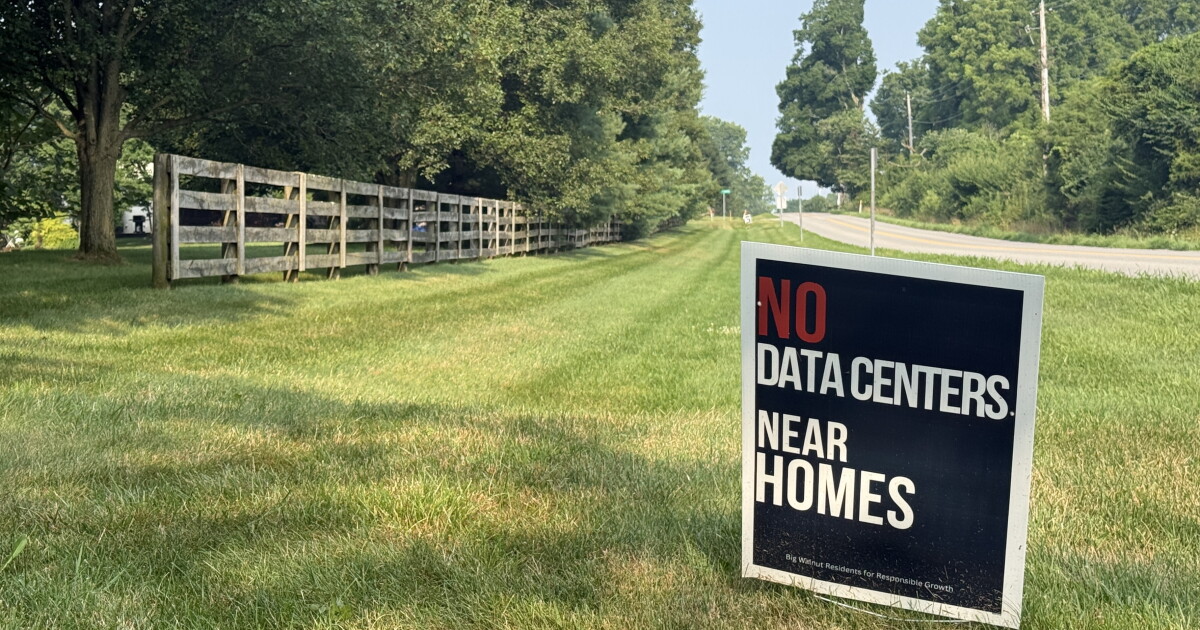
The pressure on Columbus lawmakers intensified significantly following recent local elections across the state. Voters in several Ohio municipalities and townships turned out in large numbers to approve local ballot measures that either restrict or outright prohibit new data center developments in their communities. Those ballot outcomes delivered an unmistakable signal to state leaders that public skepticism toward massive server farms is mounting at the local level.
Community opposition has largely centered on the heavy footprint modern hyperscale facilities place on surrounding resources. Residents and municipal officials have voiced persistent concerns over the enormous electricity consumption and water volumes needed to power and cool server racks for artificial intelligence and cloud computing. The potential strain on regional electric grids and the fear of rising utility costs for residential consumers have become central arguments among proponents of tighter state regulation.
Despite escalating public concern, legislative action has encountered substantial friction inside the Statehouse halls. A formidable lobbying coalition composed of tech companies, business advocacy associations, and construction labor unions continues to advocate strongly for maintaining Ohio's competitive tax framework. Proponents argue that data centers deliver monumental capital investment, support thousands of high-wage construction jobs, and significantly expand local property tax bases.
The state executive branch has also wrestled with balancing rapid economic development against long-term utility sustainability. State officials previously moved to pause certain tax exemption approvals while studying the broader implications for regional power generation and transmission capacity. Furthermore, discussions around future development standards have highlighted the need for data centers to shoulder their own infrastructure costs and prioritize brownfield redevelopment over prime farmland.
For Ohio, the legislative question reflects the broader struggle between establishing the state as a premier Midwest tech corridor and protecting local community interests. The influx of major tech operators has transformed central and western Ohio into major hubs for computing infrastructure. Yet without comprehensive statewide standards, local governments have increasingly found themselves handling complex zoning battles and utility negotiations without uniform state guidance.
Enacting complex regulatory reform during a compressed lame-duck calendar remains a formidable hurdle. Post-election legislative sessions are notoriously hurried and packed with competing priorities, making consensus difficult on bills that pit economic development goals against local government autonomy. With only a limited number of voting days remaining before the term concludes, discussions among legislative leaders continue behind closed doors.
Legislative observers note that if lawmakers fail to reach an agreement before the 136th General Assembly ends, any pending data center bills will formally die at the conclusion of the session. Such an outcome would push the contentious debate over subsidies, utility rates, and local control into the incoming legislative session next year. For now, municipal leaders and industry stakeholders alike are closely watching whether lawmakers take decisive action in the session's final hours.
Primary source: Google News Ohio. Newzly rewrites and structures source reporting for clarity; verify critical details at the original.