Oil Spill Washes Up on UAE Beaches After Tanker Strike
A significant oil slick has begun washing ashore along United Arab Emirates beaches following a strike on a commercial tanker, as satellite imagery reveals environmental damage threatening delicate coastal ecosystems and local marine wildlife.
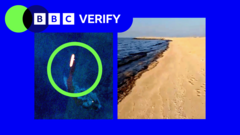
A growing oil spill has begun washing up along beaches in the United Arab Emirates following a reported strike on a commercial tanker, according to satellite monitoring and maritime reports. High-resolution satellite images demonstrate that thick slicks of crude have spread across several miles of coastal waters, reaching shorelines and triggering urgent concern among local authorities.
The imagery reveals dark plumes trailing across the water surface, moving toward sandy beaches and shallow inlets along the coast. Coastal monitoring teams and environmental observers have documented the arrival of oily residue along the shore, where tidal currents continue to deposit petroleum products onto vulnerable stretches of coastline.
While full technical details regarding the targeted vessel and the exact mechanism of the strike have not been officially confirmed, maritime trackers indicate the discharge began following an attack on a tanker operating in regional shipping corridors. Commercial traffic in surrounding waterways has faced heightened vulnerability amid regional tensions, leaving transport vessels increasingly exposed to external strikes and operational hazards.
The affected coastal areas support fragile ecosystems that are particularly susceptible to chemical contamination. Shallow bays, mangrove stands, and offshore coral formations along the Gulf coast house diverse marine populations that rely on clean, oxygenated waters for survival.
Environmental specialists emphasize that surface oil creates an immediate physical barrier that blocks sunlight and severely impairs gas exchange between the sea and the atmosphere. Local marine wildlife, including sea turtles, migrating seabirds, and endemic fish species, faces acute danger from direct contact with sticky crude, which impairs movement, damages plumage, and introduces toxic compounds into the food web.
Beyond immediate ecological harm, the arrival of oil on populated beaches introduces complex operational challenges for coastal communities. Public beach access and recreation are often curtailed when hydrocarbon residues foul sands, while municipal desalination facilities and commercial fisheries in the region routinely monitor incoming water supplies to safeguard against intake contamination.
Emergency response protocols typically involve the deployment of floating containment booms, skimmers, and absorbent barriers to corral surface oil before it embeds deeply into coastal sediment. However, shifting coastal winds and tidal fluctuations can complicate containment efforts, dispersing the slick and driving patchy sheens into shallow littoral zones where mechanical collection becomes significantly more difficult.
Satellite observation remains a central tool for assessment teams tracking the movement, volume, and trajectory of the slick in real time. Spaceborne sensors allow international analysts and maritime agencies to map the outer perimeter of the spill, providing necessary data to help emergency services anticipate which shoreline areas face the highest risk of landfall.
Moving forward, remediation teams will focus on intensive shoreline cleanup operations while investigators seek to clarify the broader circumstances surrounding the strike on the vessel. Authorities and environmental monitors are expected to maintain close surveillance of coastal waters over the coming days to gauge the long-term ecological toll and prevent further degradation of the marine habitat.
Primary source: BBC World. Newzly rewrites and structures source reporting for clarity; verify critical details at the original.