Oracle shares jump 11% as revenue outlook and funding plan ease debt fears
Oracle projected fiscal 2030 revenue of at least $225 billion and capped additional capital-market fundraising at $20 billion, giving investors greater clarity on financing its cloud expansion.
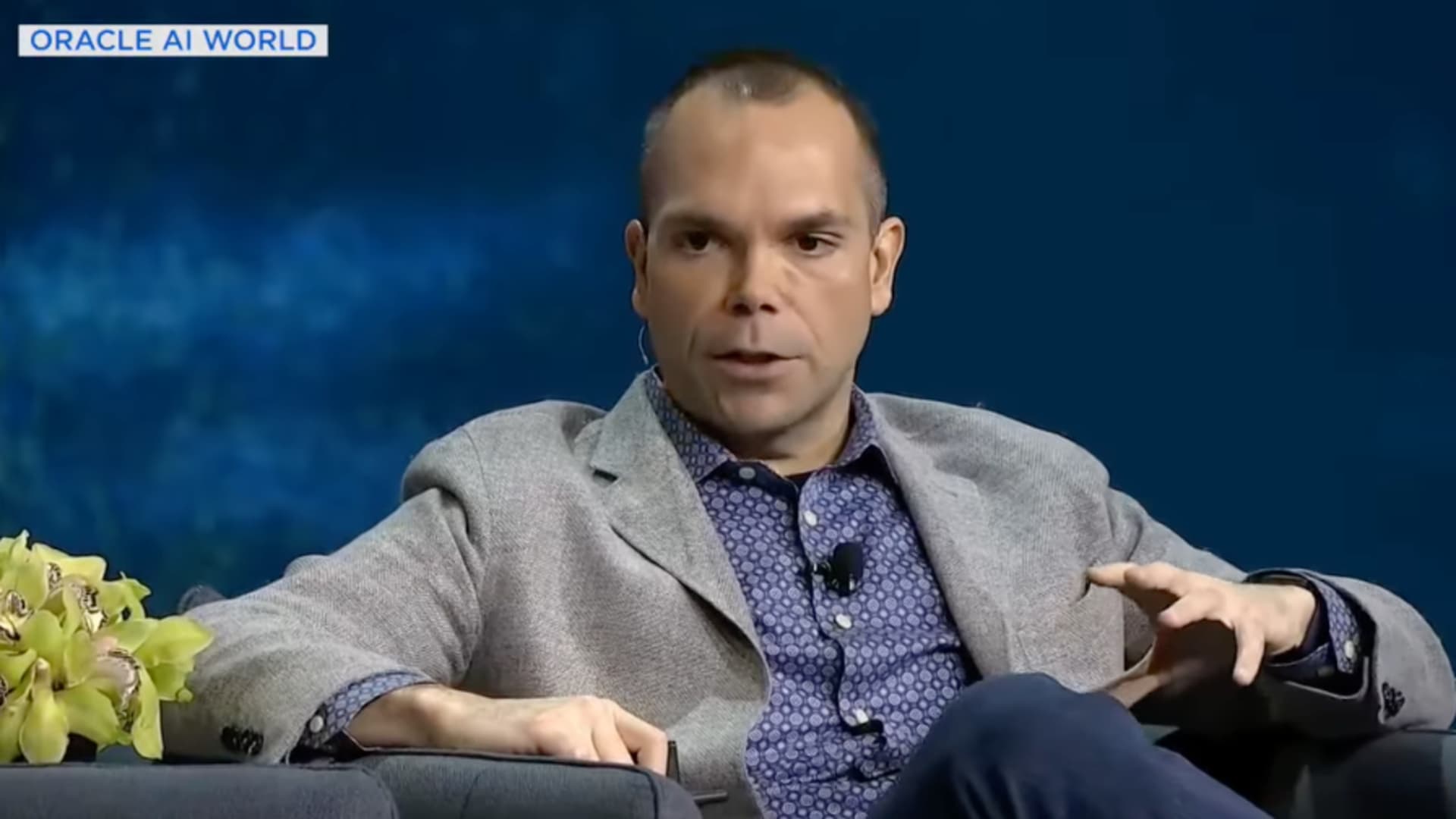
Oracle shares jumped about 11% on Wednesday after the company outlined a fiscal 2030 revenue target of at least $225 billion and said it would limit additional capital-market fundraising through that period to $20 billion. The announcements helped ease concerns about how it will finance its expansion.
The update, presented at Oracle’s October 28 investor day, addressed two connected questions for shareholders: how large the business can become and how much outside funding it will need along the way. The revenue outlook offered a growth target, while the financing commitment put a boundary around additional capital raises.
Oracle’s cloud expansion has brought substantial infrastructure requirements alongside its growth opportunities. Reuters reported that its partnership with OpenAI has added hundreds of billions of dollars to its cloud backlog, but building the capacity to fulfill those contracts has required debt and stock sales.
That makes financing an important part of the investment case, rather than a separate balance-sheet issue. Revenue commitments do not immediately generate all the cash needed to build infrastructure, leaving investors to assess how Oracle will bridge the gap between spending and customer payments.
The company expects the additional $20 billion in capital-market funding to be divided evenly between equity and gross debt. The commitment excludes refinancing existing debt and comes on top of a $20 billion equity raise completed in the first quarter of fiscal 2027.
Those qualifications matter when interpreting the funding limit. It is not a ceiling on Oracle’s total debt or all future financing transactions, and the planned equity component means the strategy still includes issuing additional shares rather than relying exclusively on internally generated cash.
Oracle said vendor financing, customer-provided hardware and customer prepayments should reduce its upfront cash requirements. These arrangements form part of its plan to support expansion while moving toward a position in which the business can finance its own growth.
The company expects capital expenditures to peak in fiscal 2027 and fiscal 2028 before declining in fiscal 2029. It projects positive free cash flow during the second half of fiscal 2028 and at least $30 billion in free cash flow in fiscal 2029, when it expects growth to become self-funded.
The stock’s advance reflected relief over the combination of growth ambitions and greater funding visibility. However, the forecasts remain targets rather than completed results, and the financing commitment does not remove the operational challenge of delivering infrastructure and converting demand into revenue.
The next test will be whether Oracle’s spending, cash generation and capital raises follow the timetable it has outlined. Oracle cautioned that its projections face risks, including securing and managing data-center capacity and executing its cloud strategy, leaving delivery against those milestones central to the outlook.
Primary source: CNBC Markets. Newzly rewrites and structures source reporting for clarity; verify critical details at the original.