Packaged Water Industry Faces Regulatory Scrutiny After Bisleri Sample Declared Unsafe
India's food safety regulator has launched a nationwide review of the packaged drinking water industry after sanctioning prosecution against Bisleri International over unsafe chemical levels found in a Goa plant sample.
In this piece
The Food Safety and Standards Authority of India is stepping up scrutiny across the packaged drinking water sector after declaring a Bisleri water sample…
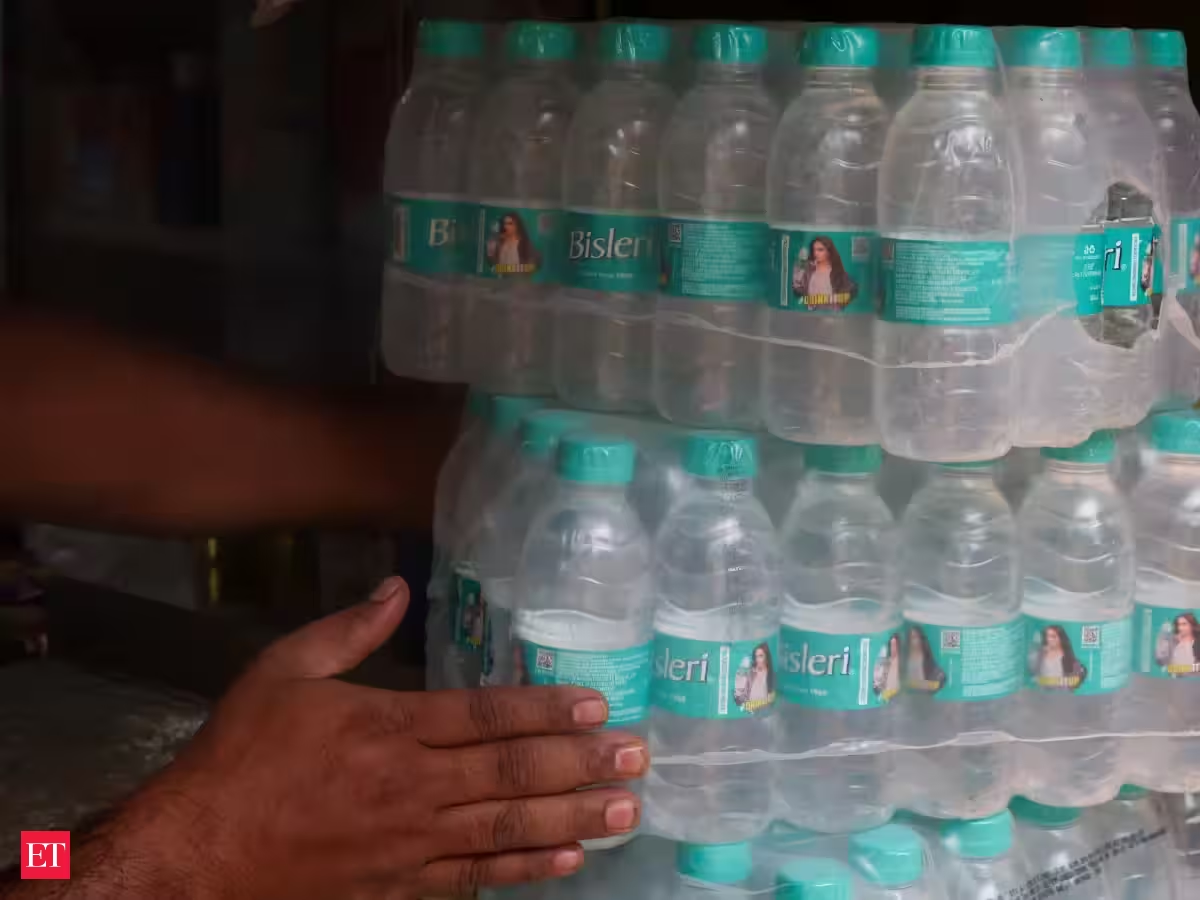
India's packaged drinking water industry faces nationwide regulatory examination after the Food Safety and Standards Authority of India initiated prosecution proceedings against market leader Bisleri International. The regulatory action followed laboratory evaluations that classified a batch of bottled water produced at the company's Goa manufacturing unit as unsafe for human consumption under the Food Safety and Standards Act of 2006.
Initial testing conducted by food safety officials detected levels of bromate reaching 12 micrograms per liter, exceeding the statutory limit of 10 micrograms per liter. Following an appeal filed by the company to challenge the initial assessment, a designated referral food laboratory separately declared the sample unsafe after detecting polynuclear aromatic hydrocarbons in the water.
Both bromate and polynuclear aromatic hydrocarbons are recognized as potential carcinogens under global health and food safety benchmarks, triggering prompt intervention from regulatory authorities. The detection of chemical contaminants in commercially distributed water strikes at the core value proposition of an industry built upon consumer perceptions of purity, filtration rigor, and reliable hygiene.
Bisleri International strongly contested the regulatory determinations, asserting that its products undergo comprehensive purification steps and remain entirely safe for commercial distribution. The beverage manufacturer emphasized that the contested findings pertain strictly to an isolated batch manufactured at a single facility in Goa, rather than representing systemic operational failures across its production network.
The company stated that it operates more than 140 processing facilities across India and that independent third-party laboratory tests commissioned on corresponding inventory yielded fully compliant results. Representatives argued that significant discrepancies between official and independent laboratory findings warrant technical re-evaluation before definitive administrative conclusions are drawn.
India's packaged drinking water market has expanded rapidly over the past two decades, driven by urban migration, rising disposable incomes, and persistent public concerns regarding municipal water infrastructure. Major institutional and retail consumers routinely rely on branded bottled water for daily hydration, corporate offices, and hospitality services, making brand trust an indispensable commercial asset.
Prompted by the findings against the country's most prominent bottled water brand, the Food Safety and Standards Authority of India has broadened its enforcement drive across the sector. Government sources indicated that regulatory inspectors have been directed to collect random commercial samples from multiple competing packaged water brands operating in various regions.
The nationwide surveillance effort seeks to verify whether manufacturing units consistently adhere to mandatory filtration, ozonation, and chemical parameter limits established under national standards. Industry observers note that processing facilities frequently face operational challenges in maintaining precise chemical balances during source water shifts and high-volume bottling operations.
As prosecution measures proceed through judicial channels, public health advocates and industry stakeholders expect regulatory authorities to tighten periodic auditing requirements for commercial bottling operations. The ultimate resolution of the legal proceedings and broader sampling results will likely shape future packaging standards and compliance protocols across India's beverage sector.
Primary source: Economic Times. Newzly rewrites and structures source reporting for clarity; verify critical details at the original.