Pakistan Climate Minister Arrives in Delhi for SCO Civilisations Dialogue Forum
Pakistan's climate minister arrived in New Delhi on Friday to lead Islamabad's delegation at the inaugural SCO Civilisations Dialogue Forum, marking the first visit by a Pakistani federal minister to India in over three years.
In this piece
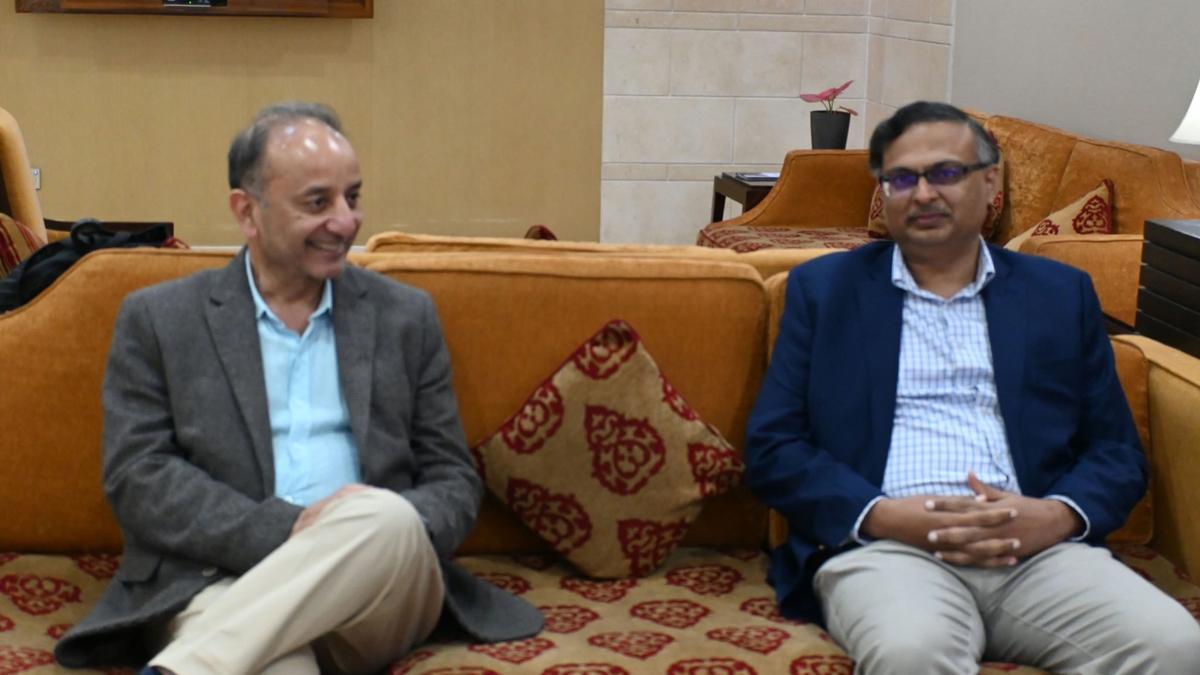
Pakistan's Federal Minister for Climate Change Dr. Musadik Masood Malik has arrived in New Delhi to participate in the Shanghai Cooperation Organisation's…
Pakistan's Federal Minister for Climate Change and Environmental Coordination, Dr. Musadik Masood Malik, arrived in New Delhi on Friday to lead Islamabad's delegation at the inaugural Shanghai Cooperation Organisation Civilisations Dialogue Forum. The three-day multilateral gathering convenes ministers, cultural envoys, and scholars from member states across Eurasia to discuss historical linkages and regional cooperation. Malik's arrival marks a rare high-level diplomatic presence in the Indian capital amid years of frozen bilateral engagements between the two neighbors.
The regional conference, scheduled from November 20 to November 22, is centered around several historic landmarks in the capital, including the iconic Purana Quila complex. The civilisations dialogue initiative was originally conceptualized and proposed by Indian Prime Minister Narendra Modi during a prior SCO summit to encourage greater inter-cultural harmony across member nations. Malik accepted an official invitation extended by India's Ministry of Culture and Tourism to represent Pakistan's cultural and environmental perspectives.
Malik's trip represents the first visit by a Pakistani federal cabinet minister to India in more than three years. The last such high-profile visit occurred in May 2023, when Pakistan's then-Foreign Minister Bilawal Bhutto Zardari traveled to Goa to attend an SCO foreign ministers' conclave. Official diplomatic exchanges between New Delhi and Islamabad have otherwise remained suspended, following years of geopolitical strains, diplomatic downgrades, and the cessation of direct bilateral trade.
Both capitals have continued to manage their engagements under strict multilateral protocols, ensuring that participation in regional forums is distinct from bilateral diplomacy. Diplomatic sources have underscored that attendance at SCO events fulfills statutory obligations under the charter rather than indicating an imminent thaw in direct bilateral relations. Despite the lack of standalone negotiations, the presence of senior leadership provides a rare venue where both nations sit alongside regional counterparts.
The visit carries added significance because Pakistan currently holds the rotating chairmanship of the SCO Council of Heads of State for the 2026 to 2027 cycle. A statement issued by Pakistan's Ministry of Foreign Affairs noted that Malik's participation reaffirms Islamabad's adherence to the "Shanghai Spirit," which champions mutual trust, equality, and regional connectivity. Pakistani officials stated that multilateral engagement remains central to addressing cross-border challenges, including environmental degradation and heritage preservation.
During the forum's working sessions, Malik is scheduled to deliver remarks highlighting Pakistan's diverse civilisational heritage and its shared historical ties with South and Central Asian nations. The discussions will also address how ancient civilisational knowledge and regional dialogue can contribute to contemporary climate adaptation strategies. Delegates from across the Eurasian bloc will examine collaborative frameworks aimed at protecting cultural monuments and promoting academic exchanges.
The event takes place within an intricate geopolitical climate that has seen direct communications between the two capitals largely reduced to essential diplomatic cables. Observers note that multilateral platforms like the SCO have become essential mechanisms for preserving basic communication channels between nuclear-armed neighbors during protracted standoffs. By adhering to international and regional treaty commitments, both sides avoid total diplomatic disengagement while navigating domestic political sensitivities.
Indian organizers have structured the three-day agenda to emphasize shared regional traditions, ancient trade routes, and mutual cultural preservation rather than contentious geopolitical disputes. High-level delegations from Central Asian republics, China, Russia, and observer states are also participating in the deliberations. The program includes academic symposiums, curated exhibitions of ancient artifacts, and collaborative working groups focused on shared cultural history.
The forum will continue through Sunday, concluding with a comprehensive working document outlining future civilisational dialogue initiatives under the SCO framework. While neither delegation has signaled plans for sideline bilateral discussions, regional analysts view the successful conduct of the visit as a pragmatic step in maintaining multilateral functionalism. The outcomes of the New Delhi meetings are expected to feed into broader ministerial agendas ahead of upcoming SCO summits.
Primary source: Google News Delhi. Newzly rewrites and structures source reporting for clarity; verify critical details at the original.