Pakistan Military Tightens Grip on Strategic Mineral Reserves Under General Asim Munir
Pakistan’s military leadership is expanding its dominance over the country’s vast mineral wealth, using state-backed investment platforms to court foreign capital while sparking fierce domestic debate over provincial autonomy.
In this piece
Pakistan's military establishment is consolidating authority over the nation's untapped mineral wealth under army chief General Asim Munir. The push aims to…
Pakistan's military establishment has significantly accelerated its involvement in the country’s natural resource sector, consolidating oversight over mining concessions and mineral reserves under the leadership of army chief General Asim Munir. The drive marks an expansive shift in the military's economic footprint, positioning senior defense leadership at the core of national resource policy.
Through platforms such as the Pakistan Minerals Investment Forum and specialized federal councils, the military has taken an active role in marketing major deposits of copper, gold, and rare earth minerals to foreign governments and multinational corporations. Military officials have framed the centralized initiative as an urgent national necessity aimed at unlocking billions of dollars in foreign direct investment to rescue a struggling economy.
To reassure hesitant global mining companies, the army has presented itself as the primary guarantor of physical security and policy continuity across remote extraction belts. Armed forces personnel and dedicated paramilitary security umbrellas are being integrated directly into regional mining corridors, specifically around sensitive installations in Balochistan and Khyber Pakhtunkhwa.
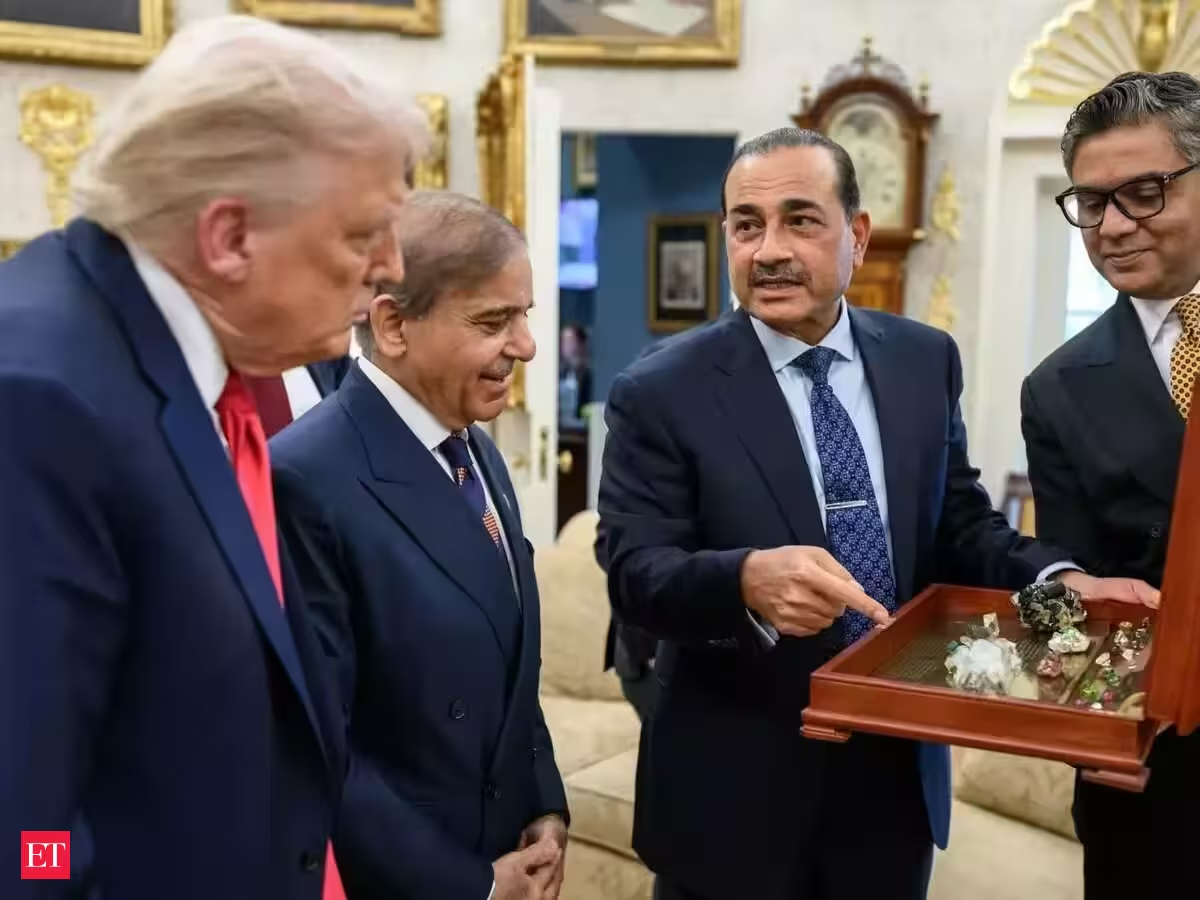
The push has extended into unconventional diplomatic territory, where defense leadership has actively engaged foreign dignitaries to pitch resource partnerships. High-profile international exchanges have featured official presentations showcasing domestic mineral specimens, illustrating how directly the armed forces are driving economic diplomacy alongside civilian ministries.
However, the army's expanding role has provoked sharp resistance among regional political leaders and constitutional experts who argue that federal centralization undermines provincial autonomy. Under Pakistan's Eighteenth Amendment, mineral and natural resources fall predominantly under provincial jurisdictions, creating growing friction between central military-backed initiatives and local administrations.
In provinces like Balochistan and Khyber Pakhtunkhwa, where mineral riches contrast sharply with widespread local poverty, skepticism toward central control remains high. Political factions in these regions allege that central resource initiatives risk disenfranchising local communities and siphoning wealth away from native populations without fair compensation or adequate governance oversight.
The military's overt management of resource diplomacy has also drawn scrutiny on the international stage, including sharp critiques at the United Nations. Neighboring India has publicly criticized the development, citing the military's high-profile mineral lobbying as an effort to centralize economic levers and institutional influence under the guise of state development.
Despite the controversy, military and government proponents maintain that foreign capital cannot be secured without rigid institutional guarantees. Chronic macroeconomic instability, high sovereign debt, and past contractual disputes with international mining firms have left civilian bureaucracies struggling to attract long-term foreign commitments on their own.
As Pakistan prepares to award fresh concessions and finalize processing agreements with international partners, the balance of power within the mining sector is likely to face ongoing legal and political challenges. Whether this military-guided resource strategy can successfully attract sustainable investment without inflaming regional unrest will remain a central test for the country's governance.
Primary source: Economic Times. Newzly rewrites and structures source reporting for clarity; verify critical details at the original.