Password, Please: Border Searches of Laptops and Phones Up 32% This Year
U.S. border agents inspected more than 52,000 electronic devices in the first nine months of the fiscal year, a 32 percent surge nearing previous annual records.
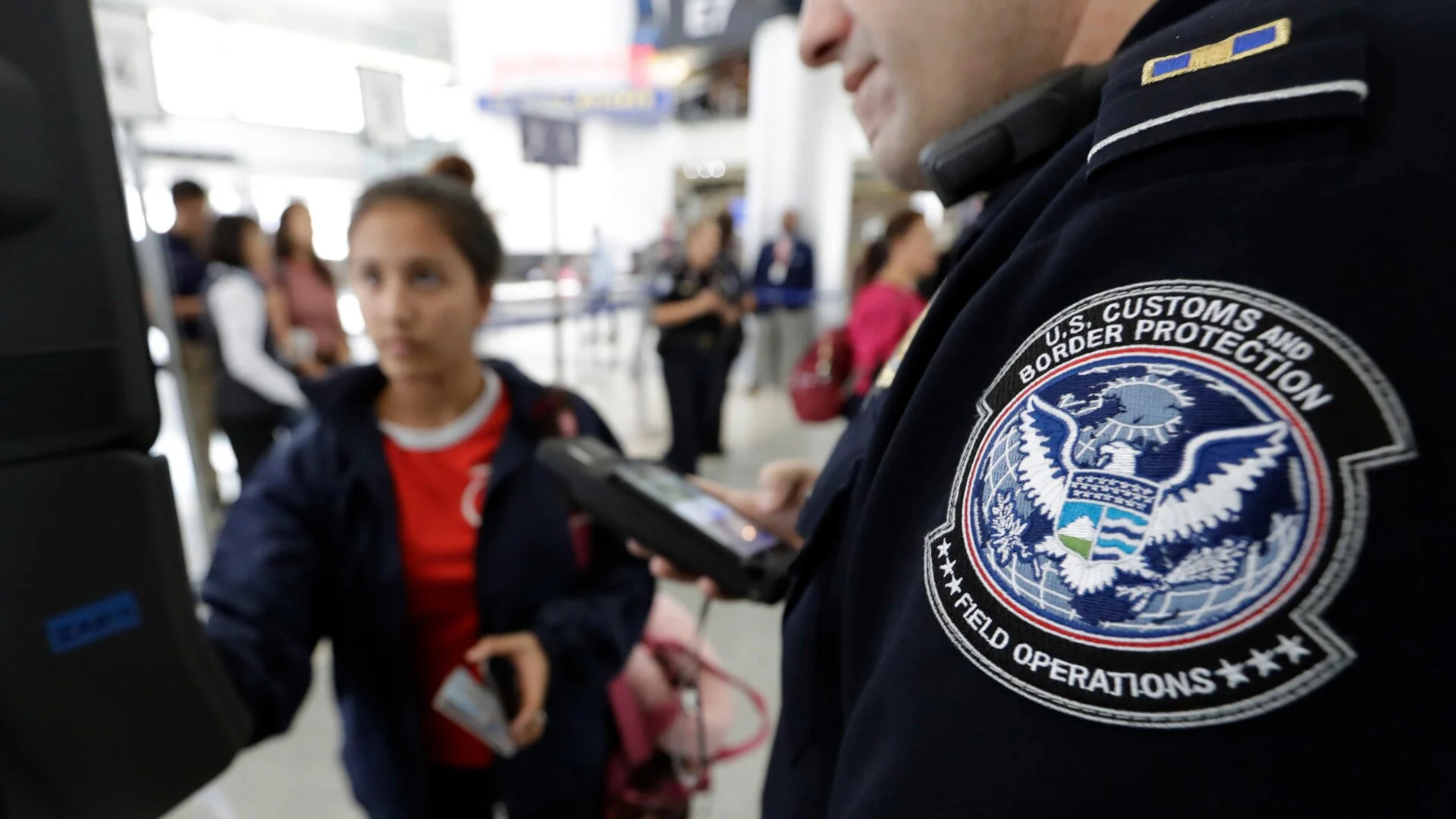
United States border officials are searching international travelers' smartphones and laptops at an accelerating pace this year. According to government data obtained by CBC News and reported by Gizmodo, electronic device inspections conducted by U.S. Customs and Border Protection rose by more than 32 percent during the first nine months of the fiscal year.
Border officers examined 52,080 electronic devices between October 1, 2025, and June 30, 2026, across international airports, land crossings, and preclearance facilities. That volume nearly eclipsed the full-year record set in fiscal year 2025, when agents searched 55,424 devices. The current pace places the agency on track to establish a new annual high by the close of the fiscal cycle.
Federal enforcement records show that the overwhelming majority of these encounters fall under what border authorities designate as basic searches. Of the more than 52,000 devices examined during the nine-month window, 47,517 were classified as basic inspections. Under existing operating procedures, frontline officers can carry out these manual reviews routinely without demonstrating reasonable suspicion of unlawful activity.
During a basic search, agents manually inspect a traveler's phone, tablet, or portable computer while the device is in airplane mode or disconnected from cellular and wireless networks. Officers can demand passcodes and scroll through photos, contact lists, messages, and downloaded files directly stored on hardware. While travelers may object on privacy grounds, foreign visitors who refuse to unlock their hardware risk being denied entry, while citizens can face protracted delays and equipment retention.
By contrast, advanced searches represent a much smaller share of border stops but involve significantly more intrusive technological tools. These deeper forensic examinations require officers to articulate reasonable suspicion of criminal conduct or national security threats, along with formal supervisory authorization. When approved, specialists can connect specialized equipment to extract, copy, and retain digital contents for comprehensive analysis.
The broad latitude granted to border agents stems from long-standing legal interpretations known as the border search exception. Under this framework, constitutional protections that typically require law enforcement to obtain judicial search warrants based on probable cause are significantly narrowed at points of entry. Courts have traditionally afforded the executive branch sweeping authority to safeguard national borders against contraband and illicit entry.
Civil liberties advocates and privacy legal scholars have increasingly challenged this standard as outdated in an era when mobile devices hold vast repositories of personal lives. Unlike physical luggage, modern smartphones carry decades of correspondence, medical records, financial histories, and confidential workplace communications. Rights groups argue that subjecting sensitive personal data to suspicionless inspections conflicts with modern expectations of privacy.
The sharp uptick in device examinations has also sparked concern among international travelers, business executives, and cross-border commuters. Navigating entry checkpoints now increasingly involves legal ambiguities surrounding compelled decryption and digital data exposure. Privacy advisers frequently counsel travelers to minimize data stored locally on travel devices or use dedicated clean hardware when crossing border control.
As fiscal year statistics near completion, civil rights organizations continue to monitor whether legislative proposals or judicial challenges will recalibrate the boundaries of border electronic searches. For now, Customs and Border Protection maintains that digital device screenings represent an indispensable component of border security operations. With inspection volumes mounting, travelers entering the United States will encounter border checkpoints where unlocking personal technology remains an expanding reality of routine processing.
Primary source: Hacker News. Newzly rewrites and structures source reporting for clarity; verify critical details at the original.