People who cannot afford a home alone are buying with strangers
A BBC report describes buyers pooling money with people they do not know in order to purchase a house. The account cites affordability and does not name places or prices.
In this piece
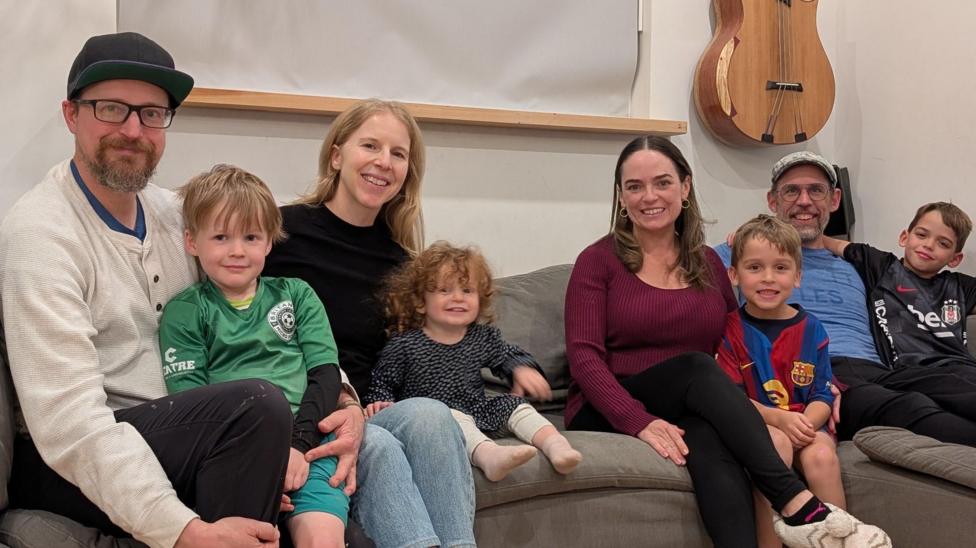
BBC US & Canada reports that people shut out of buying alone are purchasing homes with strangers. The account ties the choice to housing costs and does not name…
People who cannot afford a home on their own are buying with someone they do not know, according to a report from BBC US & Canada. The arrangement lets buyers pool deposits and carrying costs so a purchase that is out of reach for one person becomes possible for a group.
The piece is framed by buyers who say they could not afford a house alone and therefore bought one with strangers. In the material available for this article, the report does not identify the purchasers, the properties, the sale prices, or the cities where the deals closed.
Buying with other people is familiar in a narrower form. Relatives and long-standing friends have often shared a deed, a mortgage, or both. The development described here is the starting point: co-owners who begin as strangers rather than as an existing household, then try to make a legal and domestic arrangement work.
The pressure comes from the housing ladder itself. In many markets, the cash needed for a down payment and the income needed to qualify for a loan have moved beyond what a single salary, and sometimes two, can support. Splitting those hurdles is presented as a practical response to being priced out, rather than as a preference for shared living.
Why the choice matters is less about novelty than about how risk is shared. Each co-owner is tying savings, credit, and housing security to people whose jobs, plans, and tolerance for conflict are not yet proven. A missed payment, a desire to relocate, or a disagreement over repairs can affect everyone whose name is on the title.
The durability of such a purchase often turns on what is written down in advance. Co-owners generally need clear answers on who occupies which space, how utilities and maintenance are divided, how contributions to equity are tracked, and what happens if one person wants to leave. The BBC account does not reproduce those agreements or describe how they were negotiated.
Financing adds another layer of uncertainty. A lender may welcome extra borrowers because combined income can support a loan that one applicant could not carry, and may hesitate if credit files or employment histories do not line up. Local property rules decide how multiple names sit on a title and how a forced sale would work. None of those mechanics are specified in the brief report.
The appeal, as described, is access. People who would otherwise keep renting can hold a stake in a home and share the monthly burden. The exposure is that personal finances are concentrated in a relationship that began without the trust of family or long friendship, and the source material offers little detail on how often those partnerships hold.
Exclusion from ownership can widen the gap between households that build equity and households that pay rent without gaining an asset. Stranger co-buying is one attempt to cross that gap. How widely it is used, and whether it improves buyers' finances over time, is not measured in the report.
What comes next hinges on facts still outside this account: how the homes are occupied, whether any buyer treats the purchase mainly as an investment, and how disputes are resolved when circumstances change. The BBC report presents the practice as a direct answer to prices that shut people out, and leaves the durability of each arrangement to the strangers who signed together.
Primary source: BBC US & Canada. Newzly rewrites and structures source reporting for clarity; verify critical details at the original.