Polluted Air Cannot Be Changed Overnight: 14 Foods to Shield Health Against Smog
With severe air pollution challenging cities across India, health guidance recommends modifying daily diets with antioxidant-rich foods to build an internal biological defense against toxic airborne particles.
In this piece
As toxic air continues to impact respiratory health across Indian urban centers, nutritional advisories emphasize dietary interventions alongside protective…
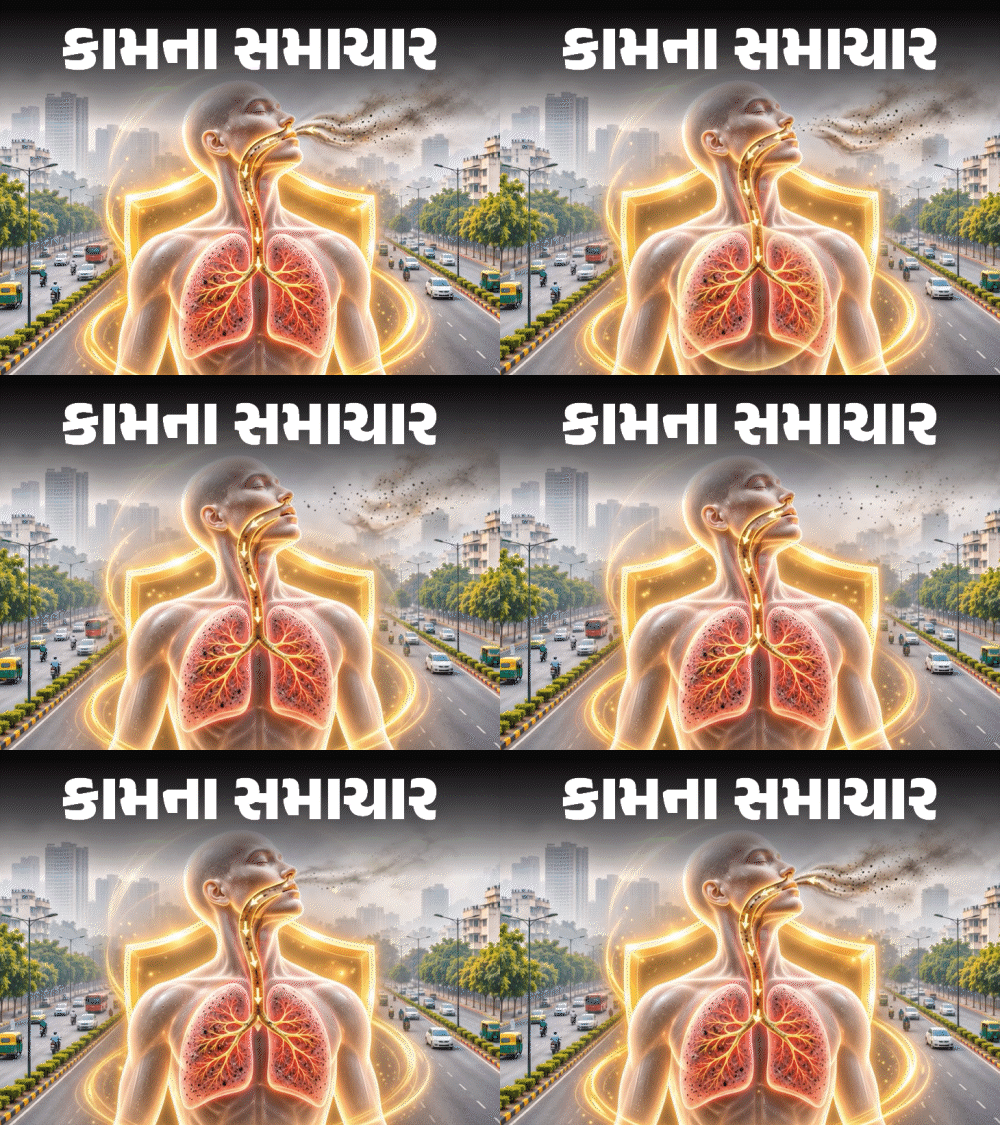
As deteriorating air quality continues to challenge urban centers across India, health professionals and lifestyle advisories are urging citizens to look toward their plates for protection. While systemic reductions in ambient pollution require long-term infrastructure and policy changes, dietary interventions are increasingly framed as an immediate, practical shield against toxic airborne pollutants. According to lifestyle guidance, incorporating up to fourteen nutrient-dense foods into daily meals can bolster the body's internal defenses against smog-induced cellular stress.
Every winter and seasonal transition, metropolitan regions across northern and central India grapple with elevated levels of fine particulate matter, commonly measured as PM2.5 and PM10. These microscopic particles penetrate deep into lung tissues and enter the bloodstream, triggering widespread inflammation and oxidative damage. Because outdoor exposure cannot be eliminated entirely, public health communicators are emphasizing internal wellness strategies alongside conventional physical safeguards such as high-efficiency filtration masks.
The biological rationale behind targeted nutritional intake centers on counteracting oxidative stress. Inhaling high concentrations of toxic air releases free radicals that damage cell membranes and impair respiratory function over time. Consuming foods high in antioxidants, fat-soluble vitamins, and essential minerals helps neutralize these reactive molecules before they cause chronic systemic harm.
Among the most critical dietary components highlighted by nutritionists are foods rich in vitamin C. Potent citrus sources such as amla, also known as Indian gooseberry, alongside lemons, oranges, and guavas, supply concentrated ascorbic acid. This water-soluble nutrient works directly in the lung lining fluid to neutralize inhaled free radicals and maintain robust immune responses.
In parallel, fat-soluble antioxidants such as vitamin E play a foundational role in defending pulmonary cellular structures. Diets supplemented with moderate daily portions of almonds, walnuts, sunflower seeds, and cold-pressed plant oils provide vital lipid protection. These healthy fats ensure that cellular walls remain resilient against corrosive ambient toxins, mitigating deeper tissue irritation.
Dark leafy vegetables and beta-carotene sources form another pillar of anti-pollution dietary regimens. Staples like spinach, fenugreek leaves, carrots, and sweet potatoes contribute rich reserves of provitamin A and chlorophyll, which assist natural metabolic detoxification pathways. Regular consumption of these greens supports mucosal membranes throughout the nasal cavity and upper respiratory tract.
Traditional Indian kitchen staples also feature prominently in everyday respiratory maintenance strategies. Turmeric, rich in the potent anti-inflammatory compound curcumin, helps ease bronchial inflammation and supports lung tissue integrity. Additionally, modest amounts of jaggery, ginger infusions, and holy basil are widely favored for their natural throat-soothing and airway-clearing properties during periods of persistent haze.
Medical experts nevertheless caution that dietary upgrades cannot serve as a standalone cure or an impenetrable barrier against hazardous atmospheric conditions. Proper nutrition strengthens physiological resilience and accelerates cellular repair, but it does not prevent fine particulates from settling into pulmonary airways. Health authorities continue to advise combining dietary discipline with air purifiers, reduced outdoor physical exertion during peak smog hours, and reliable particulate-filtering masks.
As regional air quality metrics fluctuate through seasonal atmospheric inversions, public awareness regarding proactive health management remains paramount. Health advisers maintain that consistent, balanced nutritional habits offer a sustainable baseline of bodily protection for vulnerable populations, including children and older adults. Moving forward, municipal authorities and health organizations are expected to intensify public advisories, bridging environmental policy with everyday preventive wellness measures.
Primary source: Divya Bhaskar Lifestyle. Newzly rewrites and structures source reporting for clarity; verify critical details at the original.