Polygon Highlights 8 Standout Science Fantasy Books of the 21st Century
A new curation from Polygon spotlights eight pivotal twenty-first-century novels that merge futuristic technology with mythic fantasy, tracking the creative evolution of genre-defying speculative literature.
In this piece
Polygon has published a curated guide to the eight best science fantasy books of the twenty-first century. The list celebrates boundary-pushing novels that…
Polygon has published a curated selection highlighting eight of the most notable science fantasy books of the twenty-first century, turning a critical spotlight onto works that dismantle conventional genre boundaries. The retrospective examines how contemporary authors have increasingly merged technological extrapolation with arcane myth to build distinctive literary landscapes. By foregrounding eight standout titles, the publication traces the evolution of modern speculative storytelling across the last two decades.
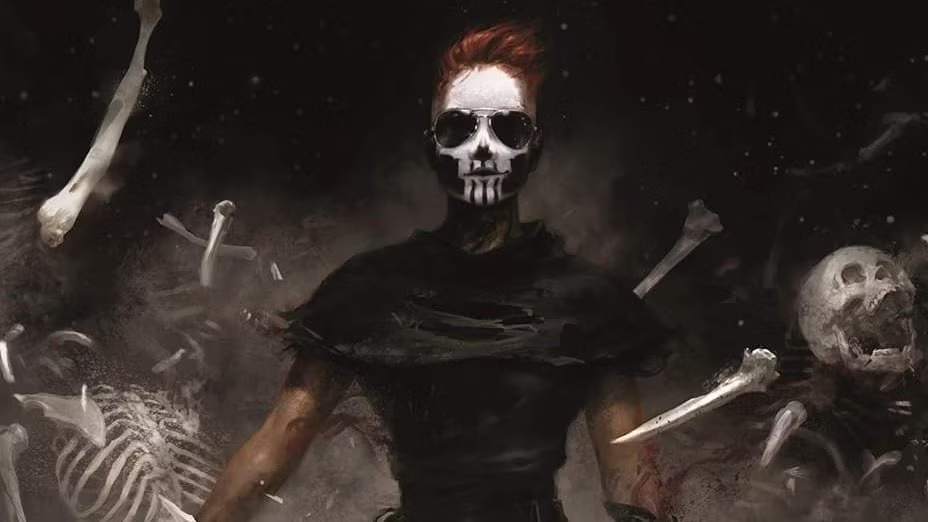
At the heart of the selection is a celebration of unorthodox thematic mashups, exemplified by narratives that incorporate spacefaring necromancers alongside extraterrestrial civilizations utilizing goblin folklore. Such inventive premises illustrate how contemporary authors refuse to adhere to strict categorization, opting instead for daring narrative experimentation. These dynamic combinations challenge readers to reconsider how supernatural forces and advanced interstellar settings can coexist within a unified fictional universe.
Historically, commercial publishing maintained a firm division between science fiction and epic fantasy, treating technological futures and magical realms as separate market sectors. Readers seeking spaceships and cybernetics were typically steered toward hard science fiction, while those interested in ancient prophecies and mystical powers turned to secondary-world fantasy. Over the course of the twenty-first century, however, a growing cadre of authors has systematically dissolved that divide, creating fertile ground for hybrid subgenres.
The emergence of these boundary-defying works reflects a broader philosophical shift in contemporary speculative writing. Rather than treating scientific discipline and mystical traditions as incompatible storytelling elements, modern writers often deploy them in tandem to construct layered worlds. In doing so, these narratives leverage the awe of cosmic exploration alongside the psychological and metaphysical weight traditionally reserved for mythic fables.
Science fantasy offers unique avenues for thematic inquiry that single-genre frameworks sometimes struggle to accommodate. By situating arcane rituals and necrotic arts within deep space, writers can probe complex questions surrounding mortality, institutional control, and existential purpose on an epic scale. Simultaneously, incorporating mythical beings or folkloric archetypes into alien ecosystems provides fresh perspectives on identity, community, and interspecies coexistence.
Industry observers and literary analysts emphasize that this creative cross-pollination has resonated strongly with modern reading communities. Today's speculative fiction audience increasingly values audacious worldbuilding and emotional resonance over strict adherence to rigid technical plausibility. This changing reader preference has encouraged independent presses and major publishing houses alike to invest in daring, cross-disciplinary manuscripts.
Curated selections and editorial recommendations like Polygon's serve a crucial purpose in today's crowded digital literary ecosystem. With thousands of speculative titles released annually across print and digital formats, readers often face significant discovery hurdles when seeking ambitious, non-traditional stories. Focused recommendations help distill decades of releases into manageable, high-impact reading lists that guide both veteran genre fans and newcomers.
The focus on twenty-first-century releases also highlights the sheer volume of artistic innovation that has taken place since the turn of the millennium. The past two decades have seen unprecedented diversification in worldbuilding styles, narrative perspectives, and stylistic experimentation across literary communities worldwide. Polygon's roundup underscores that modern science fantasy is not a fleeting trend, but a defining movement within contemporary literature.
Looking ahead, the ongoing success of genre-bending fiction suggests that the lines separating science fiction, fantasy, and horror will only continue to blur. Writers and editors are actively expanding the parameters of what speculative fiction can encompass, paving the way for even more ambitious literary fusions. As reading habits evolve, selections that celebrate genre boundary-breaking will remain vital touchstones for tracking the trajectory of imaginative writing.
Primary source: Polygon. Newzly rewrites and structures source reporting for clarity; verify critical details at the original.