entertainment·District of Columbia
Polygon revisits 1990s vampire comics by Brennan Lee Mulligan’s mother
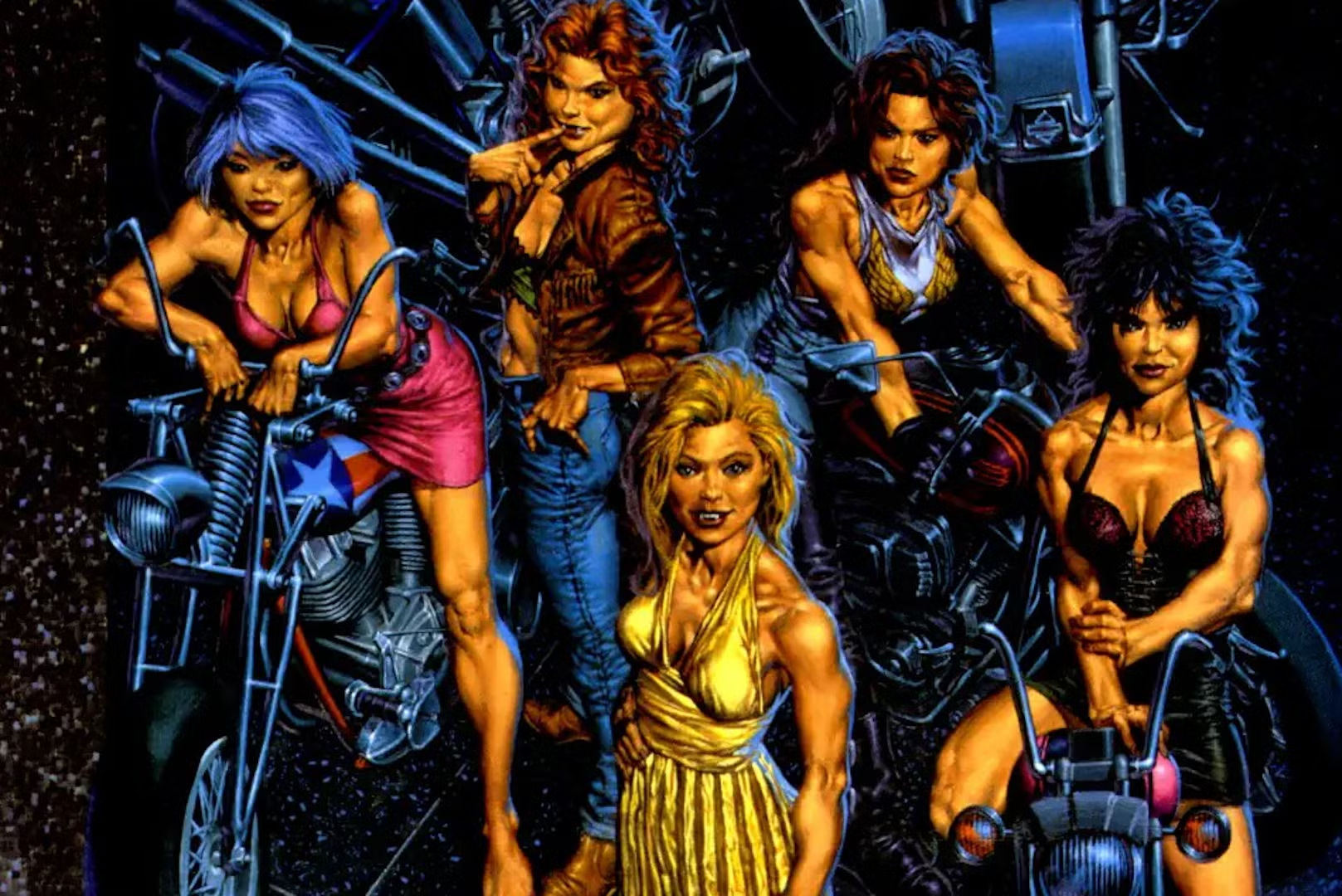
A Polygon feature says Brennan Lee Mulligan’s mother wrote stark vampire comics in the 1990s. The piece is billed with the line “Blood will always tell.”
In this piece
Polygon has published a look at 1990s vampire comics it attributes to Brennan Lee Mulligan’s mother. The headline calls the work depraved, and the URL points to…
Polygon has published a feature on vampire comics written in the 1990s by the mother of Brennan Lee Mulligan. The article is summarized in a single line: “Blood will always tell.” The headline describes the comics as “truly depraved,” wording that belongs to the outlet’s presentation of the story.
The page address includes the path elaine-lee-dc-vertigo-vamps. That slug identifies Elaine Lee, places the work with DC’s Vertigo imprint, and uses Vamps as the title marker. Those are the concrete identifiers in the material at hand, alongside the headline and the five-word summary.
The same material does not include quotations, collaborator credits, page counts, or a month-by-month publishing history. This account does not supply them. Where the source lines stop, claims about plot, sales, or who said what stop with them.
The item is a retrospective, not a launch announcement. Polygon is directing attention to comics from the 1990s rather than reporting a new series, a reprint agreement, or an adaptation. The news value sits in the link between that older work and a name many readers meet first through Mulligan.
Vertigo was DC’s imprint for comics aimed at adult readers, and horror was part of its range in that decade. Vampire stories were also a broad current in film, television, and fiction. A series associated with that imprint and that theme belongs to a recognizable corner of the period, even when a later article treats it as something a new audience should discover.
The headline leads with Mulligan, so the family connection is the hook. Nothing in the lines used here says whether he is quoted, how he has talked about the comics, or whether the piece is mainly criticism, memoir, or an interview. His name is the reason a general reader is invited in.
“Blood will always tell” fits the subject without adding a plot. Blood is the basic currency of vampire fiction. The phrase also suggests inheritance, the notion that a family’s creative life can surface again in public. The summary does not say which reading Polygon favors.
“Depraved” does double duty in the headline. It signals mature or transgressive material and sets the comics apart from all-ages superhero fare. It is a descriptive claim by Polygon, not a publisher’s content rating reprinted here. Readers who want a precise content note have to take that from the full article.
A piece like this can matter because comics memory is uneven. Better-known Vertigo titles stay in circulation, while other horror credits from the same era depend on a fresh article to reach people who were not buying comics then. Attaching Lee’s work to Mulligan’s public name is a route back to the comics, not a substitute for reading them.
Any finer account of the series — scripts, art, publication dates, or how the family story is told — lives in Polygon’s reporting, which is the primary source for those details. This write-up does not add statements from Lee, Mulligan, or DC. None were in the source lines used here.
What happens next is mostly a reading assignment. Readers can follow the Polygon story for interviews or criticism that go past the headline and the slug. A later comment from the creators or the publisher would be a separate development, and it is not established by the material summarized here.
Primary source: Polygon. Newzly rewrites and structures source reporting for clarity; verify critical details at the original.