Polygon spotlights 10 great games without GOTY nominations
Polygon’s selection of 10 great games that never received a Game of the Year nomination highlights the gap between awards recognition and the titles players consider their favorites.
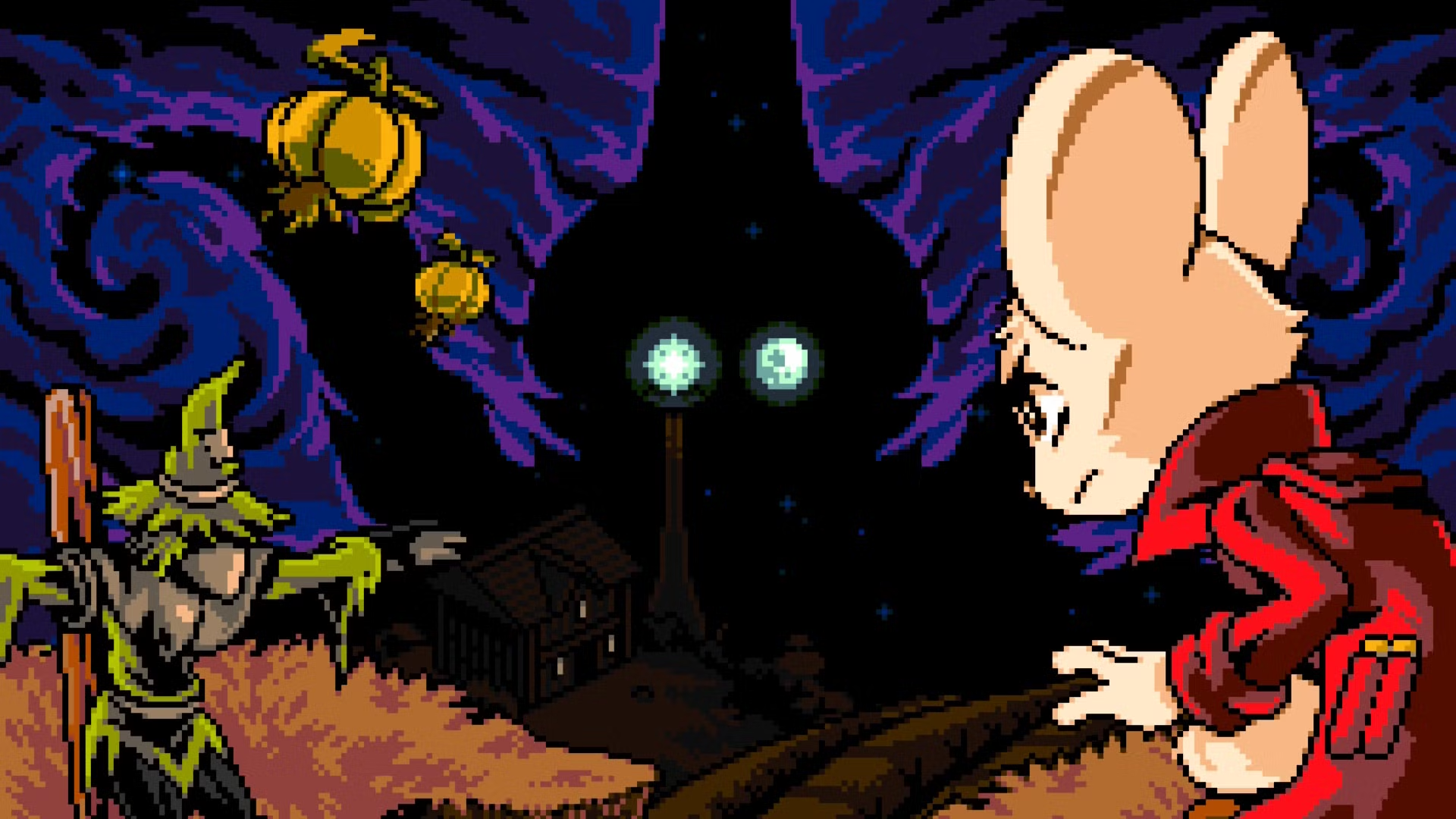
In this piece
Polygon is spotlighting 10 games it considers among the greatest never to receive a Game of the Year nomination. The selection invites a broader look at what…
Polygon is highlighting 10 games it considers among the greatest never to receive a Game of the Year nomination, putting the focus on acclaimed experiences outside the nominee lists. Its accompanying message speaks directly to players disappointed by those selections: “If your favorite game wasn’t nominated, you’re not alone.”
The feature frames the absence of a nomination as a starting point for reconsidering a game’s merits, rather than a final verdict on its quality. Its premise separates two judgments that can easily become conflated: whether a game earns awards recognition and whether it deserves a place among someone’s favorites.
The supplied excerpt does not name the 10 selections, identify the award organization or explain the criteria used to assemble the list. Those limits matter because the headline alone cannot establish which nomination histories were examined, how the games were compared or what qualifies each entry for inclusion.
Game of the Year is a distinction whose meaning depends on the organization making the selection and the scope of its awards. Without that information, Polygon’s headline should not be read as a claim that the featured games received no recognition anywhere, or that they were overlooked in every possible category.
The broader question raised by the feature is how much weight players should give a nomination when deciding what deserves their attention. An awards shortlist can offer a useful point of reference without answering every question about a game’s appeal, its creative strengths or its importance to an individual player.
Calling these games the “greatest” also makes the article an editorial selection, not simply a record of nomination results. Assessing that argument would require the individual entries and Polygon’s explanations for them; the brief description supplied here does not provide enough detail to evaluate why any particular game belongs on the list.
For readers, the useful distinction is between discovering an overlooked favorite and establishing that an awards process made a mistake. A game’s absence from a nominee list does not, by itself, explain why it missed out, and the available material offers no basis for attributing those decisions to judges, eligibility rules or competing releases.
Polygon’s feature ultimately offers an invitation to look beyond Game of the Year nominations when considering which games deserve discussion. The full selection and its supporting arguments are the next pieces readers would need to explore that invitation: the supplied excerpt establishes the theme, but leaves the identities of the 10 games and the case for each undisclosed.
Primary source: Polygon. Newzly rewrites and structures source reporting for clarity; verify critical details at the original.