Post-Diwali Blues and Social Media Comparison Leave Many Grappling With Festive Envy
As festive celebrations wind down, continuous scrolling through curated holiday highlights on platforms like Instagram has left many individuals confronting intense feelings of inadequacy, loneliness, and persistent post-festival blues.
In this piece
The contrast between everyday life and polished social media celebrations has brought renewed attention to post-festival depression and online comparison traps.…
The conclusion of the festive season has triggered a wave of emotional exhaustion and post-celebration melancholy among social media users across India. Many individuals report experiencing sharp feelings of disappointment and personal inadequacy after spending hours scrolling through extravagant festival photographs on digital platforms like Instagram. The widespread visibility of seemingly flawless family gatherings, opulent attire, and vibrant parties has intensified the contrast between online spectacles and everyday life.
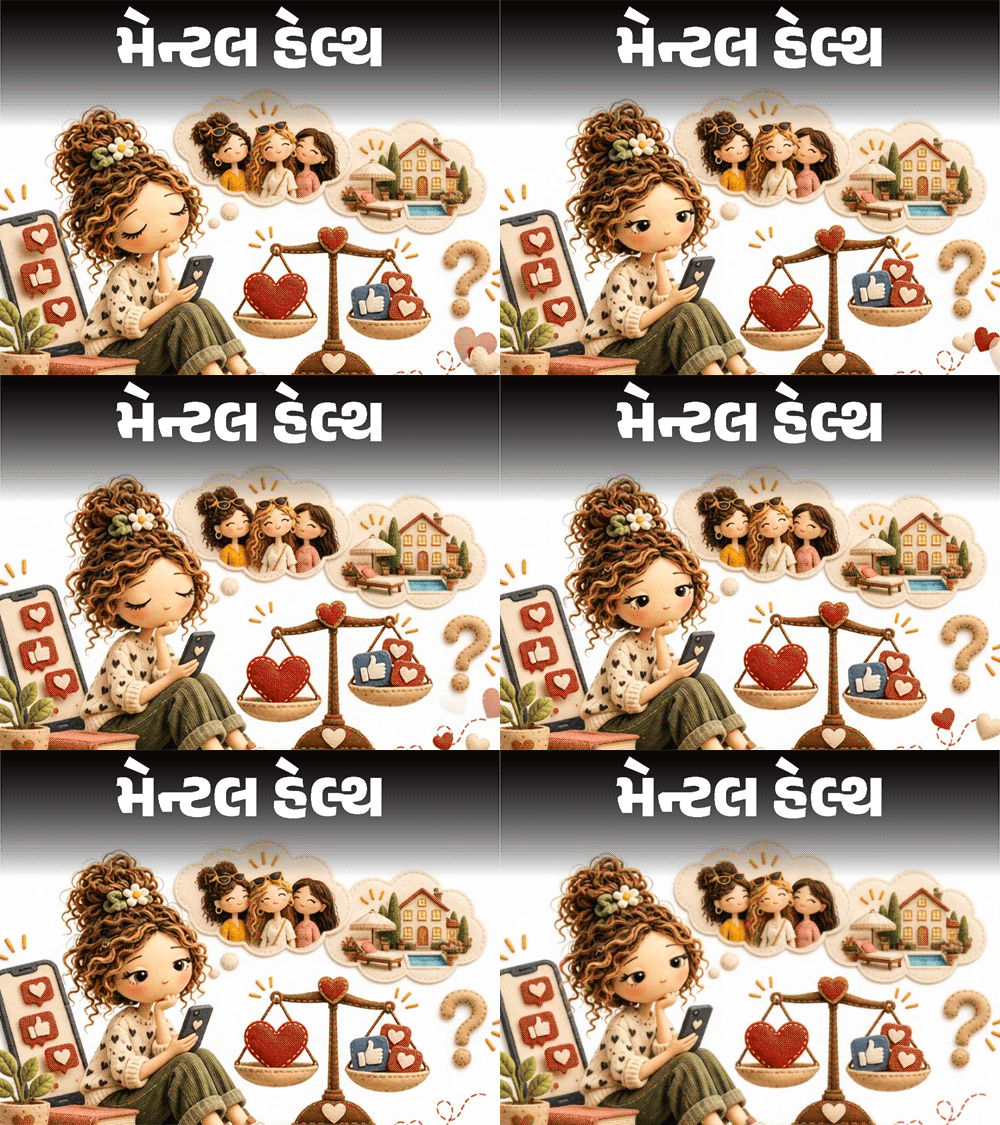
According to lifestyle reporting addressing post-festival distress, this emotional slump frequently stems from the psychological trap of direct comparison. Observers note that users frequently articulate a sense that their own celebrations were dull and unremarkable compared to the dazzling displays shared by friends, influencers, and acquaintances. This persistent sentiment—questioning why one's own Diwali felt subdued while everyone else appeared to enjoy a storybook holiday—has brought festive envy into sharp focus.
The phenomenon reflects a broader pattern in modern digital culture, where festive periods disproportionately amplify the highlight reel effect. Social platforms naturally incentivize users to publish only their most polished, joyful, and visually appealing moments, while filtering out mundane routines, family friction, and personal fatigue. When individuals consume these curated portrayals continuously, they often misinterpret an edited snapshot as an authentic baseline for how a meaningful celebration ought to look.
This dynamic can inflict a notable emotional toll, particularly for those already navigating loneliness, professional stress, or financial limitations during the holidays. Major festivals often carry immense social and cultural expectations to feel consistently joyful and connected. When an individual's lived experience fails to match these heightened standards, the constant influx of cheerful online imagery can deepen feelings of isolation and trigger self-criticism.
Compounding the issue is the natural biological and emotional comedown that typically follows extended holiday periods. After days marked by anticipation, high sensory stimulation, disruption of sleep schedules, and social interactions, the sudden return to routine often creates a pronounced emotional void. When this physiological drop in energy coincides with obsessive retrospective browsing of festive posts, post-holiday sadness can feel particularly acute.
Mental health and wellness commentators emphasize that experiencing a dip in mood following major celebrations is a common and understandable human reaction. Experts in emotional well-being note that social media inherently distorts perspective by presenting collective happiness as effortless and universal. Acknowledging that digital displays rarely reflect behind-the-scenes realities is widely regarded as a critical first step toward breaking the cycle of negative comparison.
To counter the persistent sadness that often follows festive scrolling, wellness advisers frequently recommend establishing intentional digital boundaries. Limiting passive consumption of social media feeds in the immediate aftermath of holidays can significantly reduce exposure to triggering content. Taking temporary breaks from image-heavy platforms or muting accounts that induce feelings of deficiency helps restore emotional equilibrium and prevents prolonged rumination.
Rebuilding a sense of stability also depends on re-engaging with simple, grounding daily habits. Committing to consistent sleep cycles, gentle physical activity, and balanced nutrition can help counteract the physical and mental sluggishness left behind by festive disruptions. Focusing on private, authentic moments of gratitude rather than public displays of celebration enables individuals to find satisfaction outside of digital validation.
As social media continues to shape how personal milestones and cultural festivals are documented, awareness around digital well-being during the holidays is steadily increasing. Conversations surrounding the post-festival emotional slump highlight the growing need for realistic perspectives on holiday joy and mental self-care. Observers suggest that embracing genuine, quiet contentment—and stepping away from the pressure to perform happiness online—remains the most effective antidote to the comparison trap.
Primary source: Divya Bhaskar Lifestyle. Newzly rewrites and structures source reporting for clarity; verify critical details at the original.