Preparations Underway at Thirupparankundram Deepathoon Following Supreme Court Order
Preparations have begun to light the sacred lamp at Thirupparankundram's Deepathoon following a Supreme Court directive mandating the ceremony. The order came alongside the deployment of central security forces and the suspension of local temple trustees.
In this piece
Preparations have commenced for lighting the lamp at the hill-top Deepathoon in Tamil Nadu's Thirupparankundram following strict directives from the Supreme…
Preparations have commenced atop the hill at Thirupparankundram for the lighting of the lamp at the Deepathoon pillar, following a direct mandate from the Supreme Court of India. The apex court designated November 28 for the ceremony to proceed, intervening decisively to ensure the ritual takes place without further obstruction.
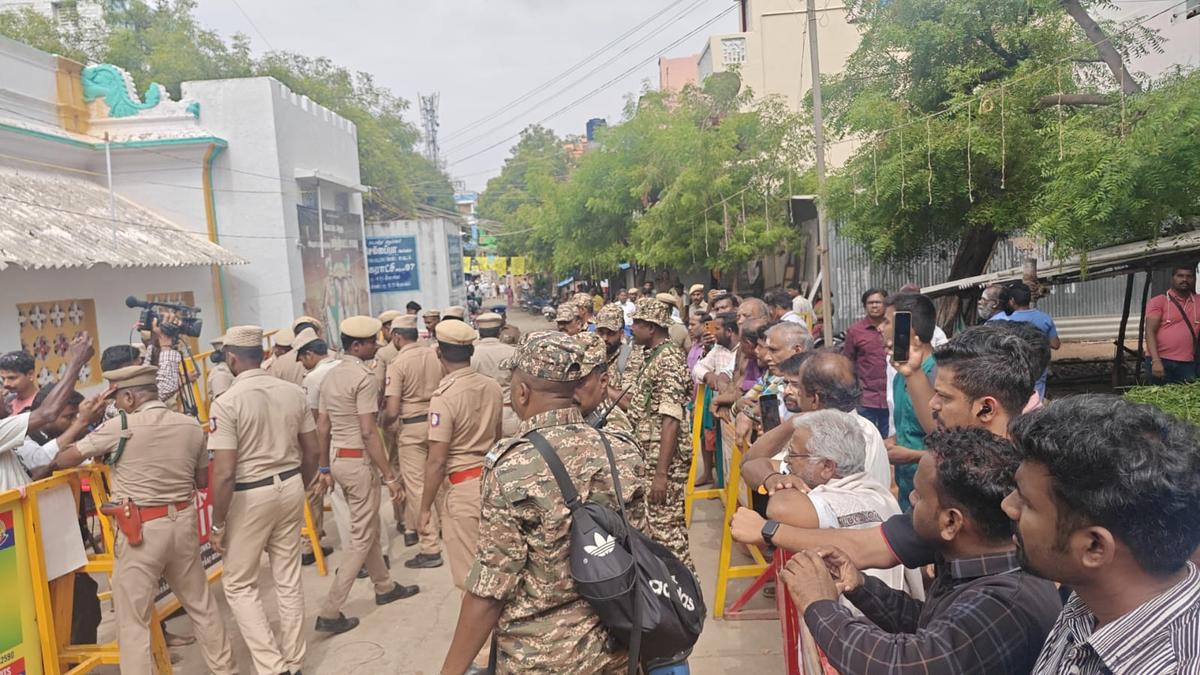
Security around the prominent hill shrine in Tamil Nadu has been substantially heightened to avert any potential breakdown in order. Personnel from the Central Reserve Police Force have been deployed across the area to secure the premises and oversee logistical access to the site as official preparations advance.
The judicial intervention followed sharp criticism from the Supreme Court directed at administrative authorities over delays in implementing previous directives. The court reprimanded official bodies for what it characterized as wilful disobedience, taking the extraordinary step of suspending the temple trustees to facilitate compliance.
The Deepathoon, a traditional stone pillar situated on the hill, has stood at the center of an escalating dispute regarding ritual rights and regional administration. Disagreements over the lighting of the deepam have generated extensive friction between religious stakeholders, administrative boards, and law enforcement agencies.
Judicial scrutiny intensified as administrative non-compliance repeatedly stalled scheduled observances. By setting a strict, binding date and enlisting federal paramilitary forces, the apex court sought to override local bureaucratic inertia and enforce its constitutional authority over the religious site.
The court ruling has simultaneously triggered significant political resistance across regional coalitions. Notable political figures, including Vaiko, alongside leaders from the Congress party, have voiced explicit opposition to the judicial directive, arguing that established local sensibilities and administrative consensus should be respected.
The controversy has also placed heightened pressure on state governance and political alliances navigating sensitive cultural mandates. Observers note that balancing judicial mandates against regional political pressures presents complex governance challenges, particularly when sacred traditions intersect with inter-community harmony.
The developments at Thirupparankundram highlight the delicate relationship between judicial enforcement and traditional temple administration across southern India. The direct suspension of temple trustees and reliance on central forces underscores how administrative deadlocks can rapidly escalate into high-stakes constitutional questions.
As the scheduled ceremony approaches on the hill, administrative teams and central security units remain on high alert throughout Thirupparankundram. Observers and local authorities are watching closely to see whether the ordered lighting concludes peacefully and how subsequent legal challenges will address the status of the suspended temple trust.
Primary source: Google News India. Newzly rewrites and structures source reporting for clarity; verify critical details at the original.