world·Tamil Nadu·Chennai District
Proposal Seeks Tamil Nadu Medical Scholarships for Sri Lankan Students
Tamil Nadu health officials and Sri Lankan diplomats have opened talks on a shared-cost scholarship proposal that would enable Sri Lankan students to pursue undergraduate and postgraduate medical training in the southern Indian state.
In this piece
Sri Lanka and Tamil Nadu are discussing a proposal to offer medical scholarships to Sri Lankan students under a 50:50 cost-sharing model. The initiative,…
A new diplomatic proposal could open doors for Sri Lankan students to pursue medical education in Tamil Nadu under a collaborative framework. State officials and Sri Lankan representatives met recently to deliberate on establishing institutional pathways for foreign medical aspirants in the state's medical colleges. The initiative represents a renewed effort to bolster cross-border educational diplomacy and regional healthcare collaboration.
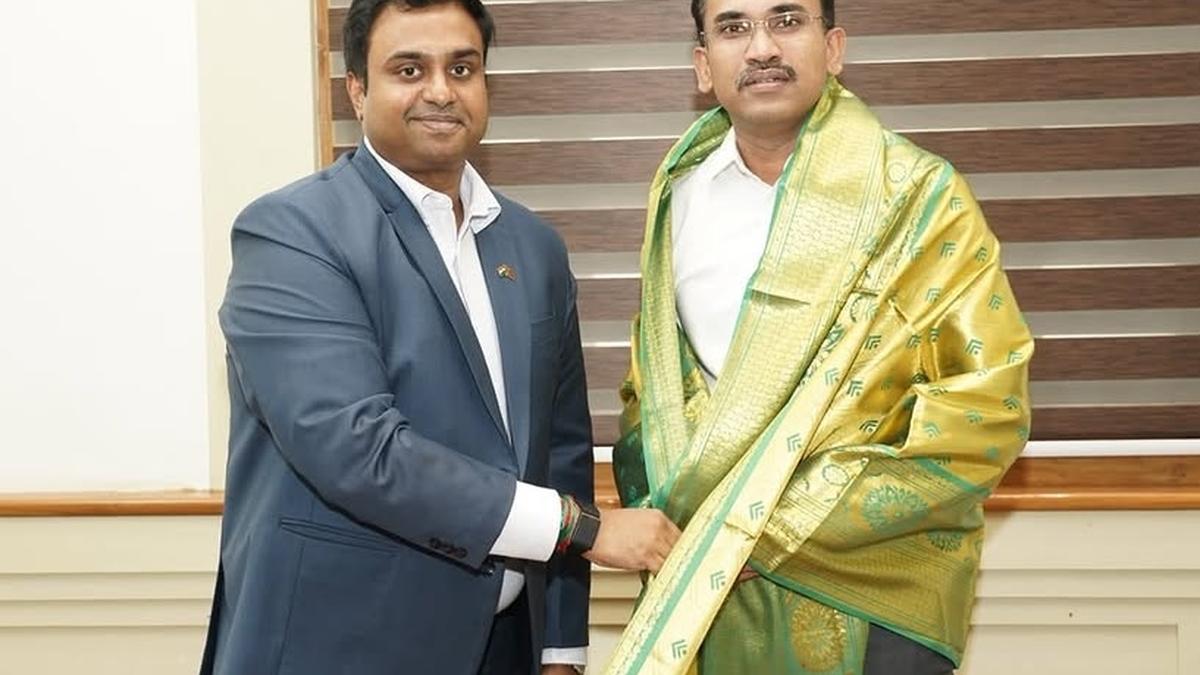
The discussions took place during a formal meeting between Sri Lanka's Deputy High Commissioner in Chennai, Dr. Ganesanathan Geathiswaran, and Tamil Nadu Minister for Health, Medical Education, and Family Welfare K.G. Arunraj. Both sides focused on identifying practical mechanisms to facilitate academic admissions and structured training programs. The engagement highlighted a mutual interest in expanding bilateral cooperation across higher education and clinical sectors.
At the core of the proposal is a 50:50 scholarship model designed to distribute financial responsibilities evenly between participating parties. Under the proposed arrangement, the Government of Tamil Nadu and the respective host universities would share the cost of tuition and related educational expenses. This shared funding mechanism is intended to ease the financial burden on students while maintaining institutional viability.
Beyond undergraduate admissions, the talks addressed comprehensive student and trainee exchange programs between the two neighboring territories. The proposed framework envisions opportunities for medical undergraduates to undertake specialized clinical rotations in Tamil Nadu's teaching hospitals. Postgraduate trainees could also gain exposure to advanced tertiary healthcare practices through designated observer programs and clinical residencies.
The plan also explores direct institutional partnerships between accredited medical colleges in Sri Lanka and prominent state-run institutions in Tamil Nadu. Such linkages are expected to encourage joint research activities, faculty exchanges, and knowledge sharing in community medicine and public health administration. Officials noted that these academic bridges would help align training standards and improve clinical competencies on both sides of the Palk Strait.
During the dialogue, officials recalled the historical ties that have long connected Tamil Nadu with Sri Lanka's student community. Similar educational support initiatives had previously been extended during the administration of former Tamil Nadu Chief Minister M.G. Ramachandran. Reviving structured scholarship programs was viewed as a natural progression of these enduring regional relationships.
The proposal comes at a time when access to affordable, high-quality medical education remains a significant priority for Sri Lankan students seeking international qualifications. Tamil Nadu's public and private medical colleges possess an established reputation for clinical volume and rigorous academic curricula. Establishing clear, government-backed channels could provide students with transparent admission pathways and accredited qualifications.
Strengthening educational corridors also holds broader diplomatic significance for India's neighborhood relations and capacity-building partnerships. By leveraging the state's extensive medical infrastructure, Tamil Nadu continues to position itself as a major healthcare and educational hub for South Asia. Health diplomacy through student training often translates into long-term professional networks that benefit regional public health systems.
As part of the ongoing engagement, Dr. Geathiswaran extended a formal invitation to Minister Arunraj to undertake an official visit to Sri Lanka. The prospective visit would allow state health authorities to engage directly with Sri Lankan university leaders and healthcare administrators. Such on-the-ground interactions are intended to help refine the parameters of the proposed educational agreements.
While both parties have expressed strong support for the concept, the proposal remains subject to administrative reviews and formal policy approvals before it can take effect. Regulatory authorities and participating universities will need to establish specific eligibility criteria, seat allocations, and screening protocols. Further intergovernmental discussions are expected in the coming months to work out operational guidelines.
Primary source: Google News Tamil Nadu. Newzly rewrites and structures source reporting for clarity; verify critical details at the original.