Race to Replant Five Ancient Baobabs in South Africa After Export to Georgia Blocked
Conservationists in South Africa are racing to replant five centuries-old baobab trees at a nature reserve after authorities blocked an unauthorized shipment bound for a buyer in Georgia.
In this piece
South African environmentalists are working to save five centuries-old baobabs after their illegal export to Georgia was halted. The 20-tonne trees, which spent…
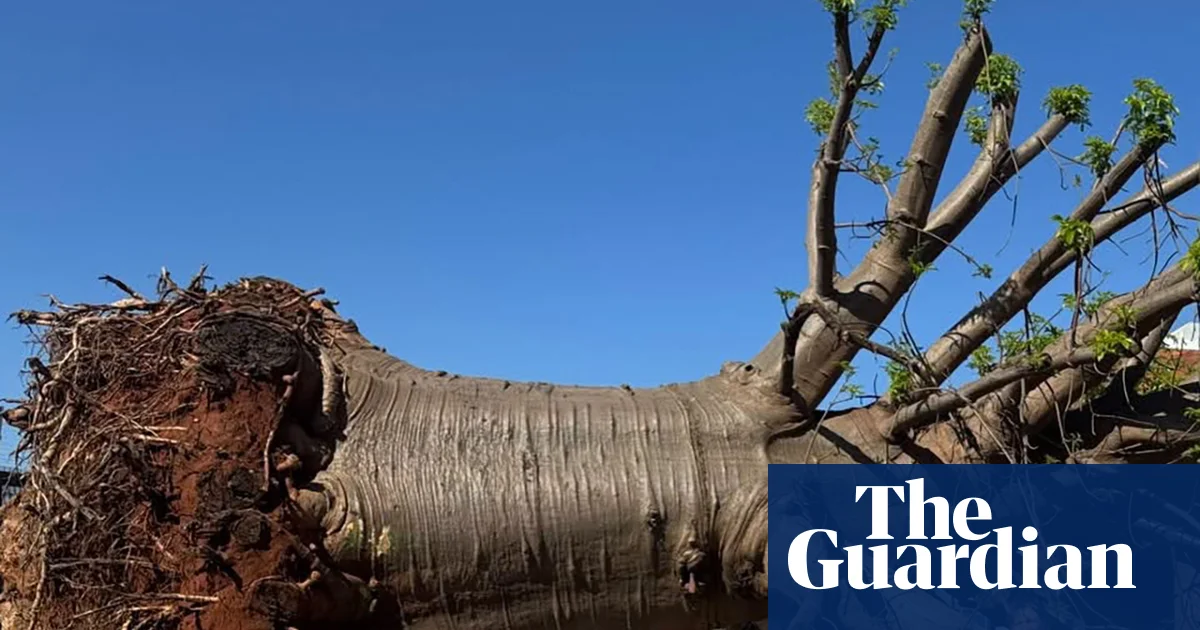
Environmentalists in South Africa are working urgently to replant five centuries-old baobab trees after an illicit export attempt was thwarted by authorities. The massive specimens, each weighing approximately 20 tonnes, were reportedly excavated without the required regulatory permits and earmarked for shipment to an unnamed buyer in Georgia.
The rescued trees arrived on Wednesday at a nature reserve in Timbavati, located in north-eastern South Africa, marking the beginning of an intensive recovery process. Specialist teams are now preparing to place the colossal baobabs back into the ground and secure them with heavy-duty support cables while their root systems attempt to re-establish.
The repatriation follows a months-long standoff that began at the coastal port city of Durban, where authorities intercepted the shipment in July. Officials discovered that the trees had been moved without the mandatory legal permissions, leaving the ancient specimens stranded inside a Durban commercial warehouse for several months.
Spending months confined in an industrial holding space presents severe physiological stress for mature, living trees adapted to arid savanna ecosystems. Conservation specialists face significant hurdles, as prolonged displacement from natural soil and appropriate climate conditions can compromise a tree's vitality and complicate rooting prospects.
Transporting five 20-tonne baobabs from the coast back to the interior represents an extraordinary logistical undertaking. Heavy machinery and flatbed carriers were required to safely navigate South African roadways and deliver the fragile, centuries-old giants across hundreds of miles to their new sanctuary.
Baobab trees are renowned across the African continent for their longevity, distinctive wide silhouettes, and essential ecological roles. Centuries of slow growth make these specimens practically irreplaceable in the wild, providing critical habitat, shelter, and nutrient cycling for diverse regional wildlife.
The incident highlights the intensifying pressures on indigenous flora from international collectors seeking mature specimen trees for private estates or development projects abroad. Domestic conservation laws and cross-border trade controls are designed to protect such heritage plants, requiring strict environmental impact reviews and formal permits before any excavation can occur.
At the Timbavati reserve, the immediate focus remains on stabilization and specialized post-transplant care. Securing the multi-tonne trunks with structural cables is intended to counter wind loading and ground shifts, giving the delicate root zones the stability needed to take hold in the regional soil.
Key details surrounding the operation remain under scrutiny, including the specific identities of the local exporter and the prospective recipient in Georgia. Authorities have not yet publicly detailed whether formal criminal charges or financial penalties will follow the interception of the unauthorized shipment.
For now, conservationists are monitoring the newly placed trees closely to detect early signs of revival or stress. While the journey from a warehouse floor to a protected reserve marks a major relief, the true measure of success will depend on whether these ancient giants can survive the trauma of excavation and thrive in their new home.
Primary source: The Guardian World. Newzly rewrites and structures source reporting for clarity; verify critical details at the original.