Rajasthan Police Identify 28 Pakistani Handlers in Drone Smuggling Network
Rajasthan Police have identified 28 Pakistan-based handlers directing cross-border drone operations to smuggle drugs and arms into India, initiating dossiers for central security agencies while probing local land accomplices.
In this piece
Rajasthan Police have identified 28 Pakistani handlers orchestrating drone smuggling networks carrying narcotics and weapons into border districts. Dossiers on…
Rajasthan Police have identified 28 Pakistan-based handlers orchestrating a sophisticated cross-border drone smuggling network delivering narcotics, weapons, and ammunition into India. The identification marks a significant pivot in anti-smuggling operations along the international border from intercepting couriers to dismantling trans-border syndicates.
The identified operatives are based in Lahore and other nearby sectors across the border in Pakistan, directing low-flying unmanned aerial vehicles across the fenced frontier. State security officials have documented key figures within the network, including individuals operating under aliases such as Ali Maruf alias Dogar, Yakub, Shah Chacha, Umar Chacha, Cheeta, and Billa Jatta.
The cases mapping the cross-border conduit emerged from extensive investigations coordinated across multiple frontier jurisdictions, including Bikaner, Sriganganagar, and Hanumangarh districts. In recent months, these districts have recorded an uptick in drone incursions attempting to drop contraband into rural agricultural belts under the cover of night.
For years, law enforcement along the western border focused primarily on seizing individual consignments of heroin or intercepting local couriers tasked with retrieving payloads from drop sites. However, intelligence gathered from interrogations and digital forensics recovered from intercepted drones prompted investigators to trace the broader supply chain back to handlers stationed in Pakistan.
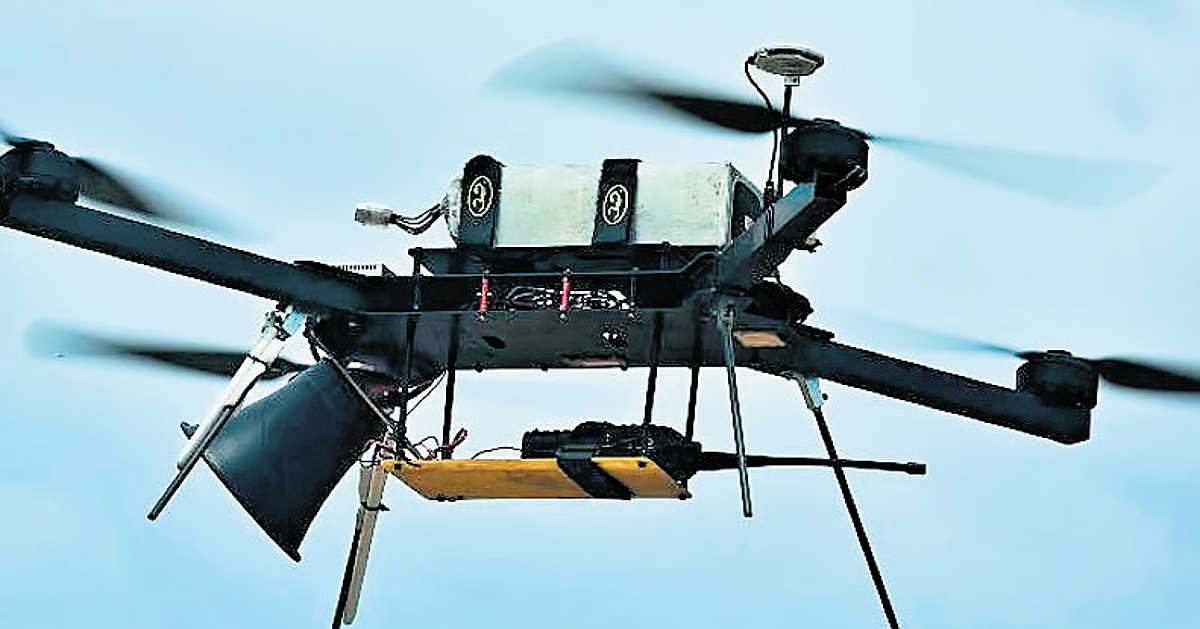
Investigators found that the syndicates have increasingly relied on commercial and customized unmanned aerial vehicles to circumvent ground fencing and border patrols. These drones are deployed across sensitive boundary stretches to deliver illicit shipments comprising commercial-grade narcotics, automatic weapons, ammunition clips, and explosive materials directly into designated target coordinates.
As part of the widening investigation, Rajasthan Police are preparing detailed dossiers on all 28 identified Pakistani handlers. These comprehensive files are slated to be shared with central intelligence and security agencies, assisting national security apparatuses in tracking cross-border financial links and establishing coordinated diplomatic and operational countermeasures.
Simultaneously, state authorities have turned their attention toward domestic facilitators who provide crucial logistical support on the Indian side of the border. Investigators are probing several local landowners whose agricultural fields were repeatedly utilized as pre-designated landing and drop zones for drone-carried consignments.
Police officials are working to establish whether these farm owners acted as knowing collaborators by providing safe drop coordinates or whether their properties were targeted without their knowledge. Law enforcement agencies have indicated that property owners found willfully assisting the smuggling racket will face strict prosecution as active conspirators in narco-terrorism networks.
Under ongoing legal reviews, state authorities intend to initiate statutory proceedings against any landowners confirmed to have harbored or facilitated these operations. Proven complicity could lead to the confiscation and forfeiture of their farmlands, with the seized properties transferred to government ownership under applicable anti-smuggling and national security legislation.
Security analysts note that the shift toward tracking foreign controllers reflects the growing challenge of technology-driven narco-smuggling along India’s northern and western borders. By compiling actionable evidence against foreign controllers and penalizing local facilitators, authorities aim to disrupt the financial incentives and logistical corridors that sustain cross-border contraband networks.
Primary source: Google News Rajasthan. Newzly rewrites and structures source reporting for clarity; verify critical details at the original.