Ram-Krishna dispute exposes divisions among religious figures, Bhaskar headline says
A Divya Bhaskar headline frames a dispute involving Ram and Krishna as a clash among religious figures, while questioning its implications for the BJP’s politics around Mathura.
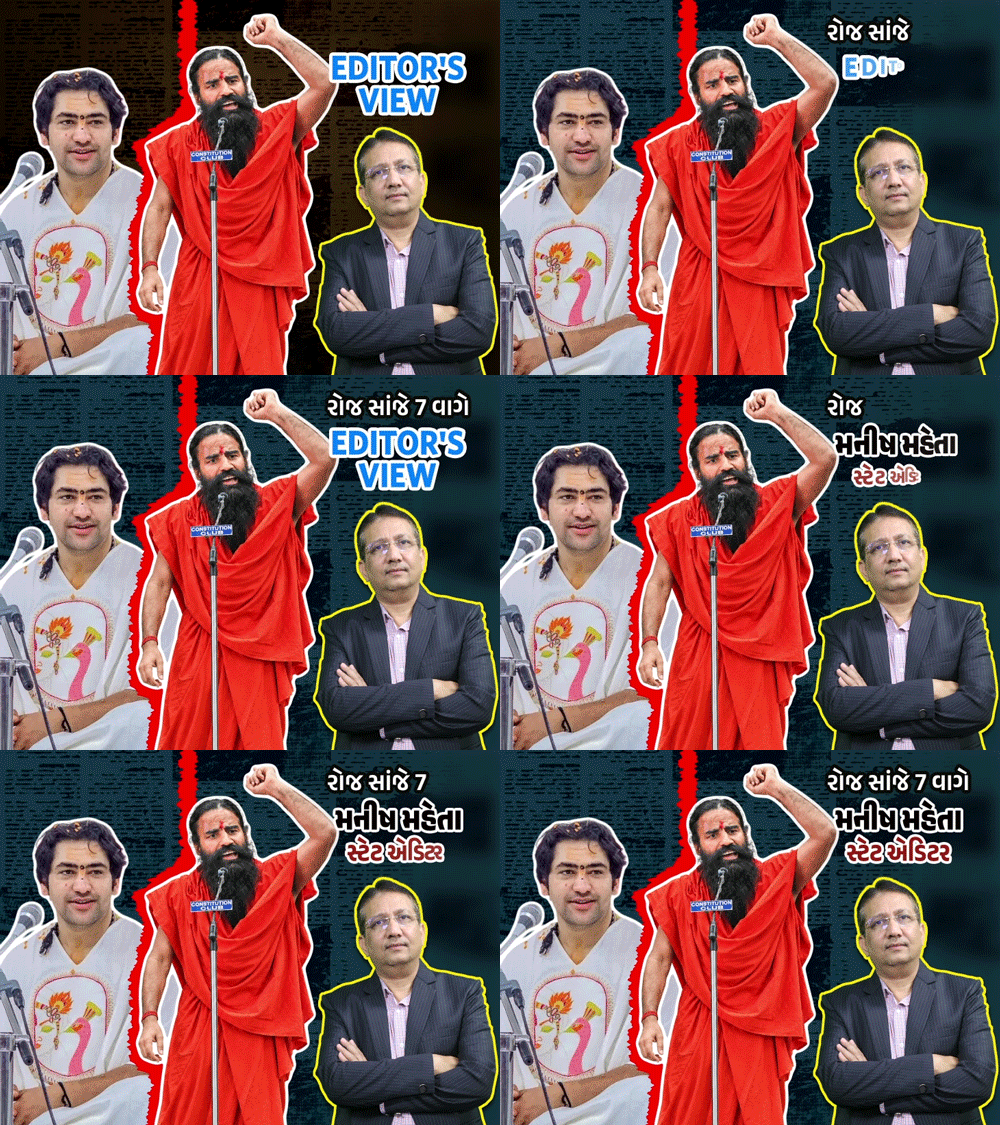
In this piece
Divya Bhaskar’s headline describes divisions among religious figures over a Ram-Krishna controversy and raises questions about the BJP’s Mathura strategy. The…
A dispute involving Ram and Krishna has become a confrontation among religious figures, according to a headline published by Divya Bhaskar. The headline also raises the question of whether the controversy has complicated the Bharatiya Janata Party’s political strategy around Mathura, although the supplied material does not establish such an impact.
The Gujarati-language headline presents the episode in sharply critical terms, referring to hypocrisy and eccentricity in religion and describing a struggle among religious leaders. Those descriptions belong to the publication’s framing; they are not independently established characterizations of any participant or evidence of wrongdoing.
The supplied article address identifies Baba Ramdev and Dhirendra Shastri as subjects of the coverage and connects the controversy with Uttar Pradesh politics in 2027. However, an article address alone cannot establish what either figure said, whether they directly challenged each other, or the sequence in which the disagreement developed.
No article text or substantive summary accompanied the headline. Consequently, the available material does not identify the original statement that prompted the controversy, provide a transcript or recording, or explain precisely how references to Ram and Krishna became a point of disagreement among the religious figures discussed.
The political dimension is similarly presented as a question rather than demonstrated through supporting evidence. The headline asks how the BJP’s Mathura strategy was disrupted, but the supplied material contains no party statement, description of a specific political initiative, or documented response showing that plans changed because of the dispute.
That distinction matters when assessing a story connecting religious authority with electoral politics. A public disagreement, reactions among religious figures and a measurable consequence for a political party are separate claims, each requiring evidence. The headline brings those themes together, but it does not supply enough information to establish a causal relationship between them.
The language also signals an interpretive account promising an inside look at the confrontation, rather than simply announcing a single verified development. Without the underlying reporting, readers cannot assess which elements rest on public remarks, which reflect the publication’s analysis, and whether those criticized were offered an opportunity to respond.
The central unresolved questions are what was actually said, how the named figures responded and what evidence supports the suggested consequences for the BJP. The full report and any underlying statements would be needed to answer those questions. On the supplied material alone, the defensible conclusion is limited: Divya Bhaskar has framed a religious controversy as a potential political complication, not established its electoral effects.
Primary source: Divya Bhaskar Original. Newzly rewrites and structures source reporting for clarity; verify critical details at the original.