Ram-Krishna Row Sparks War of Words Among Seers, Complicating Mathura Political Calculations
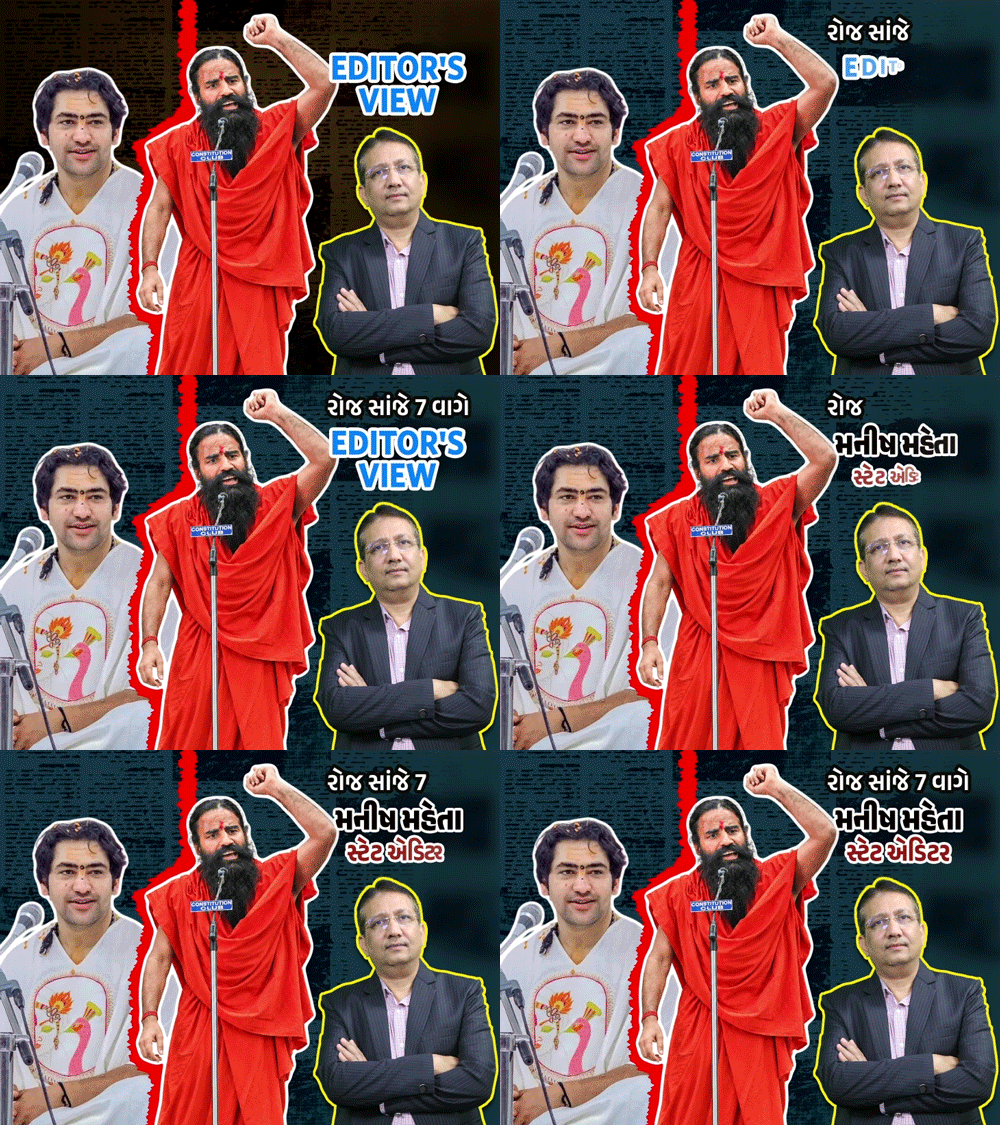
A sharp verbal clash between yoga guru Baba Ramdev and Bageshwar Dham head Dhirendra Krishna Shastri over depictions of Lord Ram and Lord Krishna has triggered unease among Hindu seers and complicated the political narrative surrounding Mathura.
In this piece
A war of words between Baba Ramdev and Dhirendra Krishna Shastri over theological comparisons between Lord Ram and Lord Krishna has ignited widespread debate…
A public war of words between prominent spiritual figures Baba Ramdev and Bageshwar Dham head Dhirendra Krishna Shastri has exposed emerging fault lines within the Hindu religious fraternity. The controversy erupted after remarks drawing theological distinctions and comparisons between Lord Ram and Lord Krishna prompted sharp rebukes from the yoga guru. Ramdev openly criticized what he characterized as hypocrisy, superstition, and theological ignorance among certain modern preachers, igniting an intense debate across northern India.
Speaking at a public gathering, Ramdev launched an unsparing critique against seers who he claimed mislead devotees without a deep understanding of ancient Vedic scriptures. He emphasized that attempting to rank or contrast divine avatars within Sanatan Dharma undermines fundamental traditional tenets and sows unwarranted confusion among the faithful. While initially refraining from naming individuals directly, his pointed remarks targeting miracle claims and theatrical spiritual assemblies were widely interpreted as aimed at Shastri's high-profile gatherings.
Dhirendra Krishna Shastri, the charismatic and polarizing chief of the Bageshwar Dham pilgrimage site in Madhya Pradesh, has drawn massive crowds through his televised assemblies known as divya darbars. The clash between the two high-profile figures surprised observers, particularly because both had shared a cordial stage together only days earlier at an event in Uttar Pradesh. Their abrupt public disagreement quickly reverberated across social media platforms and television broadcasts, drawing commentary from numerous religious bodies.
In response to the public reprimand, Shastri adopted a notably conciliatory stance aimed at preventing further escalation among supporters. He publicly addressed Ramdev as an elder and a mentor, framing the yoga guru's criticism as a parental reprimand rather than an adversarial confrontation. Shastri maintained that guidance from senior figures in the spiritual community served as an essential check and should be received as a form of blessing.
Recognizing the potential for prolonged factional friction among their massive follower bases, the two spiritual leaders subsequently engaged in direct telephone communication. Following the conversation, both sides indicated that misunderstandings had been addressed and urged their respective followers to exercise restraint. Ramdev later clarified that his principal concern remained the preservation of scriptural fidelity, emphasizing that he viewed Shastri with fraternal affection rather than hostility.
Despite the overtures toward reconciliation, political analysts note that the public dispute has cast an unexpected shadow over broader socio-political strategies in Uttar Pradesh. The friction touches upon sensitive religious imagery closely tied to Mathura, where legal and cultural campaigns regarding the Krishna Janmabhoomi complex have gained steady momentum. Internal divisions over how deities are invoked and interpreted risk complicating efforts to maintain a cohesive cultural front ahead of the 2027 state assembly elections.
The ruling Bharatiya Janata Party has long relied on spiritual consolidation across Uttar Pradesh to anchor its electoral dominance, particularly through landmark cultural revival initiatives. A fractured religious discourse, in which revered leaders question each other's credentials and doctrinal legitimacy, presents an unwelcome distraction for political strategists seeking to build momentum around Mathura. Observers suggest that unresolved tensions among influential preachers could dilute unified messaging on cultural issues when appealing to diverse regional demographics.
The episode has also prompted soul-searching among established monastic orders and religious councils regarding the commercialization of faith. Traditional scholars have expressed growing frustration with sensationalist claims, miracle demonstrations, and populist theological rhetoric that dominate digital media. Several senior seers have reiterated calls for religious leaders to adhere strictly to classical philosophical discourses rather than staging dramatic spectacles that divide believers.
Moving forward, key religious figures and political observers will be watching closely to see whether the uneasy truce between the two influential spiritual leaders endures. As Uttar Pradesh inches closer to its next electoral cycle, regional political managers are expected to quietly encourage unity among prominent seers to prevent sectarian discord. While direct hostilities have been officially paused, the episode underscores how delicate the balance remains when modern celebrity, ancient theology, and regional electoral ambitions intersect.
Primary source: Divya Bhaskar Original. Newzly rewrites and structures source reporting for clarity; verify critical details at the original.